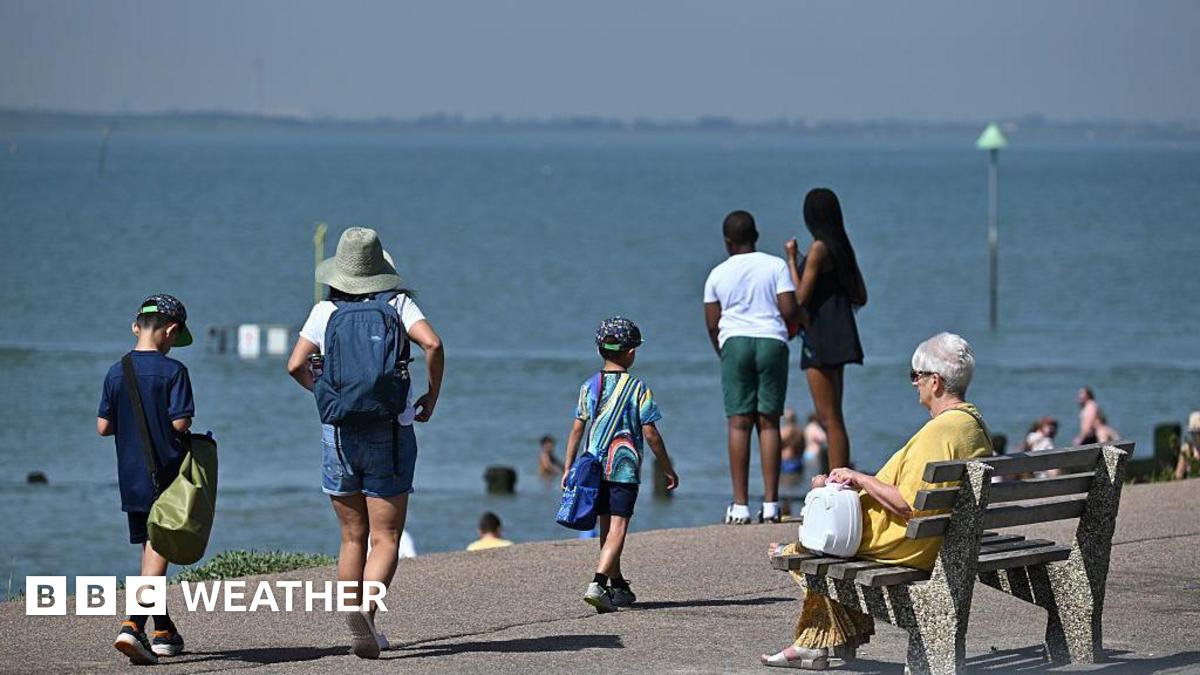
The article says record-breaking UK temperatures hit 35.1C in May, with some locations warming by up to 10C in just two days, and highlights that hot spells may be becoming more intense and more dangerous. It points to faster warming of extreme temperatures, drier soils, shifting wind patterns, and more frequent marine heatwaves as possible drivers. The broader implication is rising heat-related health risk, including a cited estimate of about 24,000 heatwave deaths across Europe in summer 2025.
The important market implication is not just higher average temperatures, but a steeper path from benign conditions to stress events. That compresses decision windows for utilities, transport operators, employers, and insurers: the first 48-72 hours of a heat spike likely carry disproportionate incident risk, while the economic damage is front-loaded into absenteeism, service outages, and emergency response costs. In other words, the volatility of realized weather matters more than the mean, which favors businesses with flexible operating models and hurts asset-heavy operators with fixed staffing or cooling requirements.
The second-order winner is not only adaptation spending, but also “temperature duration optionality” — refrigeration, HVAC, grid balancing, backup power, water efficiency, and health-monitoring services. The underappreciated loser is margin-sensitive consumer discretionary: short-notice heat shocks tend to shift spend toward essentials and away from outdoor/leisure categories, while also lifting working-capital pressure for food, beverage, and cold-chain logistics. For insurers and reinsurers, the more relevant risk is accumulation from correlated claims: heat-related health claims, crop stress, and localized infrastructure failures can stack inside the same event window, raising loss ratios even if headline heatwave frequency is only modestly higher.
The contrarian point is that “heat spikes” may not be proving a new climate regime so much as a new observability regime. Better monitoring, more media coverage, and lower acclimatization tolerance may be making the same weather pattern more economically disruptive, which means the trade is on adaptation capex and pricing power rather than on a simplistic short climate thesis. The catalyst horizon is days-to-months for acute demand surges, but years for structural repricing of risk models, municipal spending, and corporate capex plans. If the next summer is merely warm rather than spiky, some of the urgency premium will fade; if marine heat and blocking patterns recur, the market will likely re-rate “resilience” as a recurring earnings driver rather than an ESG talking point.
AI-powered research, real-time alerts, and portfolio analytics for institutional investors.
Request TrialOverall Sentiment
mildly negative
Sentiment Score
-0.15
