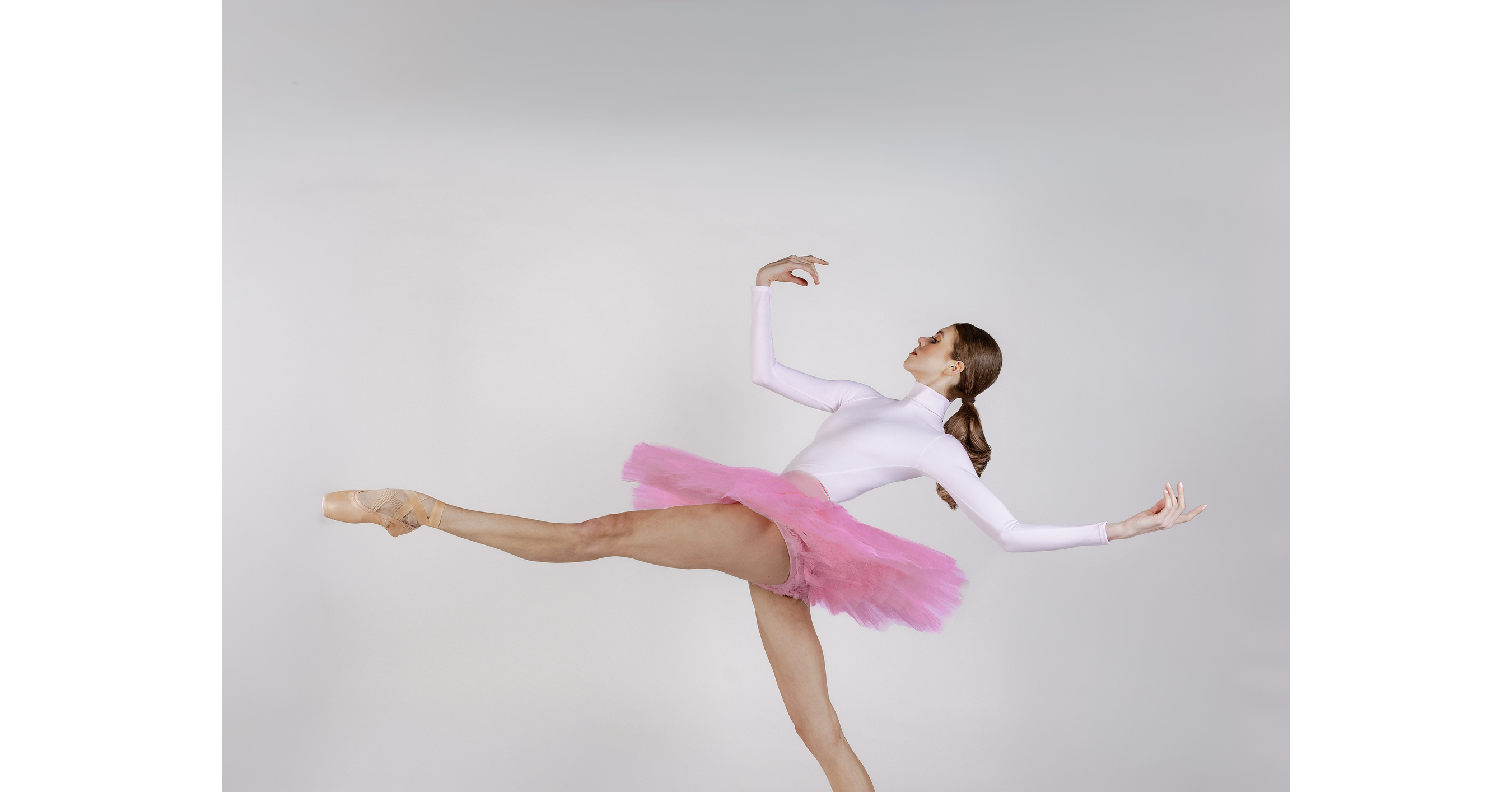
Ballet Spartanburg announced its 2026–2027 60th Anniversary Season, highlighted by a new Cinderella production choreographed by Artistic Director Lona Gomez and the first-time presentation of George Balanchine’s Valse-Fantaisie. The professional company expands from 18 to 21 dancers, with programming spanning classical (The Nutcracker with live Philharmonic accompaniment) and contemporary works (Momentum, EN STUDIO). Tickets for individual performances will be released on Aug. 1, 2026, while subscriptions are already available.
This reads more like a signal of organizational maturity than an investable event. For a nonprofit arts group, the operating leverage comes from donor confidence, subscription renewal, and the ability to command better dates and sponsorships over multiple seasons, not from any single production announcement. The important second-order effect is that a stronger artistic brand can gradually lower fundraising friction and improve the mix of earned vs. contributed revenue, but that tends to show up over 2-4 quarters, not overnight.
The competitive angle is local and reputational: a more ambitious season likely helps Ballet Spartanburg pull a larger share of discretionary entertainment spending and philanthropic attention within the regional arts ecosystem. That can be a headwind for smaller cultural nonprofits competing for the same donor pool, while adjacent downtown businesses benefit from higher event density and repeat foot traffic. The Balanchine program is especially useful as a legitimacy marker because it broadens the addressable audience beyond existing patrons, but it also raises execution stakes and production cost complexity.
The near-term catalyst is the August ticket release and any early subscription uptake signals; that is the first hard check on whether the expanded repertoire is translating into demand. Over 6-18 months, the real falsifier is whether the company can keep attendance and donor growth ahead of rising labor, rights, and production costs. If not, the artistic upgrade becomes a cash drain rather than a franchise enhancer.
Bottom line: no direct public-equity trade is obvious from this item alone. The actionable takeaway is to watch whether the anniversary season is accompanied by a step-up in sponsorship, grant commentary, or sell-through, which would indicate stronger cultural pricing power rather than just a marketing splash.
AI-powered research, real-time alerts, and portfolio analytics for institutional investors.
Request DemoOverall Sentiment
mildly positive
Sentiment Score
0.15
