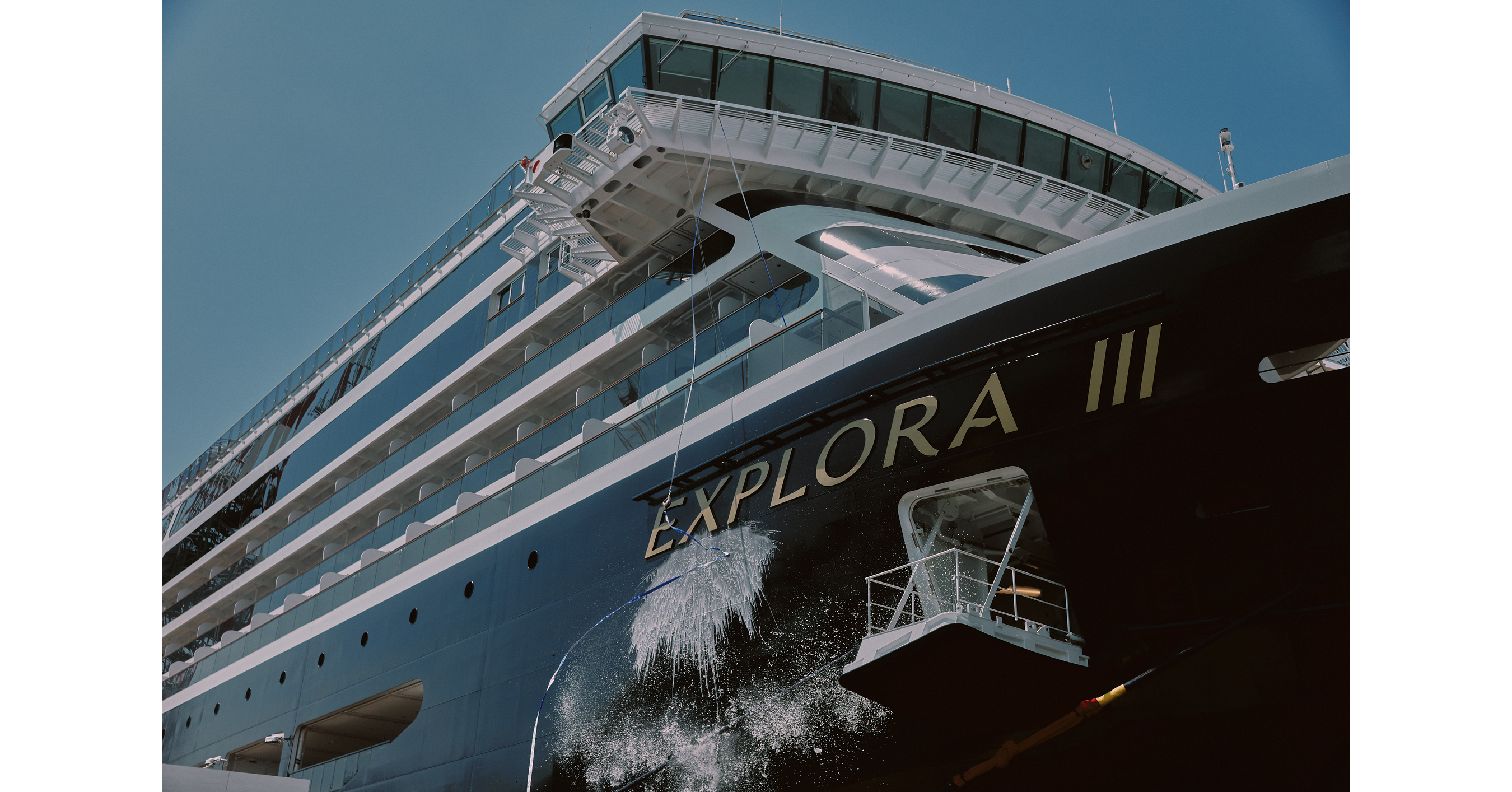
Explora Journeys delivered EXPLORA III at Fincantieri’s Sestri Ponente shipyard in Genoa, marking the halfway milestone of its €3.5B, six-ship fleet development (3 of 6 ships now in service). The LNG-capable vessel adds shore-power capability to cut emissions while alongside, and it expands onboard offerings (notably more spacious public areas, revamped wellness facilities, and new dining concepts). Company guidance is not provided, but the step-up in funded fleet capacity and environmental technology is a modest positive read-through for MSC Group’s cruise division.
FNCNF is the only near-term equity beneficiary, but this is mostly a credibility event rather than a new earnings event: the market should already be capitalizing the order book, so the stock reaction depends on whether delivery cadence converts into visibly better cash flow and margin mix over the next 2-3 quarters. The more important second-order read is that the cruise owner is choosing increasingly complex, premium-spec vessels; that supports shipbuilders with proven integration capability and tends to widen the moat versus lower-end yards that cannot reliably deliver LNG/shore-power systems at scale.
The broader competitive effect is on luxury cruise pricing, not on the headline shipbuilder story. A larger, more spacious ship with richer amenity mix is a sign that the ultra-premium segment is still investing for yield, which is constructive for the high-end cruise ecosystem, but it does not automatically translate into stronger load factors if macro travel demand softens. If fuel economics on LNG remain favorable, this also nudges other operators toward similar specs; if LNG spreads widen or port shore-power adoption stalls, the ESG premium can evaporate quickly.
Contrarian view: consensus will likely treat LNG capability as a green-edge advantage, but the real economic test is methane-slip scrutiny, fuel-price spread, and utilization of alternative fueling infrastructure. Over 6-18 months, the risk is that "future-ready" design becomes a cost burden if regulations tighten faster than infrastructure expands. For FNCNF, the falsifier is a miss on conversion of the remaining fleet into margin/FCF, or any indication the next deliveries slip on supply-chain bottlenecks.
AI-powered research, real-time alerts, and portfolio analytics for institutional investors.
Request DemoOverall Sentiment
mildly positive
Sentiment Score
0.25
Ticker Sentiment
