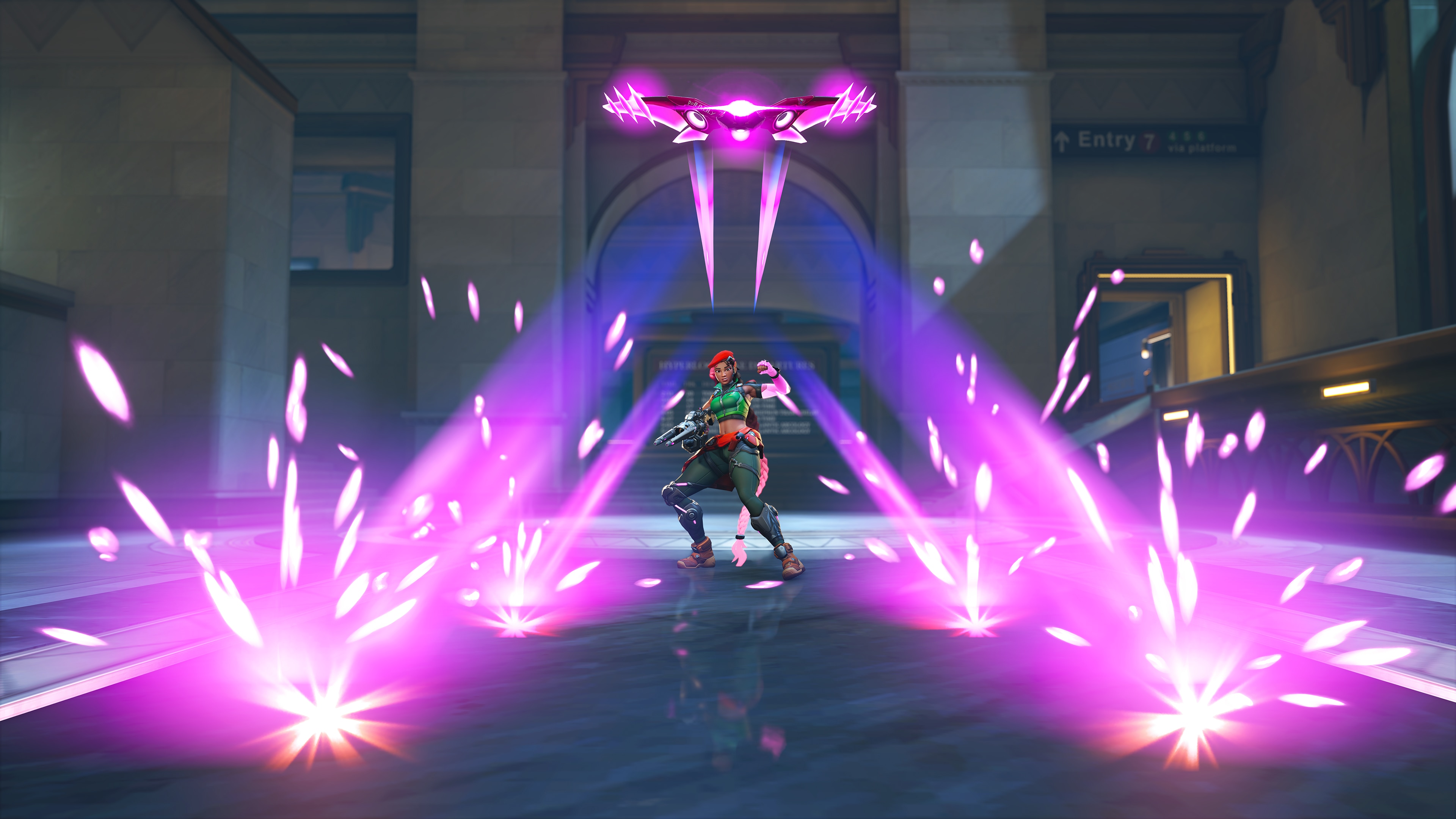
Overwatch Season 2: Summit introduces a new DPS hero, Sierra, alongside a three-week Operation: Grand Mesa event, two Mythic skins, a map rework, Stadium updates, and new Perks. The season also adds returning post-match accolades, Sakura and LE SSERAFIM cosmetic collections, a new WEBTOON series, and Overwatch on Nintendo Switch 2. The article is broadly promotional and positive, but it is routine game content with limited direct market impact.
This reads less like a pure content drop and more like a monetization cadence reset: a new hero, multiple limited-time cosmetics, battle pass value-adds, and a prestige loop via post-match recognition all point to higher engagement density per session. The second-order effect is higher conversion from “casual returners” into spenders because the design is stacking social validation, lore completion, and collectible scarcity in the same 2-3 week window. That usually matters more for bookings than headline content count because it raises attach rates across battle pass, premium skins, and bundle upgrades. The most interesting supply-side signal is platform reach expansion. A stronger handheld/console experience can reduce friction for lapsed users who no longer anchor playtime to PC/console performance parity; that broadens the total addressable time budget, not just the installed base. If successful, this also pressures competitive FPS titles that rely on higher mechanical barriers, because a more accessible client plus social recognition features tends to improve retention among mid-skill cohorts. The contrarian risk is that the content stack may be too broad and too cosmetic-heavy, diluting the impact of any single feature and creating a short-lived spend spike rather than durable MAU growth. The key watch item is whether engagement extends beyond the first 10-14 days into the midseason when the novelty wears off; if retention curves flatten, monetization could still look strong while underlying player health stalls. The main failure mode is cannibalization: too many parallel offerings can force spenders to choose, lowering conversion per item even if gross revenue holds up. From a trade standpoint, this is constructive for the parent’s live-services monetization narrative over the next 1-2 quarters, but the equity setup is usually better bought on confirmation than anticipation. The right framing is event-driven upside to bookings with limited long-term multiple expansion unless management can show sustained cohort retention and higher ARPDAU in the next print.
AI-powered research, real-time alerts, and portfolio analytics for institutional investors.
Request DemoOverall Sentiment
moderately positive
Sentiment Score
0.70
