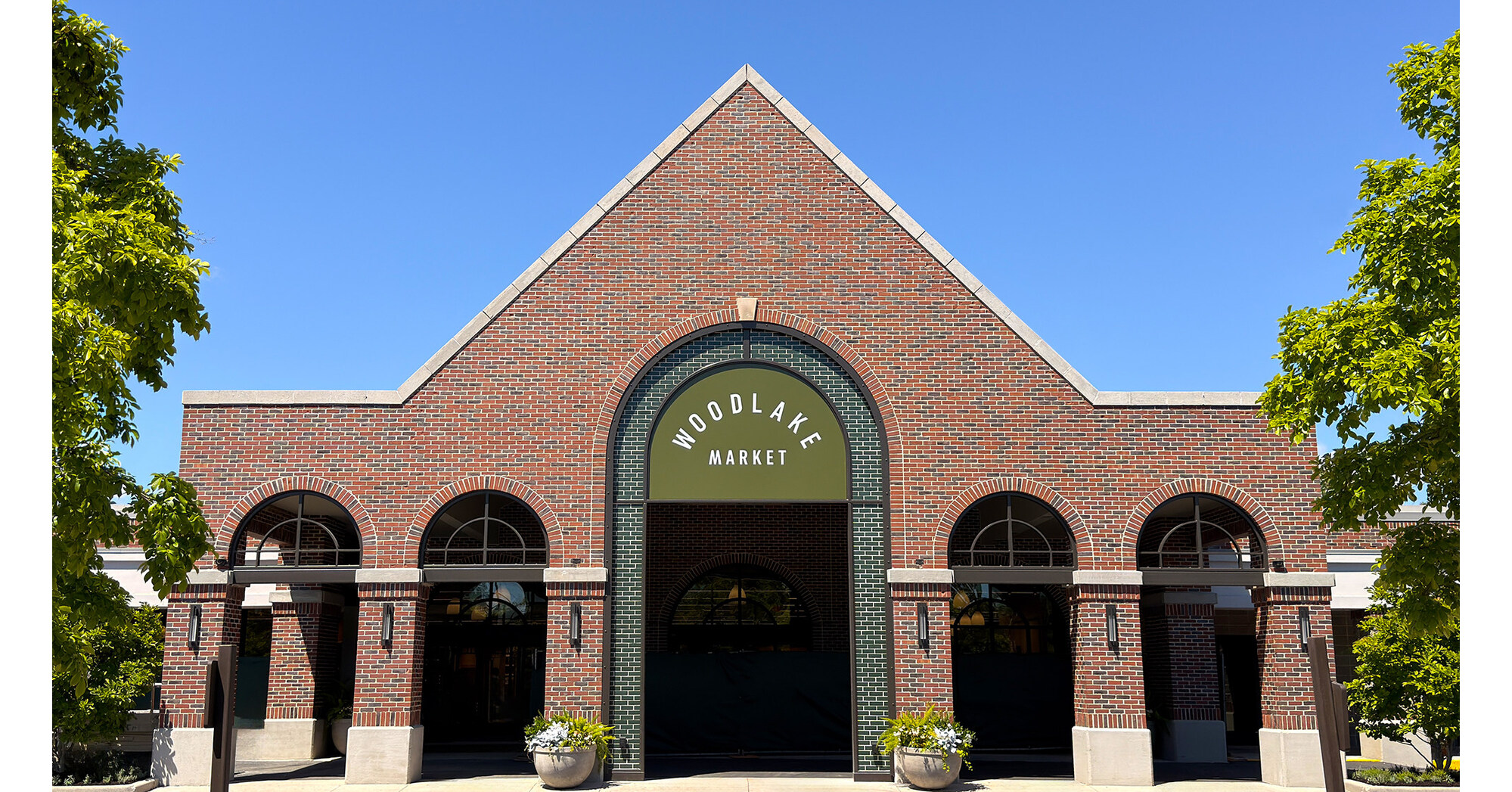
Kohler officially opens Woodlake Market with a two-day Grand Opening Celebration on July 17-18, adding new shopping and dining concepts in the Village of Kohler. The market emphasizes experiential retail and wellness, with roughly 80% of grocery offerings sourced from organic products, and features new concepts including a Kohler Chocolates boutique and curated artisan cheese tastings. The LEED-certified development retains historic elements while introducing a modern, community-focused layout, with plans for workshops, pop-ups, and giveaways during the opening weekend.
The investable signal here is not the opening itself; it is the operating model. Kohler is effectively using a captive hospitality footprint to raise dwell time and extract more food-and-beverage and specialty retail spend per visitor, which is a different economics set than ordinary grocery. That tends to favor premium experiential operators and mixed-use destinations where traffic is driven by destination appeal rather than weekly necessity.
Second-order, this is mildly supportive for premium specialty grocers and food halls only if they can convert “discovery” into repeat visits; otherwise the benefit is mostly branding. The harder read-through is on conventional retailers and roadside convenience concepts: if affluent consumers are willing to pay for curated, local, wellness-oriented baskets, the share loss comes from mid-tier formats that depend on routine fill-in trips. Public-market impact is likely small unless this is part of a broader rollout.
The key falsifier is whether the concept sustains traffic after launch-week marketing fades. Watch 1-3 month indicators: repeat visitation, per-head spend, and whether the local-maker/organic mix carries enough margin to justify the extra labor and event programming. If the store needs constant promotions to maintain relevance, it is a capex-heavy amenity, not a durable retail moat; in that case the read-through to public comps should be ignored.
AI-powered research, real-time alerts, and portfolio analytics for institutional investors.
Overall Sentiment
mildly positive
Sentiment Score
0.18
Ticker Sentiment
