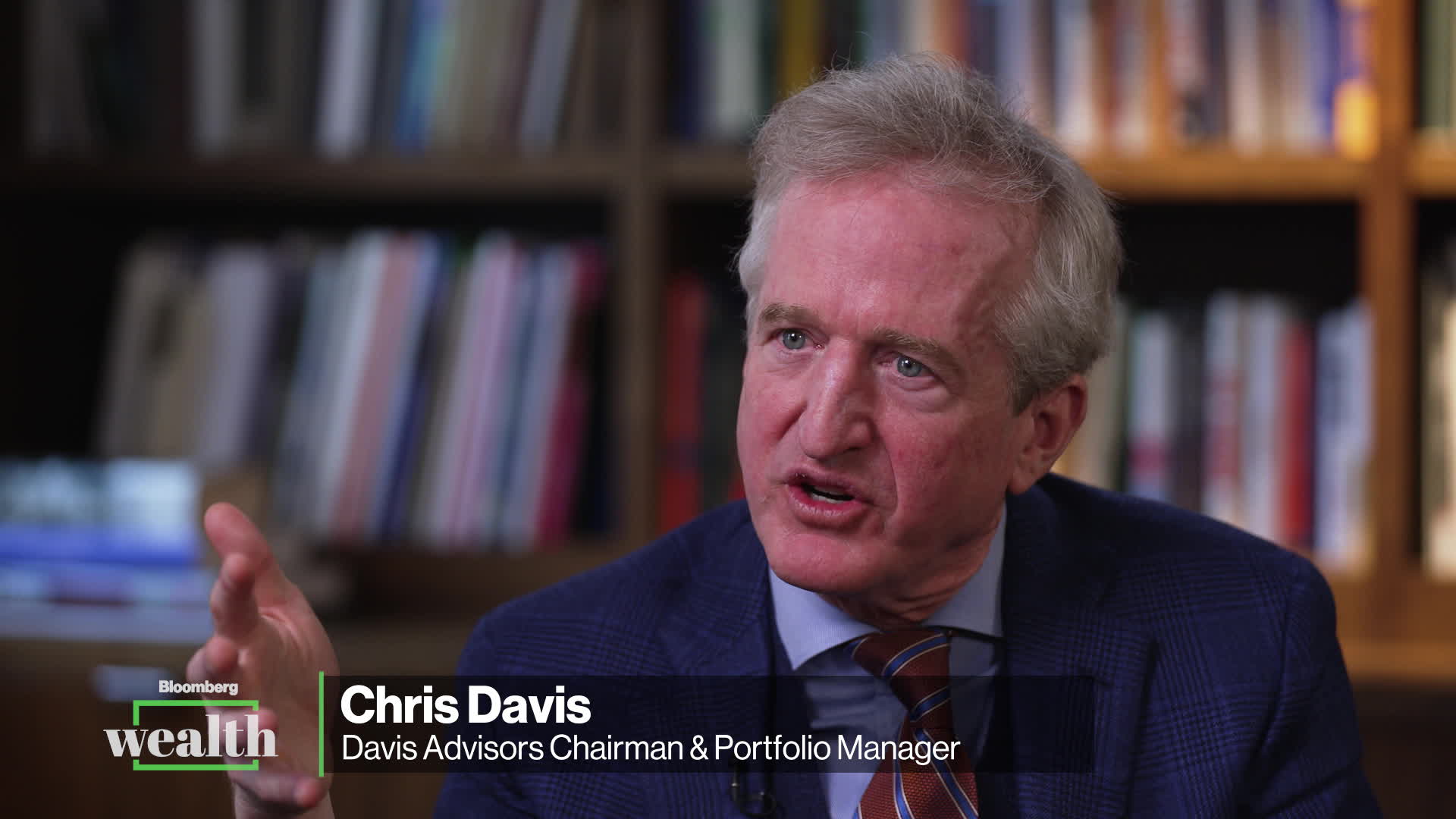
Recent Bloomberg Wealth discussions featured the Robinhood CEO lamenting the 'tragedy' of retail investors being unable to access private markets, highlighting ongoing industry debates around market democratization. Other segments included insights into Berkshire Hathaway's culture and strategies, as well as the D1 Founder's perspective on young talent gravitating towards New York City.
Recent commentary from Bloomberg Wealth segments highlights a key strategic signal from Robinhood's (HOOD) CEO, who characterized the inability of retail investors to access private markets as a 'tragedy'. This statement, while carrying a slightly positive sentiment score of 0.2 for the ticker, points toward a potential future strategic direction for the company focused on expanding its product suite into private market assets, aligning with its core mission of market democratization. The overall neutral sentiment and very low market impact score of 0.1 suggest this is not a near-term market-moving event, but rather a long-term signal of intent. The discussion also included insights into Berkshire Hathaway's corporate culture and strategies, reinforcing the thematic focus on management and governance within the broader financial industry.
AI-powered research, real-time alerts, and portfolio analytics for institutional investors.
Request DemoOverall Sentiment
neutral
Sentiment Score
0.00
Ticker Sentiment
