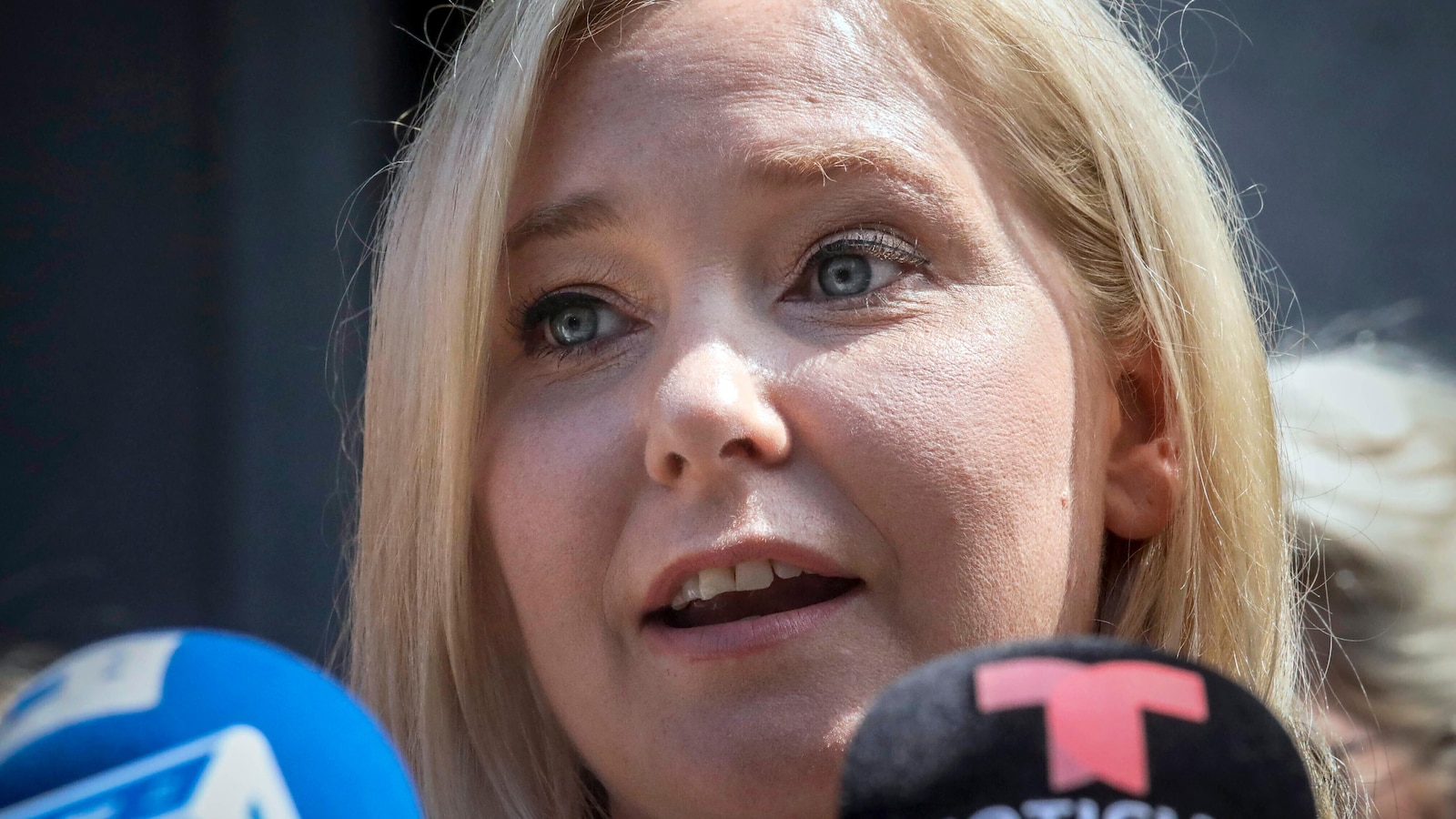
Two adult sons of Virginia Giuffre have asked an Australian court to appoint them administrators of her estate after Giuffre — the high‑profile Epstein accuser who settled a 2022 suit with Prince Andrew — died by suicide in April without leaving a will. The estate, which includes property in Western Australia and potential proceeds from her recently released memoir “Nobody’s Girl,” is contested by her former housekeeper Cheryl Myers and ex‑attorney Karrie Louden; a temporary administrator has been appointed and the dispute may delay asset monetization and distribution while litigation proceeds.
Market structure: This is an idiosyncratic, litigation-driven event with negligible systemic market impact. Direct beneficiaries are headline-driven media and digital distribution platforms (news publishers, Audible/Amazon AMZN, audio/podcast hosts) that can capture a short-term traffic/revenue bump of roughly 1–3% over 2–12 weeks after high-profile coverage; studios/streamers (NFLX, WBD) are potential beneficiaries only if adaptation rights are sold. Losers are limited to estate creditors/administrators and any counter-parties to contracts that may be frozen — the impact is concentrated and asset-level, not sector-wide.
Risk assessment: Tail risks include protracted litigation that freezes monetization of the memoir and IP (probability low-to-moderate) or reputational cascade that triggers additional lawsuits (low probability, high impact). Time horizons: immediate (days–weeks) — media traffic and social spikes; short-term (1–6 months) — book/audiobook sales and licensing negotiations; long-term (6–24 months) — potential adaptation/licensing revenues or estate settlement. Hidden dependencies: publishing contracts, jurisdictional probate rules in Western Australia, and clause-level escrow provisions that can delay cash flows by >6 months.
Trade implications: Favor small, event-driven, defined-risk positions sized 0.5–2% of portfolio focused on media/digital distribution players for short windows (3 months) rather than broad sector exposure. Use options to cap downside; avoid directional bets on reputational spillovers to large cap consumer/national brands. Catalysts to watch: court scheduling (next hearings next year), publisher/agent announcements, and any adaptation-rights sales over the next 6–12 months.
Contrarian angles: Consensus will treat this as purely tabloid fodder and underprice the short-term monetization pathway for the memoir and derivative rights; but also a common overreaction is to extrapolate sustained revenue — historical parallels (high-profile memoirs) show 2–8 week sales spikes, not multi-year cash flows. Unintended consequence: if courts freeze IP, immediate uplift trades will fail — so prefer short-dated, liquid option structures and strict stop-loss triggers.
AI-powered research, real-time alerts, and portfolio analytics for institutional investors.
Request DemoOverall Sentiment
neutral
Sentiment Score
-0.10
