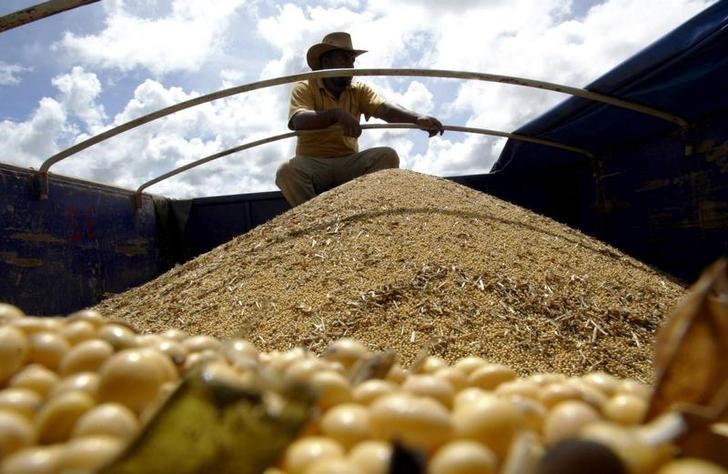
U.S. soybean crush hit 214.340 million bushels in June, up 2.7% from May (208.785 million) and 15.7% vs June 2025 (185.270 million). The daily processing rate recovered to 7.145 million bushels/day, the highest since March, supported by strong crush margins and solid soy product demand as seasonal maintenance ended and output increased.
The signal here is less about soybeans as a commodity and more about operating leverage in the processing chain. Higher utilization into summer maintenance season suggests the crush complex still has enough end-demand to absorb incremental meal and oil output, which is constructive for ADM and BG near term because it supports throughput, spreads, and asset utilization at a time when fixed costs are already sunk.
The second-order risk is that this is also the point where capacity additions start to matter more than demand. If new plant startup and restarted idled capacity continue while meal/oil export demand merely stays steady, processor margins can compress quickly even as headline crush volumes remain strong. That would shift the benefit downstream to livestock/feed users like TSN over a 1-3 month horizon, while making the current earnings setup for processors look more cyclical than structural.
Contrarianly, the market may be overreading volume strength as a durable margin tailwind. The key variable is not crush tonnage but the crush spread: if soybean oil and meal basis soften, this becomes a late-cycle supply response rather than a demand breakout. Watch the next 2-4 weekly crush and basis prints; a sustained spread deterioration would falsify the bullish processor thesis, while continued tight spreads would confirm it and extend the trade into 6-18 months.
AI-powered research, real-time alerts, and portfolio analytics for institutional investors.
Request TrialOverall Sentiment
mildly positive
Sentiment Score
0.15
