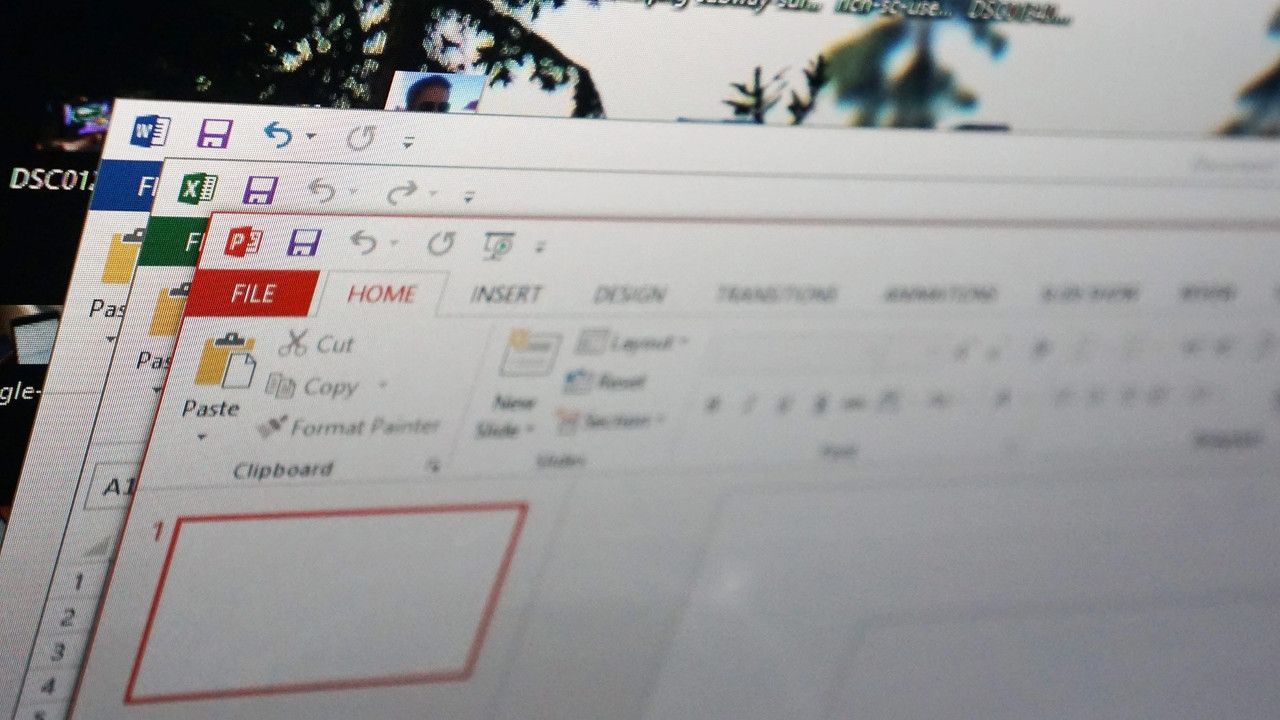
Microsoft admitted the floating Copilot button in Office apps was hurting workflow and is rolling out a fix that will let users move it back to the ribbon, with Windows Latest expecting the change in the last week of May 2026. The company also said the default floating placement drove higher Copilot engagement, even as users complained it was intrusive. Overall, the piece is a product-design adjustment with modest implications for Copilot adoption, not a major financial event.
This is a classic case of distribution overpowering product-market fit in the short run, but not necessarily in the long run. For Microsoft, forced placement can lift engagement metrics mechanically, yet that is low-quality engagement if it is driven by accidental clicks, frustration, or administrative workarounds rather than genuine usage intent. The important second-order effect is that aggressive surface-area expansion may improve near-term Copilot telemetry while simultaneously worsening Office NPS and increasing the probability that IT departments tighten policy controls around AI defaults.
The more actionable signal is not the UI rollback itself, but the implied monetization problem: Microsoft is still in the phase where adoption is being manufactured through defaults instead of pulled by workflow value. That usually means enterprise penetration can look large in vendor disclosures while actual paid conversion remains thin, because admins buy broadly but end users do not expand usage materially. If that pattern persists, Copilot risks becoming a margin-supporting bundle feature rather than a standalone growth engine, which matters for how the market underwrites AI contribution to Microsoft’s terminal growth rate.
Near term, the setup is mixed for MSFT. The rollback reduces reputational drag and likely lowers support noise over the next 1-2 quarters, but it also signals that Microsoft is still iterating in a way that could keep AI monetization cadence lumpy through FY26. The contrarian risk is that investors may be over-focusing on low paid-user conversion while underestimating the durability of enterprise renewals, where Copilot can be a procurement checkbox even if daily active use is modest. The key question over the next 6-12 months is whether Copilot becomes embedded in core workflows enough to raise seat expansion, or whether Microsoft is forced into heavier discounting and bundling to defend uptake.
AI-powered research, real-time alerts, and portfolio analytics for institutional investors.
Request DemoOverall Sentiment
neutral
Sentiment Score
-0.05
Ticker Sentiment
