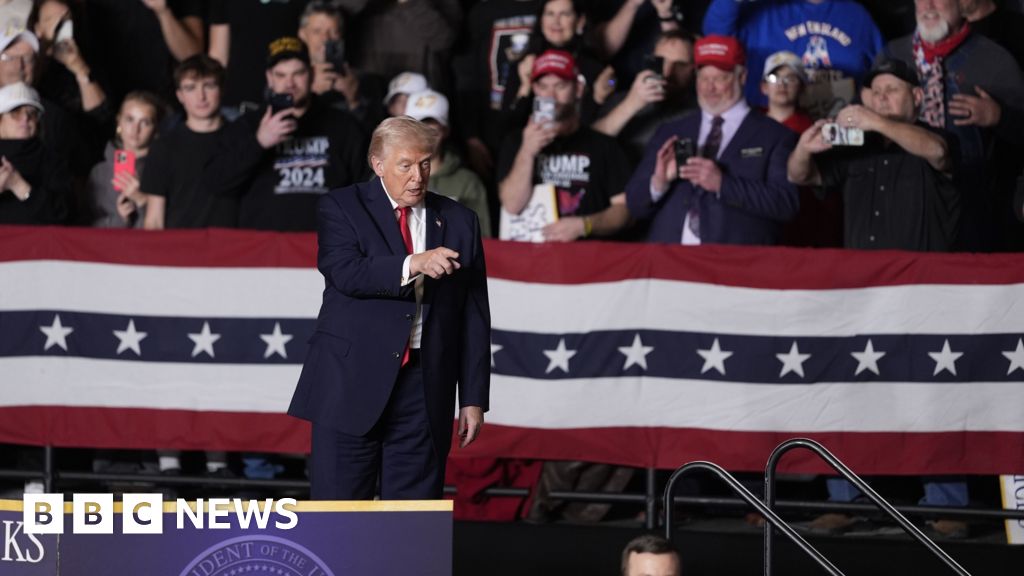
Two US citizens were fatally shot during a federal immigration operation in Minneapolis, prompting Republican lawmakers to criticize ICE and demand oversight while largely avoiding direct attacks on President Trump. Congress — which last year approved roughly $45 billion for border and interior enforcement — faces potential friction as Democrats vow to block a spending package that includes DHS funding, raising near-term shutdown risk; the White House has shifted tactics, sending Tom Homan to oversee the operation and signaling de-escalation. The episode increases political uncertainty ahead of the midterms and could shape Republican messaging and congressional negotiations over immigration funding.
Market structure: Short-term winners are defense/cybersecurity contractors and analytics firms that supply DHS/ICE (higher-margin, expedite-able contract work); losers are private-prison operators, local-tourism/retail in Minneapolis and reputationally-exposed vendors. A congressional funding fight (recall ~$45bn prior DHS/border funding) creates a binary outcome that reallocates several $bn of near-term contract demand and therefore pricing power to incumbents with cleared federal credentials.
Risk assessment: Tail risks include a government shutdown or large litigation award (> $100–500m) against federal contractors or municipalities, and escalation into broader civil unrest that dents regional consumer activity; probability low but impact high. Time horizons: expect volatility in days–weeks around hearings (30 days) and appropriations votes (this week); structural policy and midterm-driven funding shifts crystallize over 3–6 months.
Trade implications: Favor small, tactical long exposure to analytics/cyber names that win DHS re-competes and short exposure to private prisons and municipal-sensitive cyclicals. Use 1–3 month option structures around key catalysts (committee hearings, appropriations votes) and size positions to 1–3% of portfolio to limit policy binary risk.
Contrarian angles: The market’s negative knee-jerk on all “immigration beneficiaries” conflates reputational and contract winners — history shows funding often re-routes (not vanishes) after scandals, benefiting politically connected contractors. If legislation cuts ICE funding by < $2–3bn, defense/cyber names often gap higher; if cuts exceed that, private-prison downside accelerates beyond 30%.
AI-powered research, real-time alerts, and portfolio analytics for institutional investors.
Request DemoOverall Sentiment
mildly negative
Sentiment Score
-0.25
Ticker Sentiment
