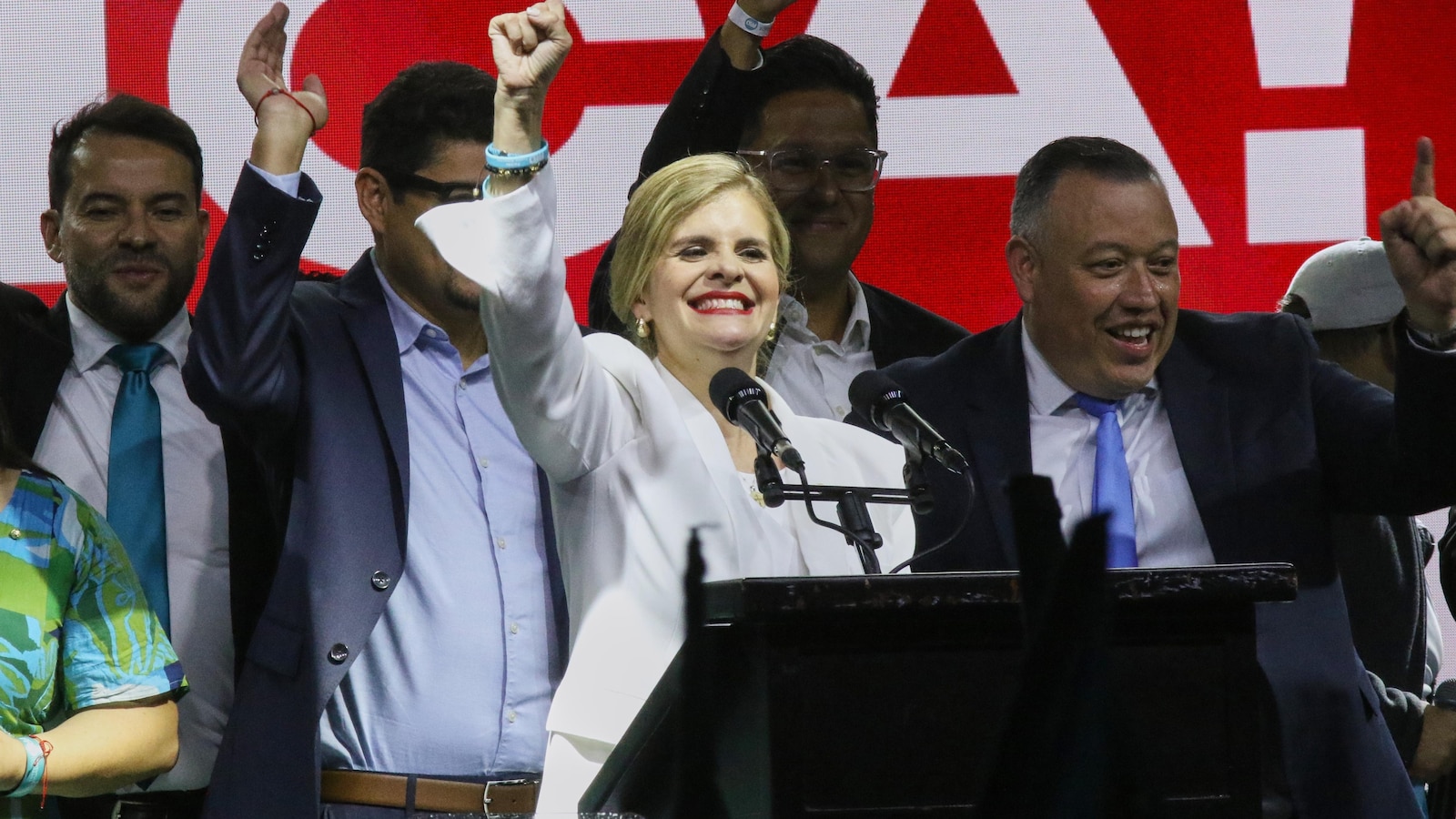
Preliminary results with 88.4% of polling places tallied show Laura Fernández of the Sovereign People's Party leading with 48.5% against Álvaro Ramos' 33.3%, a margin that would clear the 40% threshold for a first-round victory; Ramos conceded. Continuity of President Rodrigo Chaves' policies is likely, with Chaves’ party expected to gain seats in the 57-member National Assembly though a supermajority appears unlikely—implications include potential shifts in fiscal and institutional governance and reduced short-term political uncertainty for investors.
Market structure: A Fernández win signals near-term political continuity vs a runoff, which should compress immediate political-risk premia for Costa Rican assets; expect 1–3% CRC appreciation and sovereign USD spreads to tighten 20–75bp within 1–3 months if no legislative shock occurs. Direct winners: domestic banks, security contractors, and tourism operators that benefit from stable government and administrative continuity. Losers: incumbents of anti-government litigation or opposition-linked contractors if power consolidates.
Risk assessment: Tail risks include contested protests, an unexpected move toward a supermajority that enables judicial captures, or a sharper-than-expected fiscal loosening that triggers rating action — each could widen spreads 100–300bp. Time horizons: immediate (days) = reduced volatility; short (weeks–months) = market reprice around Assembly seat counts and rating commentary; long (quarters–years) = structural fiscal trajectory and crime policy effectiveness that drive sovereign credit.
Trade implications: Tactical plays should exploit compression vs tail-hedges against regime drift. Use size limits (1–3% NAV per trade), pre-defined triggers (e.g., spreads >350–400bp to buy; CRC moves >3% to cover), and layered expiries (1–6 months) to capture volatility decline while protecting against reversals.
Contrarian angles: Consensus optimism underestimates fiscal risk — continuity may mean continuation of high deficits and populist security spending; markets could be underpricing downgrade risk by 12–24 months. Conversely, if legislative gains are limited (no supermajority), upside to sovereigns may be capped; prefer asymmetric trades (sell volatility, buy protection) rather than naked long risk.
AI-powered research, real-time alerts, and portfolio analytics for institutional investors.
Request DemoOverall Sentiment
neutral
Sentiment Score
0.08
