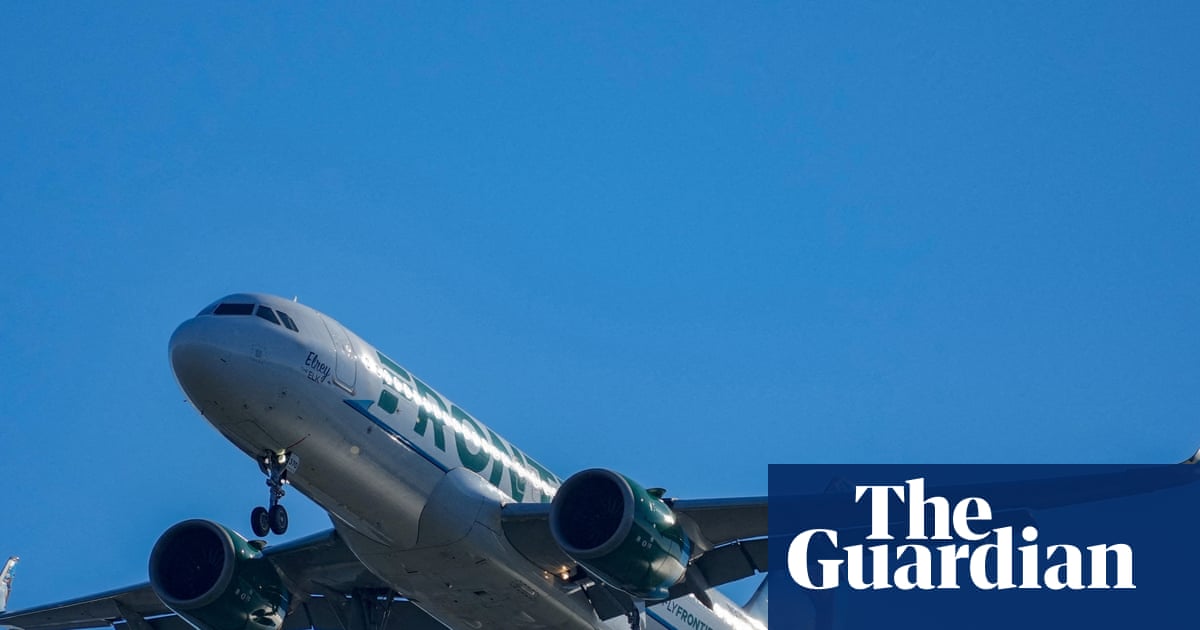
A Frontier Airlines Airbus A321 carrying 231 people struck a pedestrian during takeoff at Denver International Airport, triggering an engine fire, cabin smoke, and an emergency evacuation via slides. Frontier said Flight 4345 had 224 passengers and 7 crew members; the NTSB has been notified and runway 17L remains closed pending investigation. The incident adds to recent airport safety disruptions, but the market impact is likely contained to Frontier and adjacent airline risk sentiment.
This is a sector-wide operational risk reset, not a one-off headline. The immediate market impact should show up less in the named carrier and more in airport/ground-handling liability pricing, insurance reserves, and maintenance/inspection scrutiny across U.S. commercial aviation, where a single runway-event can cascade into regulatory hours-of-service, staffing, and airfield-access costs for weeks. The second-order loser is any operator with tight utilization and thin schedule recovery flexibility, because even a short runway closure can create disproportionate knock-on delays, crew misconnects, and compensation expense.
For UAL, the direct read-through is modest but non-zero: the market will initially extrapolate the Newark incident into a broader narrative of elevated ground-risk across major hubs. That matters because aviation equities trade on reliability optics as much as earnings, and repeated non-flight incidents can pressure multiples via higher perceived litigation and insurance drag. The key catalyst is whether the NTSB/FAA response broadens from an isolated investigation into airfield safety protocols, which would raise costs for all hub carriers over the next 1-3 quarters.
The contrarian view is that these events are usually media-amplified but P&L-limited unless there is a systemic control failure or a fatality with clear operator negligence. If the investigation pins this on airport perimeter/security rather than airline operations, the equity damage to carriers should fade quickly and the better trade becomes insurers and airport operators absorbing the smaller but more durable cost creep. For now, the asymmetry is in short-dated sentiment pressure, not a multi-year earnings reset.
AI-powered research, real-time alerts, and portfolio analytics for institutional investors.
Request DemoOverall Sentiment
strongly negative
Sentiment Score
-0.55
Ticker Sentiment
