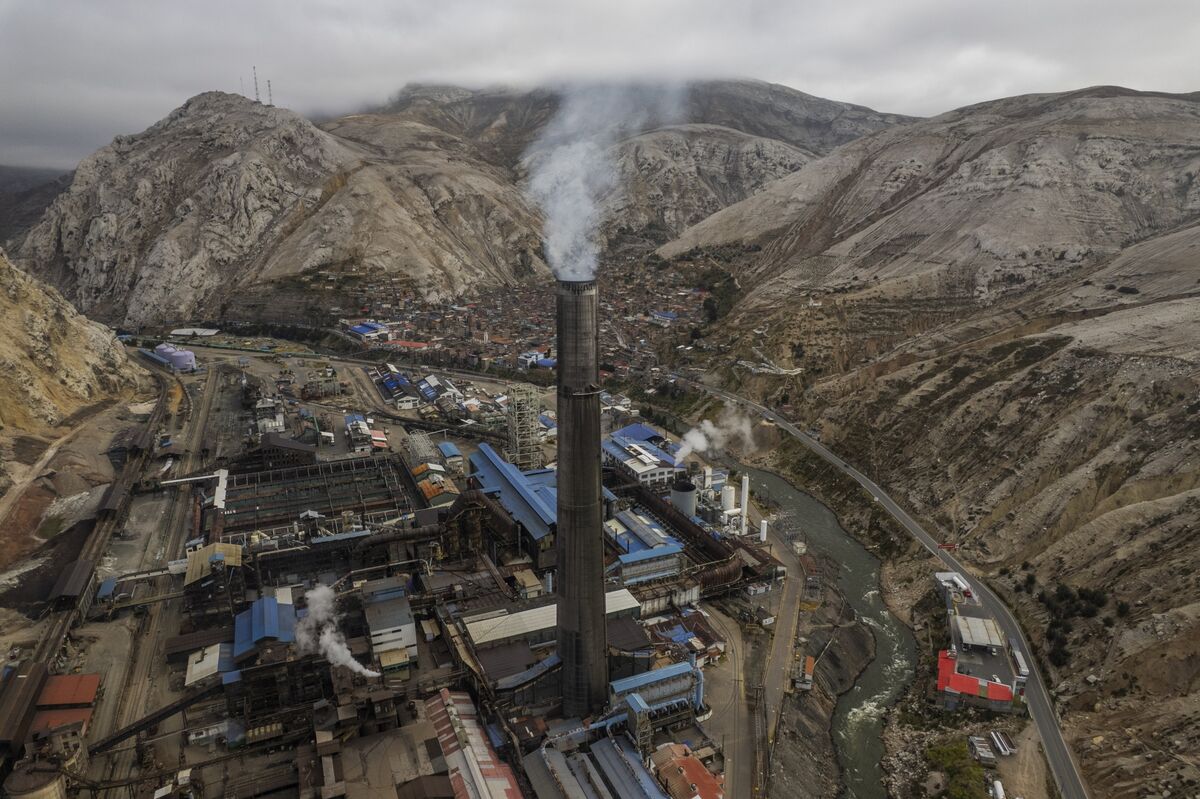
Ira Rennert agreed to a $150 million settlement resolving 1,380 lawsuits tied to lead pollution from a Peruvian smelter, nearly two decades after the claims began. The deal addresses almost a third of the cases, but more than 3,000 claims remain outstanding. The article centers on environmental health damages and litigation risk rather than broader market-moving financial news.
This settlement is not a clean resolution story; it converts a long-dated legal overhang into a partial liquidity event while leaving a larger liability stack intact. The key second-order effect is that once one plaintiff cohort monetizes at scale, remaining claimants gain a much clearer valuation anchor, which can raise settlement expectations and reduce defendants’ bargaining leverage in subsequent tranches. That means the headline is more important for litigation strategy than for the underlying environmental or reputational damage, which likely persists for years.
The economic read-through for adjacent names is that ESG/liability risk premia in emerging-market mining and smelting should widen, not narrow. Operators with any legacy contamination exposure in Latin America now face a higher probability that plaintiffs’ counsel will use this deal as a comp benchmark, accelerating reserve booking and potentially pressuring balance sheets via legal accruals over the next 2-6 quarters. For lenders and insurers, this increases tail risk because environmental claims are often underwritten as “idiosyncratic” until a settlement like this re-prices the whole class of disputes.
The contrarian point is that the market may overestimate near-term cash drain while underestimating duration: a settlement spread over time can be manageable, but the litigation uncertainty remains until the residual claims are either discounted sharply or fully adjudicated. The sharper trade is against companies where unresolved environmental liabilities are not yet fully reflected in credit spreads or equity multiples. Watch for any announcement of structured payments, appeals, or enforceability issues, since those can swing the situation from contained to escalating within weeks.
AI-powered research, real-time alerts, and portfolio analytics for institutional investors.
Request DemoOverall Sentiment
moderately negative
Sentiment Score
-0.45
