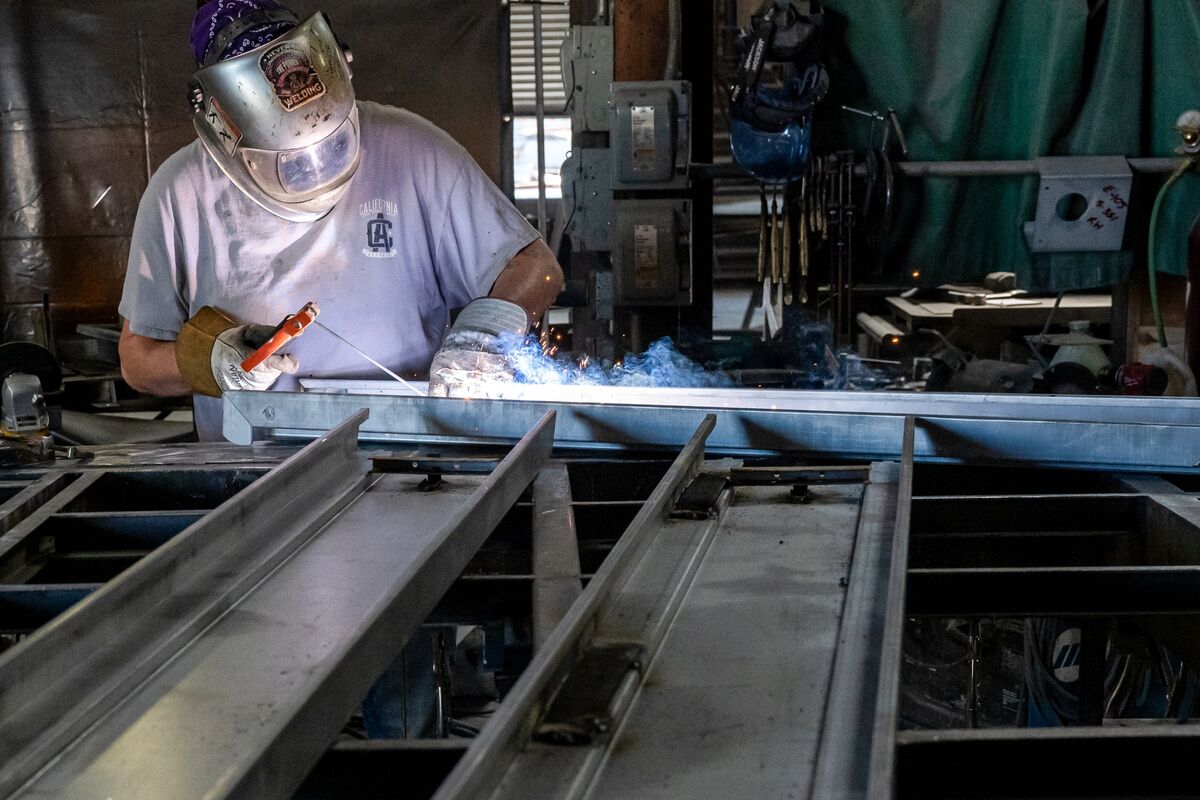
U.S. manufacturing activity contracted for a fourth consecutive month in June, with the Institute for Supply Management's (ISM) index ticking up marginally to 49 but remaining below the 50-point expansion threshold. This ongoing contraction was marked by orders and employment indexes falling to three-month lows, signaling a deepening malaise in the sector. Concurrently, prices paid for raw materials indicated slightly faster inflation, suggesting persistent cost pressures despite the broader slowdown.
U.S. manufacturing activity remained in a contractionary phase for the fourth consecutive month in June, signaling a persistent and deepening malaise across the sector. The Institute for Supply Management’s (ISM) factory index edged up to 49 from 48.5, but by remaining below the 50-point threshold, it confirms ongoing weakness. The underlying data points to a deteriorating outlook, as indexes for both new orders and employment fell to three-month lows, suggesting that future production and hiring are likely to face headwinds. Compounding the slowdown in activity, the measure for prices paid for raw materials indicated slightly faster inflation, presenting a challenging stagflationary environment for goods producers who are grappling with rising input costs amid weakening demand.
AI-powered research, real-time alerts, and portfolio analytics for institutional investors.
Request DemoOverall Sentiment
strongly negative
Sentiment Score
-0.65
