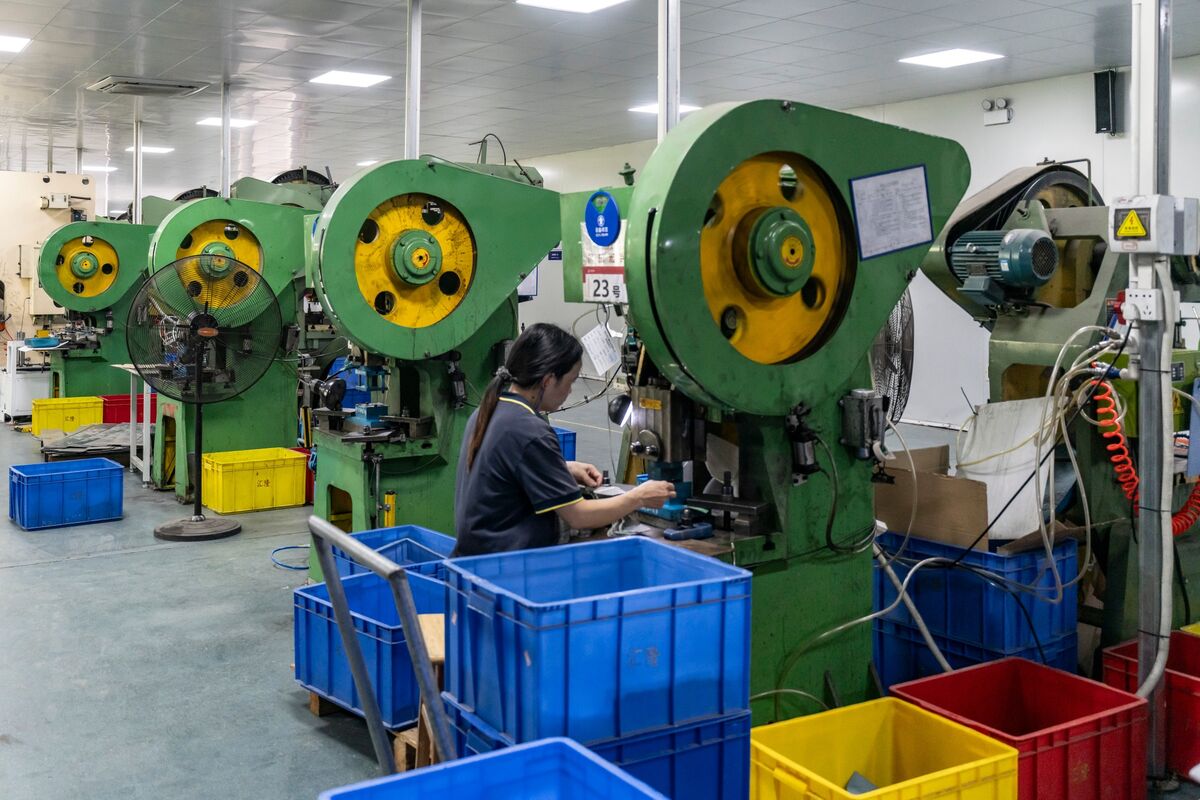
China's official manufacturing PMI slipped to 49.2 in November, remaining below the 50 threshold and marking an eighth consecutive month of contraction and the longest streak on record; the Bloomberg median estimate was 49.4. The data signal a deepening slowdown in Chinese factory activity, with implications for global demand, supply chains and commodity consumption that may weigh on Asian markets and investor sentiment.
Market structure: A sub-50 PMI (49.2, eighth consecutive month) signals demand-driven weakness that directly hurts commodity producers (iron ore, copper, oil), export-oriented manufacturers in Taiwan/Korea, container-shipping and OEM suppliers while benefiting global fixed-income and FX safe-havens. Expect downward pressure on base metals and Brent/WTI; shipping rates and industrial commodity seaborne volumes likely to contract 5-15% if PMI stays <49.5 for two more months, shifting pricing power toward buyers (industrial consumers) and logistics discounting. Risk assessment: Tail risks include a sharper China hard-landing driven by a property-sector credit shock or sudden regulatory tightening that could knock Chinese import volumes down by >20% YoY and stress EM commodity-exporter sovereigns (AUD, BRL weakness). Near-term (days–weeks) risk is FX volatility and EM equity underperformance; medium-term (3–12 months) depends on fiscal/monetary stimulus; long-term (12+ months) hinges on structural demand rebalancing and onshoring trends. Trade implications: Tactical risk-off positioning (long long-duration Treasuries, USD, gold) and targeted protection on China exposure is warranted; downside in copper/oil suggests buying puts or put-spreads on copper futures and commodity equities. If Beijing unveils meaningful stimulus (RRR cut >50bp or fiscal package >RMB500bn), pivot to Chinese infrastructure/construction names and commodity longs within 2–6 weeks. Contrarian angles: Consensus assumes prolonged demand slump; what’s missed is policy firepower — prior episodes (2015–16) saw sharp policy backstops and a V-shaped commodity rebound. If PMI reverts toward 50.5 within 6–12 weeks following stimulus, crowded China-short and commodity-put positions could suffer large losses; size positions conservatively and cost-limit via spreads.
AI-powered research, real-time alerts, and portfolio analytics for institutional investors.
Request DemoOverall Sentiment
moderately negative
Sentiment Score
-0.50
