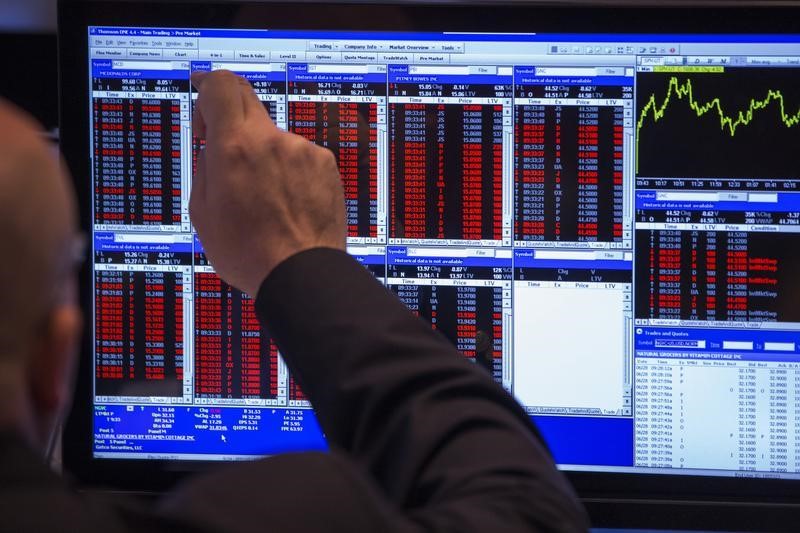
Lam Research shares jumped 6.95% to $294.96 and hit a new 52-week high of $296.07 after fiscal Q3 EPS of $1.47 beat consensus by $0.11 and revenue of $5.84B topped estimates by $140M. Management guided Q4 EPS to $1.44-$1.82 and reiterated growth tied to AI-driven NAND and DRAM demand, while Seaport initiated coverage at Buy with a $300 target and several other firms raised or reiterated bullish ratings. The stock also benefited from expectations of higher semiconductor equipment spending, including a projected $140B WFE market in 2026 with upside bias.
This is less about one beat and more about a repricing of the semi-capex cycle’s duration. The key second-order effect is that AI-led spending is broadening from logic/foundry into memory and adjacent process nodes, which is structurally favorable for the equipment set because memory capex tends to be stickier once utilization tightens. If H2 really outgrows H1, the market is signaling that the 2026 wafer-fab-equipment tape is no longer a “catch-up” trade; it is becoming a multi-quarter earnings revision story.
The beneficiaries extend beyond the name in focus. Stronger spending at one flagship supplier typically pulls forward order confidence for the rest of the equipment chain, but the dispersion matters: names with heavier exposure to etch/deposition and process control should see the best estimate revisions, while highly valued analogs of the same theme may underperform if investors rotate into the highest operating leverage. The larger implication is that customers are now willing to fund capacity before end-demand is fully visible, which usually precedes a phase of positive estimate revisions across the supply base by 1-2 quarters.
The main risk is not near-term execution; it is that the market is extrapolating a 2026-27 demand stack that could still be vulnerable to a digestion period if AI infrastructure spending pauses or memory pricing rolls over faster than expected. Semiconductor equipment is prone to sharp multiple compression when bookings decelerate even if reported quarters remain good, so the trade is likely best expressed over weeks to months, not as a passive multi-year hold. Insider sales here are noise, but they do highlight that some of the quick re-rating has already happened.
Contrarianly, the consensus may be underpricing how much of the upside is already in the stock after the gap-up and analyst cascade. The better risk/reward may now be relative value inside semicap: long the cleaner estimate-upgrade beneficiaries and short the more crowded names where AI exposure is already fully capitalized. If capex commentary weakens even modestly at the next major customer read-throughs, this group can retrace quickly because positioning is now crowded and sentiment is one-sidedly bullish.
AI-powered research, real-time alerts, and portfolio analytics for institutional investors.
Request DemoOverall Sentiment
strongly positive
Sentiment Score
0.82
Ticker Sentiment
