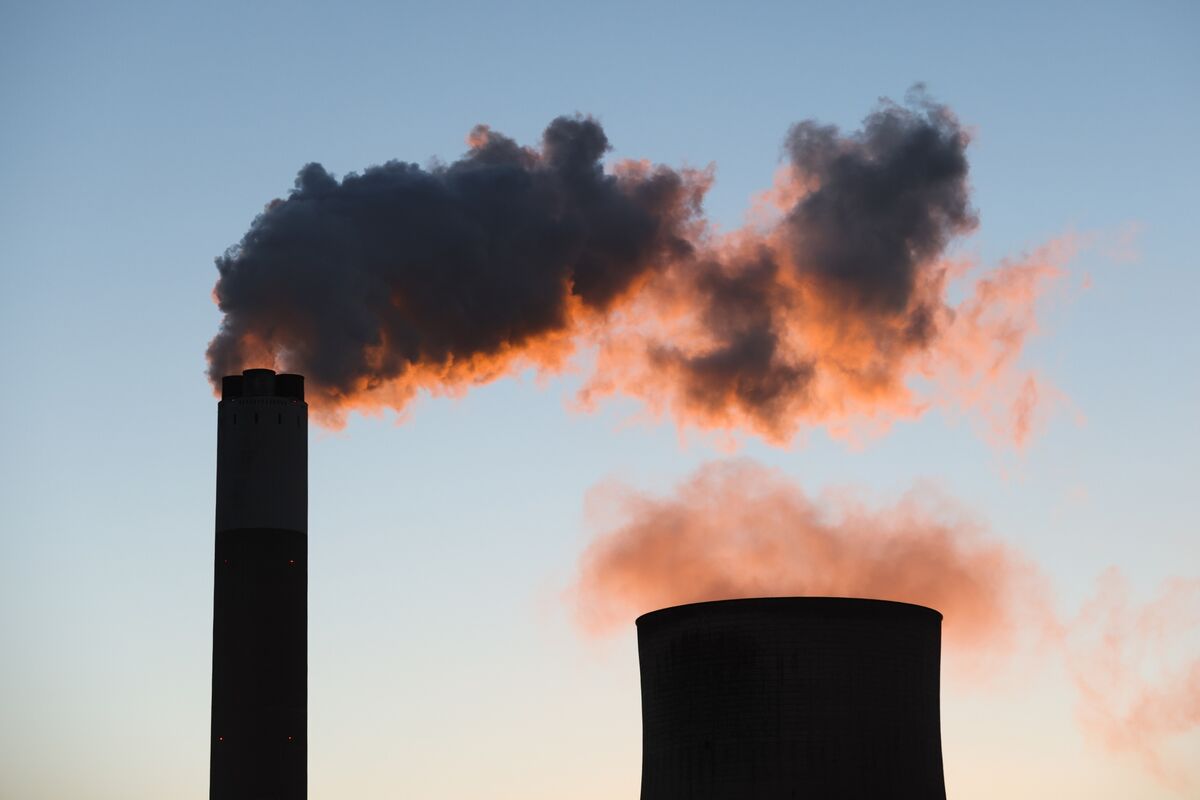
Despite the COP28 agreement to transition away from fossil fuels, over 60 countries have updated their climate pledges without incorporating concrete targets to reduce oil and gas production or phase out inefficient fossil fuel subsidies. This signals a significant gap between international climate commitments and national energy policy implementation, suggesting potential sustained reliance on traditional energy sources contrary to stated goals.
The global commitment made at COP28 two years ago to transition away from fossil fuels is facing significant implementation challenges. Over 60 countries updating their climate pledges have notably omitted concrete targets for reducing oil and gas production or phasing out inefficient fossil fuel subsidies. This highlights a substantial disconnect between international climate rhetoric and national energy policy action.
This policy inaction suggests a sustained reliance on traditional energy sources, contrary to stated climate goals, implying a slower-than-anticipated energy transition. The moderately negative sentiment and pessimistic tone surrounding this development underscore the challenges for renewable energy adoption and broader ESG initiatives. Consequently, this scenario may present headwinds for pure-play renewable energy investments.
Conversely, the continued, albeit indirect, support for fossil fuels could signal a more resilient demand profile for traditional energy commodities than some climate-driven models project. Investors should consider the implications for both energy sector allocations and the long-term viability of carbon-intensive assets.
AI-powered research, real-time alerts, and portfolio analytics for institutional investors.
Overall Sentiment
moderately negative
Sentiment Score
-0.50
