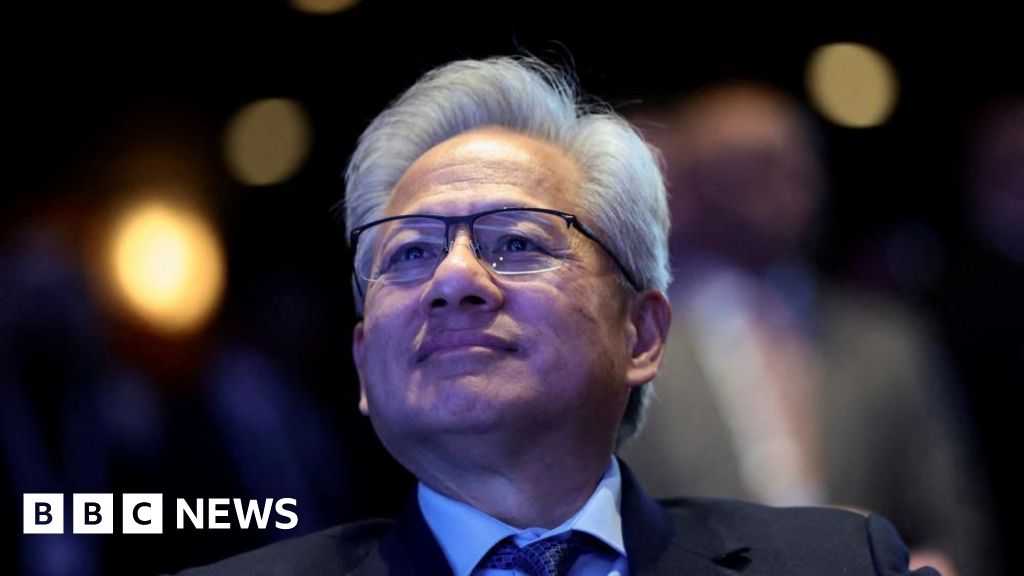
Nvidia unveiled Alpamayo, an open-source 'reasoning' AI platform aimed at enabling human-like decision-making in autonomous vehicles, and announced it has begun producing a driverless Mercedes‑Benz CLA powered by its stack with a US launch in coming months followed by Europe and Asia. The company also said its Rubin AI chips are in manufacture and due later this year, promising lower energy use and potential cost reductions for AI development; shares rose slightly after the CES presentation and analysts framed the move as deepening Nvidia's platform position in physical AI. With a market capitalization north of $4.5 trillion, the announcements reinforce Nvidia's strategic push into automotive autonomy and systems-level AI, signaling potential long-term revenue and ecosystem advantages despite limited near-term financial detail.
Market structure: Nvidia (NVDA) is the clear near‑term winner — platformizing AI + vehicle integration raises switching costs for OEMs and increases software and services TAM beyond chips. Direct beneficiaries: NVDA, Mercedes (as launch partner), cloud/edge compute partners and Tier‑1s who standardize on Nvidia stacks; potential losers include small pure‑play lidar or autonomous software vendors that rely on bespoke stacks and low volume pricing. The Rubin chip announcement implies downward pressure on marginal compute cost per inference, increasing demand elasticity for autonomous compute and tightening supply for advanced foundry capacity (TSMC) over 6–24 months.
Risk assessment: Tail risks include a single high‑profile autonomous crash or a regulatory clampdown (NHTSA/EU) triggering litigation and adoption delays; an adverse export control on advanced AI silicon to China is another low‑probability, high‑impact scenario. Immediate (days): muted stock moves; short (1–6 months): Mercedes CLA rollout and CES buzz; medium/long (6–36 months): Rubin chip launch and robotaxi pilot that will materially change revenue mix if converted to software/SaaS. Hidden dependencies: OEM integration cycles, validation/simulation datasets, and foundry capacity; open‑sourcing Alpamayo can accelerate competitors or partners depending on adoption.
Trade implications: Favor a controlled long NVDA position with defined option hedges to capture H2 Rubin catalyst and 2027 robotaxi optionality; consider long/short exposure vs AMD to isolate platform premium. Rotate modestly into semicap equipment names and select auto OEMs that signal deep Nvidia integration, while trimming exposure to pure lidar/hardware plays that may see reduced share of wallet. Use 6–9 month defined‑risk call spreads to capture upside without blowing out Vega exposure; enter within 2–6 weeks to align with product cadence and CES momentum.
Contrarian angles: Consensus underappreciates software monetization (licensing + robotaxi ops) which could shift gross margins +500–1,000 bps over 3 years if NVDA captures platform fees; conversely, the market may be overpaying for immediate growth — a regulatory incident or open‑source proliferation could compress multiples quickly. Historical parallel: Intel’s platform ambitions showed software+hardware lock‑in can produce winners but also invite regulatory and ecosystem pushback, a dual outcome to hedge for here.
AI-powered research, real-time alerts, and portfolio analytics for institutional investors.
Request DemoOverall Sentiment
moderately positive
Sentiment Score
0.40
Ticker Sentiment
