Barclays now expects the Fed's first 25bp rate cut in September 2026 (to 3.25%–3.50%) instead of June, and has pushed a second 25bp cut out to March 2027. The bank raised its inflation outlook—core PCE at 0.36% m/m in Jan, projected core PCE 2.8% Q4/Q4, and headline PCE at 3.4% YoY in Q2 remaining above 3% for the year—citing upside risks from the Iran conflict and surging oil prices; WTI futures imply only a partial reversal of gains by year-end. Barclays expects payroll gains to stay low and unemployment to move sideways before easing, and believes the FOMC will be reluctant to cut until clearer core inflation moderation is observed.
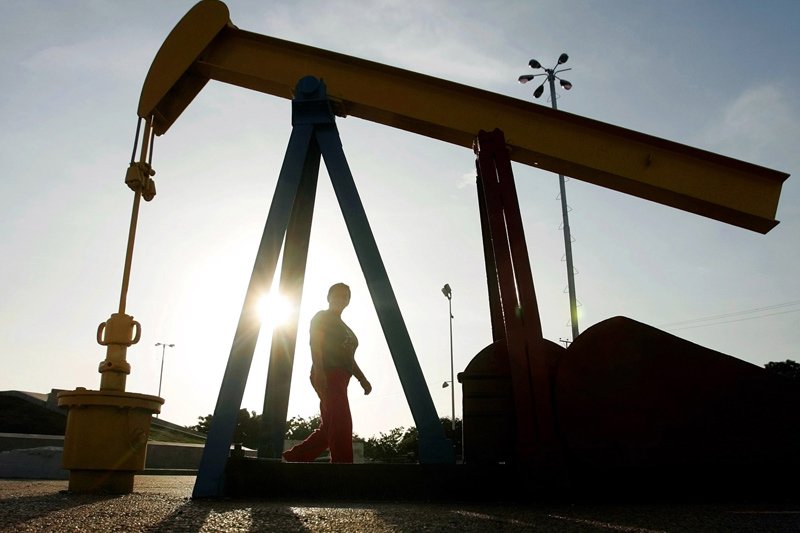
Higher and more volatile oil driven by Middle East risk re-prices near-term inflation uncertainty and forces a persistent premium on commodity-sensitive cashflows. That premium benefits E&P free cash flow and integrated upstream projects with low marginal lift timeframes (US shale and modular FID projects) while compressing margin profiles for energy-intensive industrials and transport, which face both higher input cost and potential demand elasticity on goods.
Longer-standing effects favor financials with conservative deposit franchises and rates-sensitivity in NIM, while duration assets (long-dated IG, core sovereign bonds, long-duration REITs) face elevated tail risk if the market re-anchors to a higher-for-longer real rate path. Corporate capex decisions in petrochemicals and refiners will likely defer large, lumpy investments for 6–18 months, perversely tightening product markets and supporting margins even if crude mean-reverts.
Key catalysts to watch are (1) a sudden supply-side shock (tankers blocked, new sanctions) that can move front-month oil $10–30 in days; (2) tactical policy action (US SPR release or OPEC+ incremental supply) that can compress the oil-risk premium within 30–90 days; and (3) unexpectedly rapid core deflation signals from services/case-level CPI that could force an earlier policy pivot. Tail scenarios are asymmetric: escalation produces rapid commodity and inflation repricing, while demand shocks or coordinated supply responses can unwind premiums faster than markets expect.
Consensus framing underestimates how persistent a commodity risk-premium can be even when growth slows — it changes the cross-sectional winners by compressing manufacturing throughput and favoring firms with price-setting power or short-cycle production. The optimal tactical posture is barbell: protect duration and growth exposure while selectively owning commodity-exposed cash generators with clear hedging optionality.
AI-powered research, real-time alerts, and portfolio analytics for institutional investors.
Request DemoOverall Sentiment
mildly negative
Sentiment Score
-0.25
Ticker Sentiment
