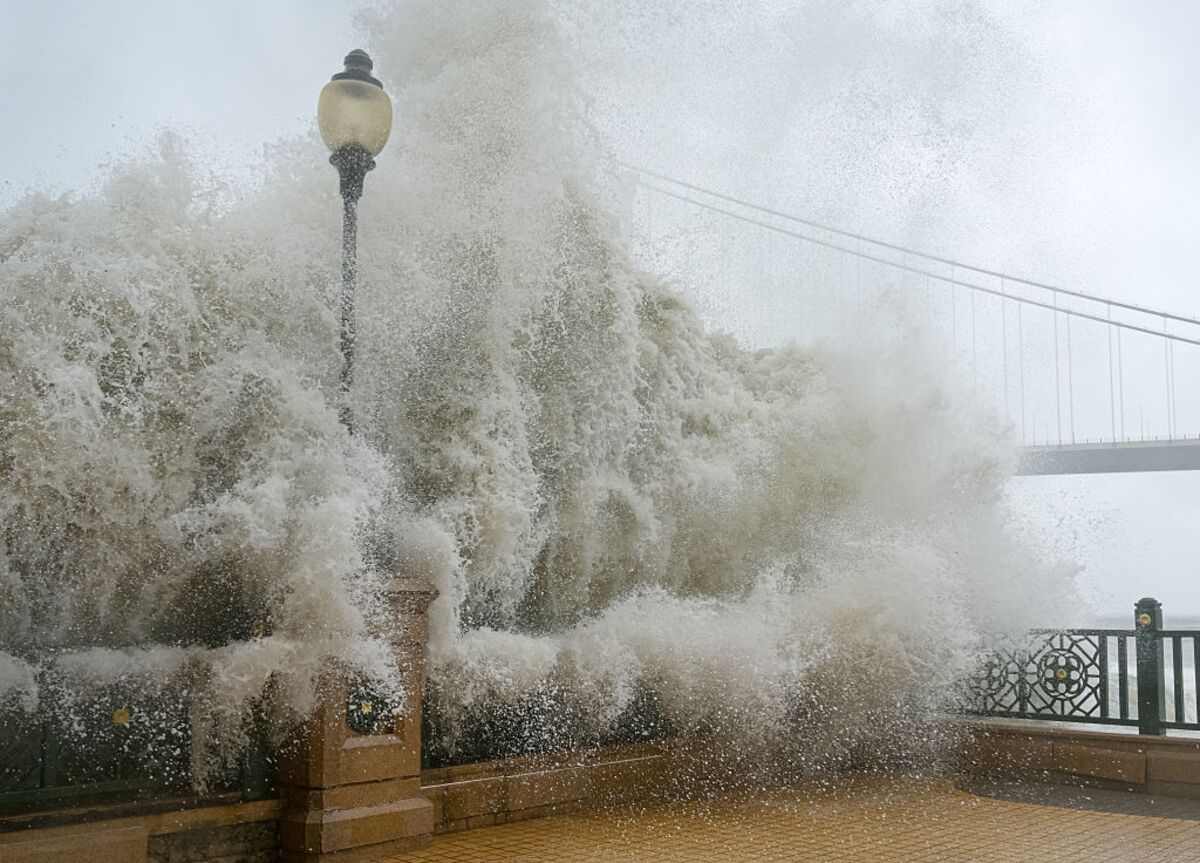
Hong Kong is currently experiencing Super Typhoon Ragasa, the most powerful cyclone this year, shortly after enduring a record five severe black rainstorm alerts in just over a week. This escalating frequency of extreme weather events, linked to rising global temperatures, is significantly testing the city's robust flood defenses and underscores increasing climate-related risks for critical infrastructure and economic stability in major financial hubs.
Hong Kong is facing a significant test of its structural and economic resilience from Super Typhoon Ragasa, noted as the year's most powerful cyclone. This event is not isolated but follows an unprecedented period of extreme weather, including a record-breaking five 'black rainstorm' alerts issued within a single week between late July and early August. The article explicitly attributes the increasing frequency and intensity of these storms to rising global temperatures, framing them as a direct consequence of climate change rather than a random occurrence. The immediate focus is on the performance of the city’s robust flood defenses, but the broader implication for investors is the escalating physical and financial risk to a major global financial hub. This pattern of severe weather signals the potential for increased business and supply chain disruptions, higher insurance premiums, and a need for substantial future capital expenditure on climate adaptation infrastructure, thereby altering the risk profile of assets exposed to the region.
AI-powered research, real-time alerts, and portfolio analytics for institutional investors.
Request DemoOverall Sentiment
strongly negative
Sentiment Score
-0.75
