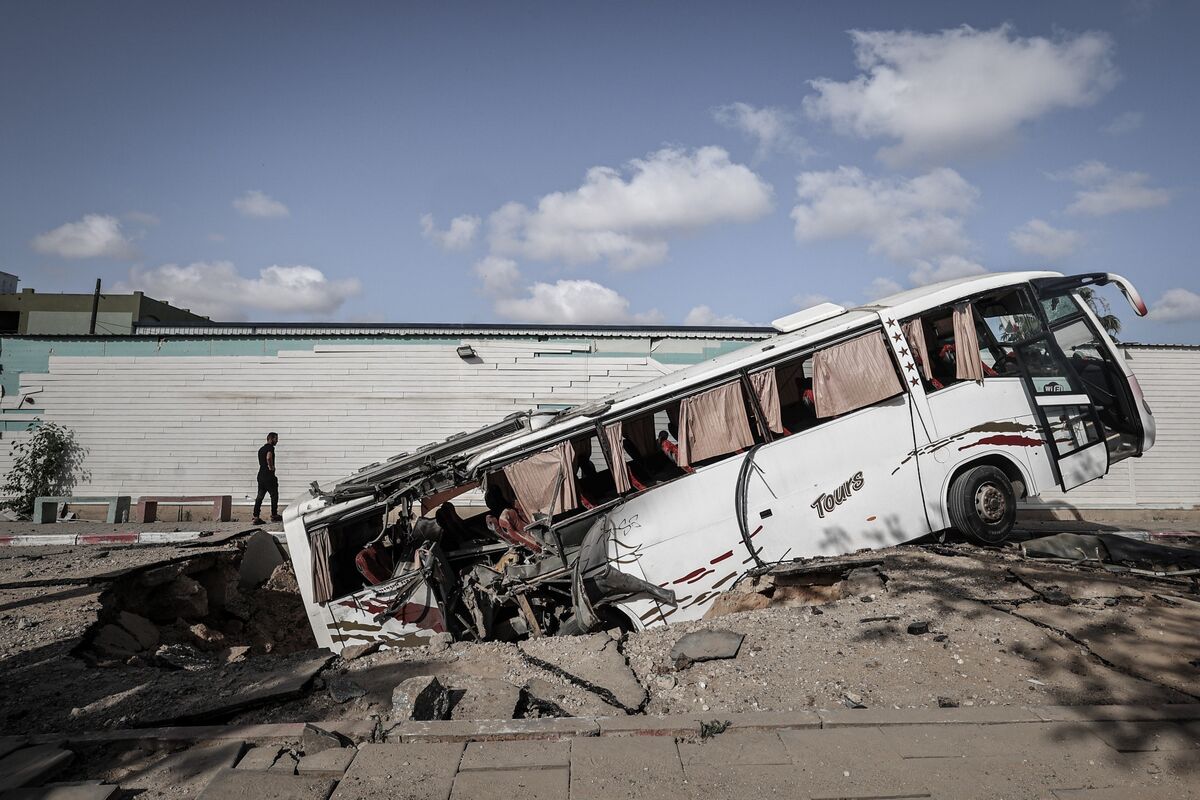
Israel has announced the death of Mohammed Sinwar, the brother and successor of deceased Hamas leader Yahya Sinwar, in recent military strikes, according to Prime Minister Benjamin Netanyahu. While Israel has confirmed the death, Hamas has not yet issued a statement on the matter. The elimination of a high-ranking Hamas commander could impact the group's operational capabilities and potentially influence ongoing conflict dynamics.
Israel has announced the killing of Mohammed Sinwar, reportedly the top Hamas commander in Gaza and successor to Yahya Sinwar, according to a statement by Prime Minister Benjamin Netanyahu. This claim, pertaining to recent Israeli military strikes, has not yet been confirmed by Hamas. The elimination of such a senior figure, if verified, would represent a significant development, potentially impacting Hamas's command structure and operational capabilities within Gaza. This event falls under the theme of 'Geopolitics & War' and carries a moderate market impact score of 0.45, suggesting that while the direct financial market repercussions might be contained, it adds to the prevailing geopolitical uncertainty in the Middle East and could influence regional stability and conflict dynamics.
AI-powered research, real-time alerts, and portfolio analytics for institutional investors.
Request DemoOverall Sentiment
neutral
Sentiment Score
0.00
