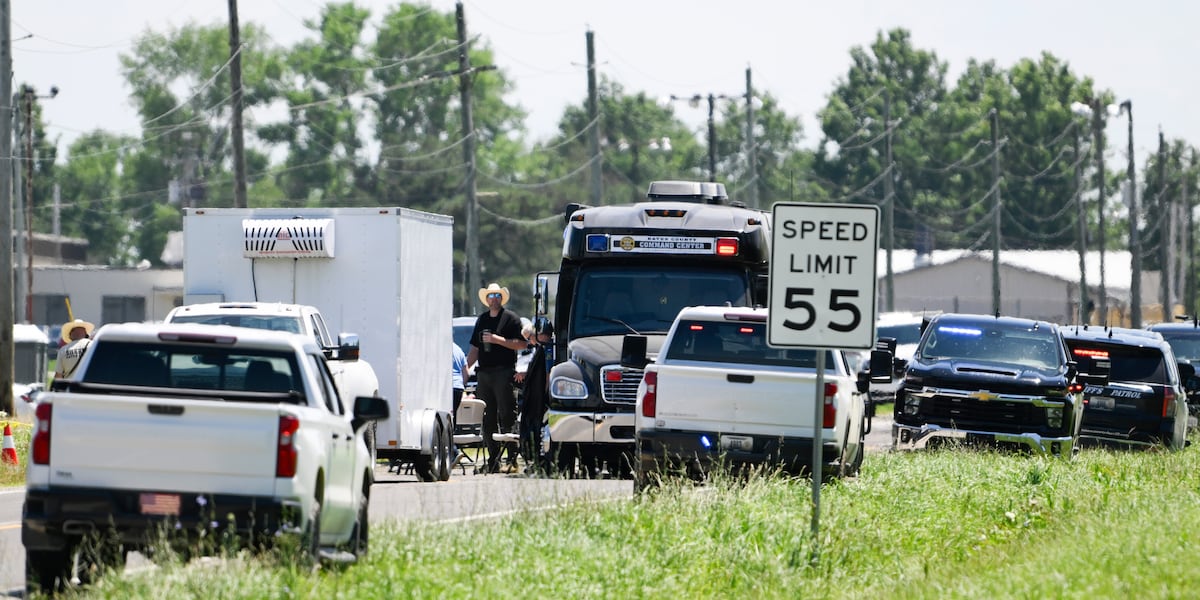
Twelve people were killed in a plane crash in Butler, Missouri, including 11 skydivers and 1 pilot. Authorities are still identifying victims and notifying families. The article is primarily a fatal transportation accident update with limited direct market impact.
This is a micro-event at the company-level but a meaningful sentiment shock for the broader tandem of leisure aviation, rural airfields, and small-charter operators. The immediate market effect is not direct fundamental damage to listed aerospace names, but a fast-moving reputational overhang that can tighten underwriting, raise liability reserves, and prompt local regulators to slow permitting or inspection cycles. That second-order friction tends to hit the weakest operators first: small, levered businesses with limited fleet redundancy and poor safety optics.
The bigger medium-term implication is for insurance and municipal risk tolerance. Even when the underlying accident rate changes little, catastrophic visible incidents can cause outsized repricing in aviation liability, especially for niche recreational operators, flight schools, and small airports that rely on cheap coverage and recurring local approvals. Expect the impact to show up over weeks to months as higher premiums, tighter exclusions, and potentially fewer aircraft available for rent or lease in secondary markets.
For listed travel/leisure proxies, this is more about demand perception than earnings. Skydiving, adventure travel, and small-group excursion spending are highly discretionary, so any near-term booking softness can spill over to adjacent experiential businesses if the story gets national pickup. The contrarian read is that investors may overestimate the persistence of the demand hit; unless there is evidence of broader operational issues, the event is likely to remain localized, making any selloff in diversified leisure names a better fade than a thesis break.
The cleanest tradable angle is to express caution via options rather than directional equity shorts, because the fundamental bleed is indirect and likely capped. The highest-probability edge is in insurers and specialty aviation lessors if media coverage broadens, while the fastest reversal would come from prompt identification of a non-systemic cause and no follow-on regulatory findings. Absent that, the risk window is days for sentiment, weeks for underwriting, and months only if investigation reveals maintenance or oversight failures that generalize to the sector.
AI-powered research, real-time alerts, and portfolio analytics for institutional investors.
Request DemoOverall Sentiment
extremely negative
Sentiment Score
-0.95
