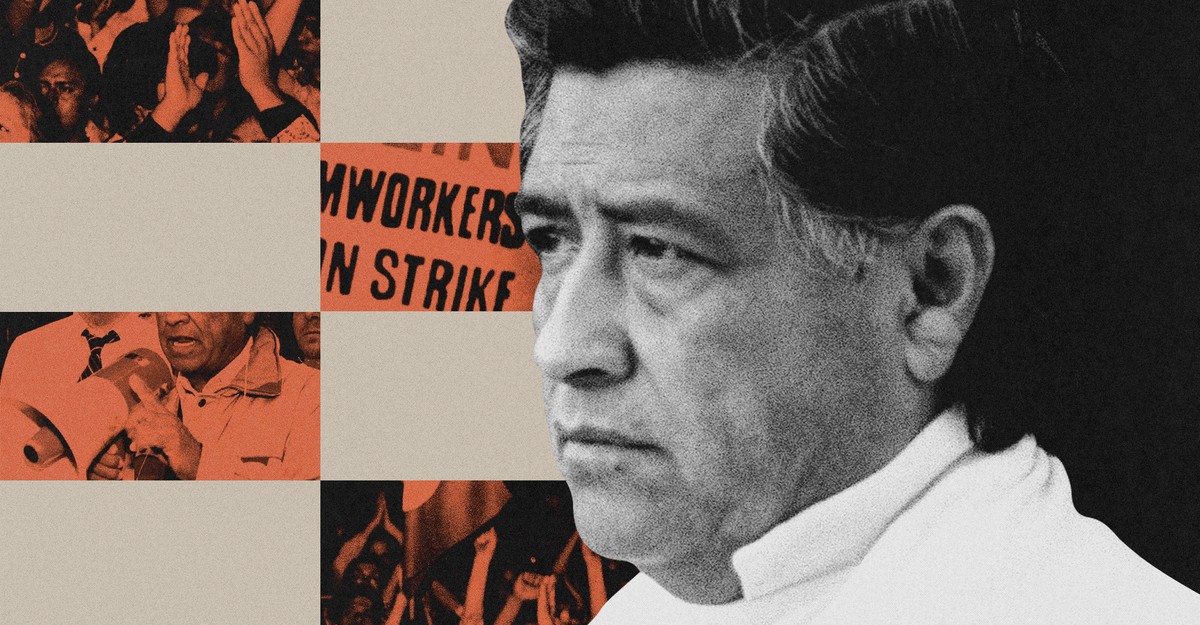
A New York Times investigation alleges Cesar Chavez sexually abused minors and raped fellow organizer Dolores Huerta, triggering major reputational damage to a once-revered historical figure. The article emphasizes preserving the accomplishments of the United Farm Workers and the broader farmworker movement while reassessing leadership, governance models, institutional namings, and support for victims. For investors, this is largely reputational/social risk with minimal direct market impact but could affect institutions, memorials, and donor sentiment tied to Chavez-linked entities.
The immediate marketable effect is not the biographical scandal itself but the governance and funding reallocation that follows: institutions and donors will accelerate renaming, increased background checks, and earmarked grants to organizations with stronger independent oversight. Expect concentrated activity in the next 4–12 weeks as campuses and municipal bodies move quickly to distance themselves, producing measurable one-off costs (committees, legal reviews, signage) and a small but visible PR arbitrage window for communications and legal-advisory boutiques.
Over the medium term (3–18 months) the larger second-order impact is a governance premium for newsrooms and NGOs that can credibly demonstrate investigative independence and robust safeguarding policies. That raises the marginal lifetime value of subscribers and donors to outlets that break or responsibly handle these stories, while punishing ad-dependent publishers and poorly governed institutions; relative revenue share can move 5–15% in favor of trusted brands over a year if the cycle sustains.
Politically, Latino voter mobilization strategies will shift away from personality-centric appeals toward distributed, local leadership and policy-first organizing — a multi-year reallocation of political capital that benefits younger, grassroots groups and technology platforms enabling micro-donations and localized canvassing. Tail risks: a rapid counter-narrative or legal reversals could blunt reputational momentum within months, while sustained disclosures could trigger class-action or regulatory probes extending the timeline to years and materially raising compliance spend across universities and unions.
AI-powered research, real-time alerts, and portfolio analytics for institutional investors.
Request DemoOverall Sentiment
moderately negative
Sentiment Score
-0.35
Ticker Sentiment
