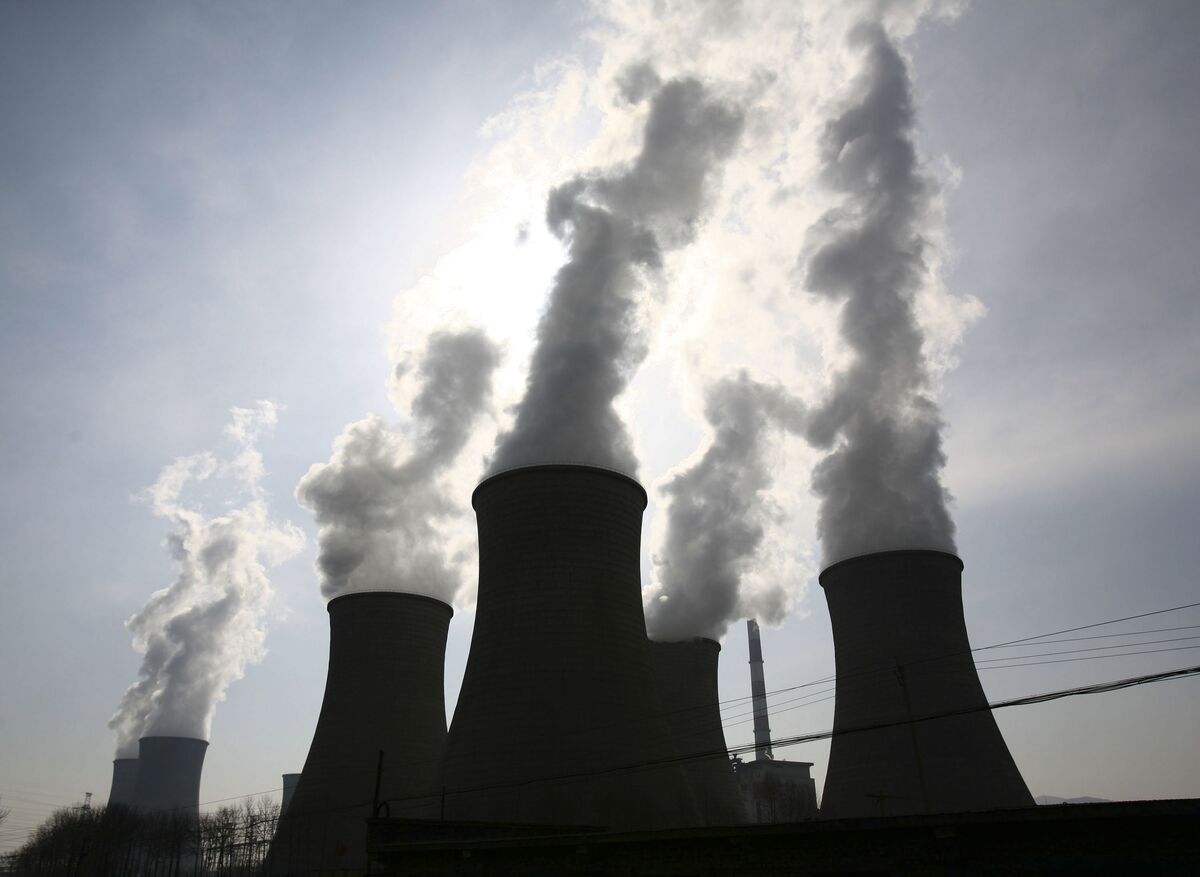
Chinese thermal coal spot prices in Qinhuangdao have surged to a five-month high of 678 yuan ($94) per ton, an 11% increase from June's four-year trough. This sharp rebound is attributed to supply disruptions from heavy rainfall in mining regions coinciding with elevated demand for power generation due to extreme heat, significantly tightening the market after a period of high inventories and increased renewable energy adoption.
Chinese thermal coal spot prices have demonstrated significant recent strength, reaching a five-month high of 678 yuan ($94) per ton at the Qinhuangdao benchmark. This represents a sharp 11% rebound from a four-year low recorded in June. The price surge is attributed to a combination of supply and demand pressures: heavy rainfall in key mining regions is disrupting production, while concurrent heatwaves are elevating power demand for cooling. This rapid market tightening contrasts sharply with conditions in the first half of the year, when record output and greater adoption of renewables led to high inventories and depressed prices. The current situation underscores the market's sensitivity to short-term weather-related disruptions and highlights the continued critical role of coal in meeting peak energy demand, even amidst a broader transition to renewable sources.
AI-powered research, real-time alerts, and portfolio analytics for institutional investors.
Request DemoOverall Sentiment
moderately positive
Sentiment Score
0.40
