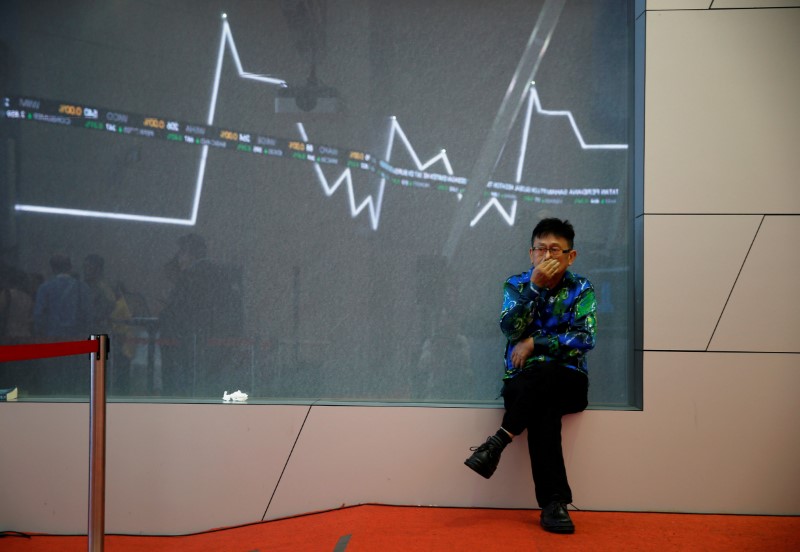
Indonesia's IDX Composite fell 0.95% as financials, infrastructure, and agriculture dragged the market lower, with decliners outnumbering advancers 488 to 218. Notable losers included Arkora Hydro (-14.84%), Wilmar Cahaya Indonesia (-13.67%), and Kioson Komersial Indonesia (-12.96%), while Pratama Widya jumped 24.74% to a 5-year high. In commodities and FX, Brent slipped 0.21% to $77.36, gold dropped 1.98% to $4,119.42, and USD/IDR rose 0.32% to 17,872.90.
This looks like a classic risk-off tape where macro translation matters more than local headlines. A firmer dollar against IDR, softer gold, and flat-to-lower oil argue for tighter regional liquidity and less appetite for domestic beta; that tends to hit balance-sheet-sensitive sectors first because funding costs and refinancing risk reprice faster than earnings do. The fact that decliners overwhelmingly outnumbered advancers suggests the move is not stock-specific but flow-driven, which often persists for several sessions unless FX or global risk reverses.
The most important second-order effect is on companies with imported input costs or USD liabilities: even a modest IDR depreciation can compress margins and raise working-capital needs within one reporting quarter. Conversely, exporters and firms with hard-currency revenues should get relative support, but only if their local cost base does not re-accelerate with imported inflation. In practice, the market is likely underestimating the spread between cash generative businesses and leveraged domestic cyclicals over the next 1-2 months.
The sharp move in the solar/hydro-adjacent names and select agriculture names may be overdone relative to the commodity backdrop; those are often crowded retail holdings, so price action can be exaggerated by forced selling rather than fundamentals. If the dollar keeps grinding higher and global rates stay sticky, the next leg of weakness usually comes from mid-cap infrastructure and domestic financials rather than mega-caps. Any reversal likely needs either a sustained IDR recovery or a broader bounce in EM risk assets, not just local oversold conditions.
AI-powered research, real-time alerts, and portfolio analytics for institutional investors.
Overall Sentiment
mildly negative
Sentiment Score
-0.20
Ticker Sentiment
