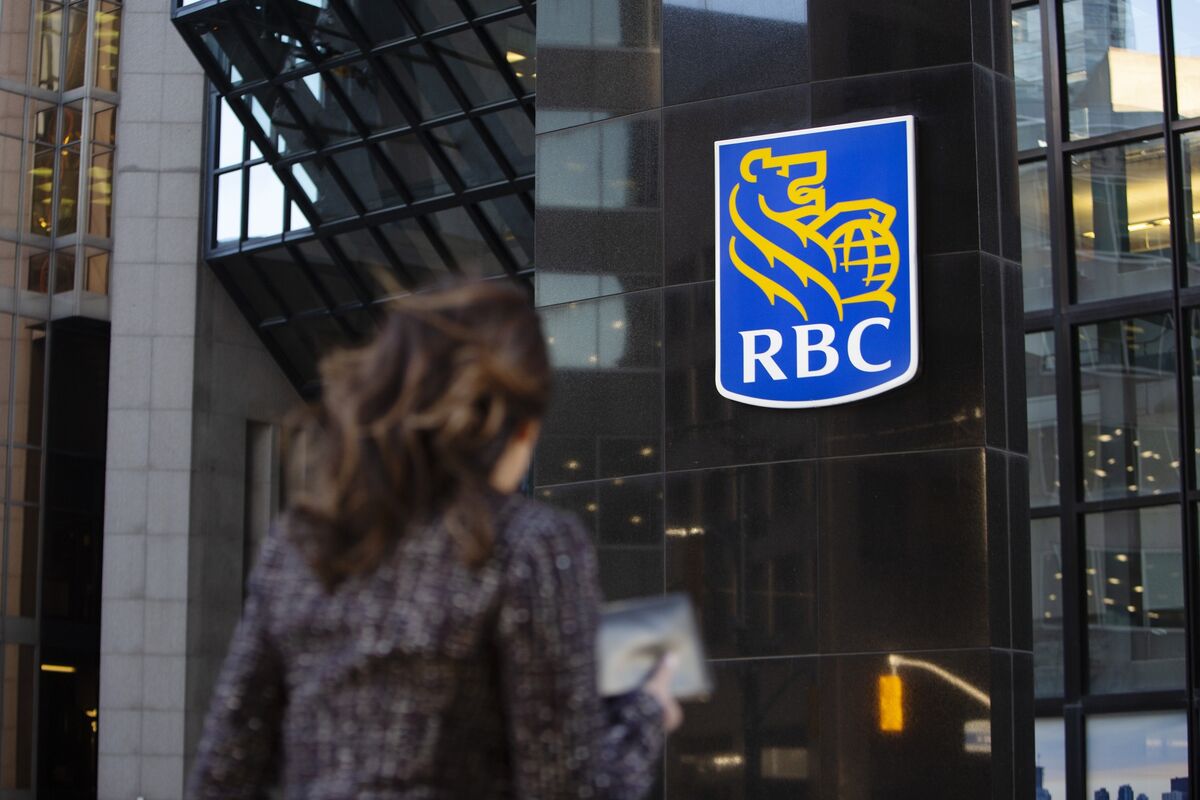
A former managing director in RBC Capital Markets LLC’s equity capital markets group, Jennifer Caruso-Jones, 54, filed a federal suit in Manhattan alleging over 13 years she was paid hundreds of thousands of dollars less than male peers and saw her bonus cut by 30% after taking maternity leave. Royal Bank of Canada denies that its U.S. capital-markets business fostered a “boys’ club” or engaged in sex-based discrimination. The case presents reputational and potential legal risk for RBC’s U.S. investment-banking arm but, as a single plaintiff civil claim, is unlikely to trigger immediate material financial impact absent broader litigation or regulatory escalation.
Market structure: Idiosyncratic reputational damage to RY’s U.S. capital-markets franchise creates a narrow winner set — regional Canadian peers (BNS, TD, BMO) and boutique ECM banks can win fee pool share if mandates shift; fee pressure for RBC’s U.S. ECM could compress margins 1–3% on that line over 2–4 quarters. Cross-asset signals are muted but measurable: expect a 5–10bp widening in RY senior/sub debt spreads and a 15–25% bump in near-term equity implied volatility for RY over 30 days, with negligible macro FX/commodity impact unless escalation affects credit markets more broadly.
Risk assessment: Tail outcomes include class-action aggregation or a regulator probe (EEOC/DOJ/SEC) that could trigger fines, remediation costs and loss of mandates — a low-probability scenario that could cost $300M–$1B and knock 5–12% off RY equity in 6–12 months. Immediate horizon (days): elevated headline-driven volatility; short-term (weeks–months): discovery/legal spend and client churn risk; long-term (quarters–years): governance changes, higher HR costs and potential pipeline shifting if senior women exit. Hidden dependencies: U.S. ECM deal pipeline concentration, key client relationships tied to individual bankers, and incentive-plan disclosures that may surface in discovery.
Trade implications: Tactical, size-constrained bearish exposure is preferred — small equity shorts or defined-cost option hedges rather than outright large positions. Preferred implementations: 1–2% portfolio directional short RY or a long-BNS/short-RY pair to isolate idiosyncratic legal risk; buy 3–6 month put spreads to cap premium outlay and monetize elevated IV. Timing: initiate within 5–15 trading days; escalate only on regulatory filings or additional plaintiffs within 60–90 days.
Contrarian angles: Consensus underestimates balance-sheet insulation from Canadian retail operations — absent regulatory escalation RY downside is likely capped and mean-reversion probable within 3 months. Historical parallels (single-plaintiff bank suits) show limited long-term equity damage unless regulators join; that argues for limited, option-limited positions to exploit over-priced near-term volatility and avoid getting run-over by a fading story.
AI-powered research, real-time alerts, and portfolio analytics for institutional investors.
Request DemoOverall Sentiment
moderately negative
Sentiment Score
-0.35
Ticker Sentiment
