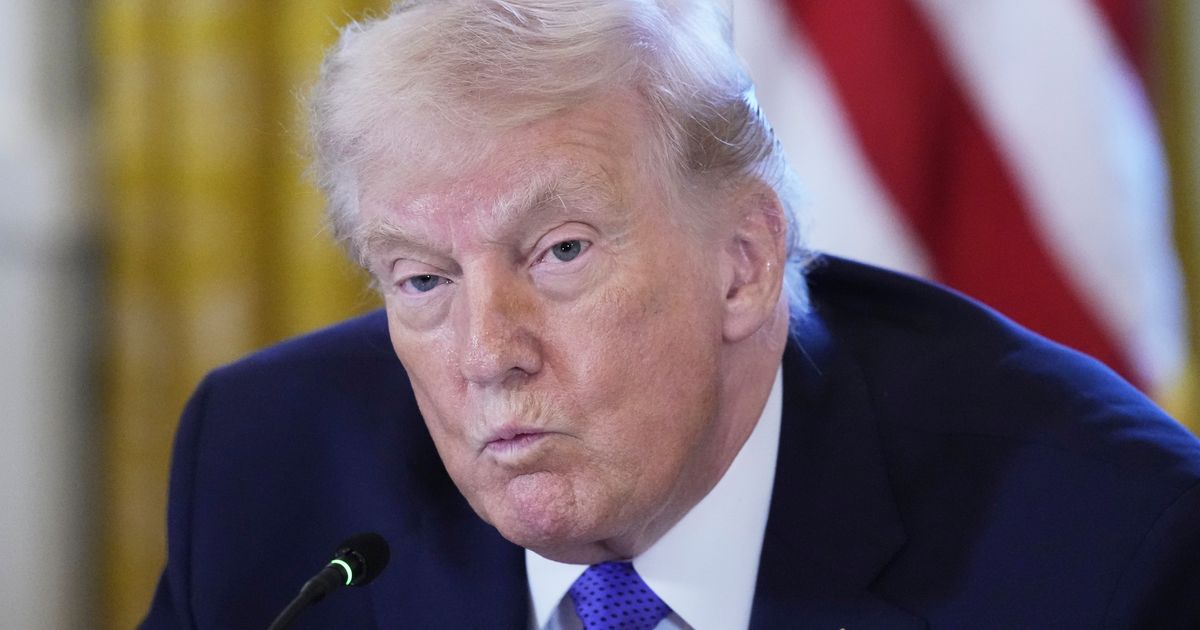
U.S. forces have been seizing Venezuelan tankers after the ouster of Nicolás Maduro, effectively cutting off Venezuelan oil shipments that had been sustaining Cuba; President Trump warned Havana that there will be "no more oil or money" and urged a deal without elaborating. The operation—which Cuba says killed 32 of its security personnel in Caracas—elevates geopolitical and emerging‑market risk, with potential regional energy‑flow disruptions and economic strain in Cuba and Venezuela that investors should monitor for shifts in energy prices and risk premia.
Market structure: Cutting Venezuelan shipments and threats to Cuba remove ~0.5–1.0 mb/d of crude from the open market in the near term, shifting pricing power to large integrated producers (XOM, CVX) and U.S. shale that can flex production. Winners include tanker owners of VLCC/aframax capacity (e.g., NAT) and defense contractors (LMT, RTX) via higher geopolitical risk premia; losers are EM importers, Caribbean refiners that take heavy sour crude, and regional FX (BRL, COP) via capital flight.
Risk assessment: Tail scenarios include maritime escalation (attacks on tankers) or wider regional conflict that could push Brent >+$30 from current levels within weeks and spike tanker insurance rates 2x–3x; a softer tail is rapid OPEC+ offsetting production. Immediate (days) risk is volatility in futures and freight; short-term (weeks–months) is supply reallocation and inventory draws; long-term (quarters) is structural realignment if sanctions become permanent. Hidden dependencies: re-routing increases voyage days and freight-inflated oil-on-water, masking true supply tightness.
Trade implications: Favor tactical oil exposure (WTI/Brent) and integrated majors while hedging EM and equities. Use 3-month call spreads on Brent to express a 15–25% upside, establish 2–3% long positions in XOM/CVX (add if Brent >$90), buy 1–2% GLD as geopolitical hedge, and cut EM beta by 2–3% (short EEM or buy EMB puts). Monitor EIA weekly stocks and OPEC statements as 48–72h catalysts.
Contrarian angle: The market may overstate structural loss—Venezuela’s baseline production was already impaired, and OPEC+ can supply-backfill ~0.5–1.0 mb/d within 4–12 weeks; energy rallies could be mean-reverting like 2019 tanker incidents (Brent +10% then -25% over 3 months). Consider pair trades (long XOM, short EEM) to isolate oil upside while hedging EM downside, and cap upside exposure with defined-risk options to avoid reversal risk.
AI-powered research, real-time alerts, and portfolio analytics for institutional investors.
Request DemoOverall Sentiment
moderately negative
Sentiment Score
-0.45
