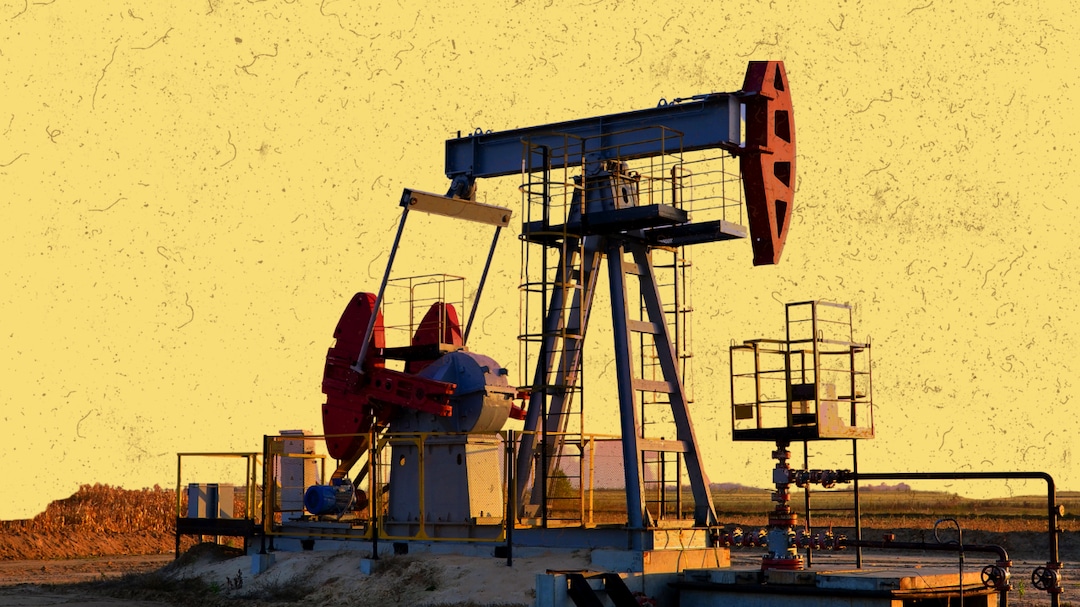
Nearly $920 million of crude oil shorts were reportedly placed about 70 minutes before an Axios report that the US and Iran were nearing a 14-point memorandum of understanding, raising concerns about possible information asymmetry or market manipulation. Oil fell more than 12% by 7:00 AM ET, implying about $125 million in profits for the short sellers, before rebounding nearly 8% after new Iran-related developments. A separate episode saw roughly $2 billion of oil and equity futures trades minutes before Trump remarks, intensifying scrutiny of unusual pre-announcement positioning.
The market is not just reacting to geopolitics; it is pricing the possibility that information edge has become a tradable factor in oil again. If these prints were informed rather than coincidental, the real story is a short-duration volatility regime shift: front-end crude becomes a calendar-event market where overnight liquidity, not fundamentals, sets the first move. That tends to punish passive longs, reward options, and create a feedback loop where every new diplomatic headline widens the intraday range in both directions.
Second-order winners are less obvious than the oil shorts. Refiners, airlines, and transport-heavy equities can outperform for days if crude stays bid-ask unstable but directionally lower on headlines, because their input-cost hedge ratios improve faster than sell-side earnings models update. Conversely, upstream producers with high beta to prompt crude may see their cash-flow sensitivity overshadowed by policy risk; investors will start demanding a higher geopolitical discount rate, compressing multiples even if spot prices recover quickly.
The key risk is that this becomes a binary event stream rather than a trend. A single hard-denial, failed negotiation, or strike-related escalation can reverse the move in hours and reprice the entire curve, especially if traders are leaning short prompt oil after headline profits. The more interesting horizon is 2-6 weeks: if diplomacy keeps advancing, implied vol should decay faster than realized spot risk, which creates an opportunity to sell expensive protection or structure defined-risk bearish positions in crude-linked names.
Consensus is likely overestimating how durable any immediate price collapse is and underestimating how much of the move was position-driven rather than supply-demand driven. If the market is simply front-running headline flow, the first move lower in crude may be the least investable part of the trade; the better edge is to fade overreaction in quality energy equities while staying structurally bearish on front-month oil via options. In other words, trade the volatility, not the narrative.
AI-powered research, real-time alerts, and portfolio analytics for institutional investors.
Request DemoOverall Sentiment
mildly negative
Sentiment Score
-0.20
