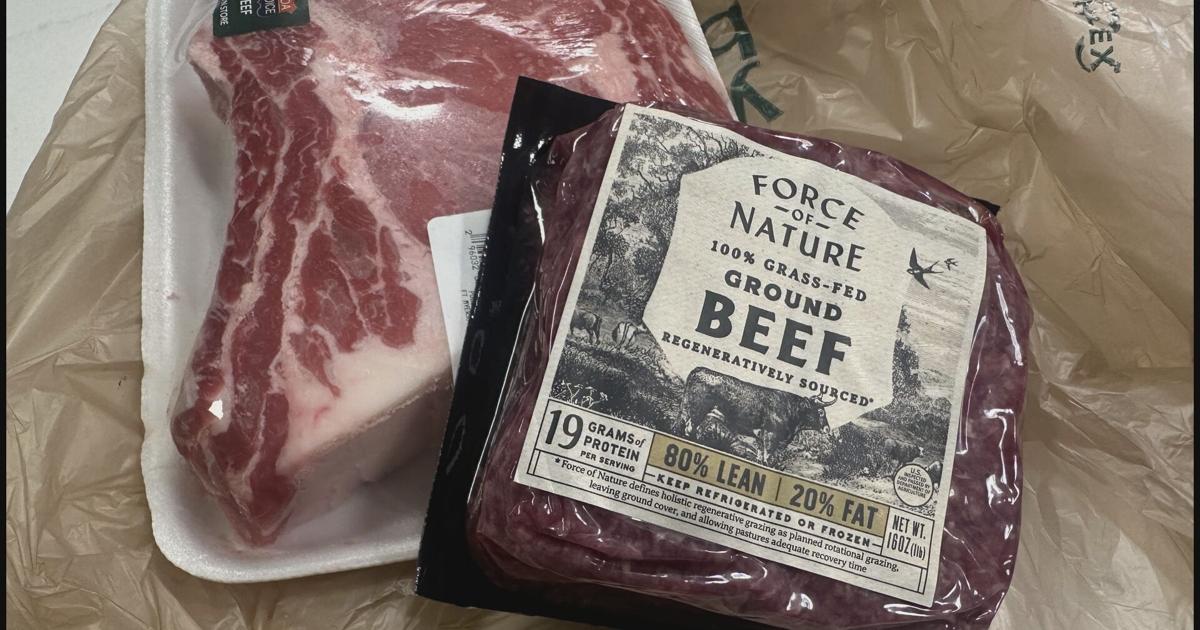
Beef prices have surged nearly 20% over the last year, with steak and chuck roast prices up nearly 20% and lean ground beef up 12.7%, while the cost of beef is at least $1 per pound higher across the board. Chicken is comparatively cheaper, with breast prices down 0.3% and bone-in legs down 4.3%, encouraging shoppers to switch proteins or hunt for sales. The USDA also says fresh vegetables and beef are among the fastest-rising food categories in 2026, up more than 3% from March to April.
This is a classic input-cost squeeze that is more important for mix than for headline inflation: protein inflation tends to push households toward substitution before it shows up in top-line retail weakness. The near-term winner is chicken, but the bigger second-order effect is margin divergence across grocers and mass merchants depending on how much beef is sold through promotions versus everyday low price; retailers with tighter pricing discipline should preserve gross margin better than those using meat as a traffic driver.
For WMT, the direct read is mildly negative rather than severe because the business can usually offset basket pressure with share gains and private label mix, but the risk is that higher beef prices reduce cross-category trip spend and compress discretionary attach rates. If consumers trade down from beef to chicken, the basket dollar value can still fall even if units hold, which is a subtle headwind for samestore sales quality over the next 1-2 quarters.
The more interesting macro implication is that this is not just food inflation; it is a signal of livestock supply tightness that can persist for multiple quarters because herd rebuilding is slow. That means the trade is less about a one-month CPI print and more about margin math for food retailers, restaurants, and packaged food names with beef exposure; if inputs stay elevated while consumer wage growth cools, the second derivative turns negative for demand. The contrarian view is that some of the move may already be partially absorbed via menu redesign, smaller pack sizes, and promotion cadence, so the biggest downside may come from volume elasticity rather than sticker shock.
Catalyst-wise, watch for a reversal if feed costs ease, slaughter weights rise, or retailers start to aggressively promote protein to defend traffic into a weaker consumer environment. If that happens, beef prices can normalize faster than the market expects, but until then the path of least resistance is continued category substitution into chicken and away from premium cuts.
AI-powered research, real-time alerts, and portfolio analytics for institutional investors.
Request DemoOverall Sentiment
mildly negative
Sentiment Score
-0.28
Ticker Sentiment
