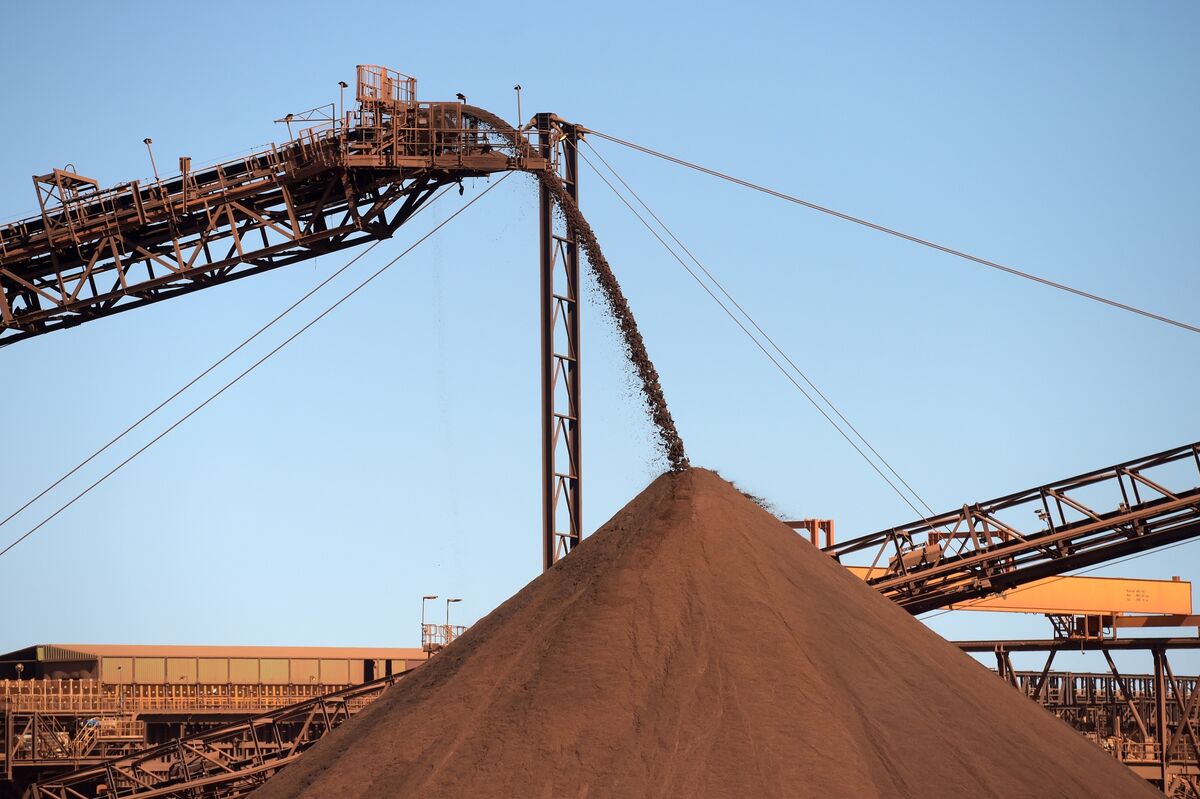
Fortescue is reportedly close to finalizing a long-term iron ore supply agreement with China Mineral Resources Group, following a similar BHP deal that ended months of negotiations. The company is currently operating under short-term extensions while talks continue. The update is supportive for Fortescue and the broader iron ore trade relationship, but it is not yet a signed agreement.
This looks less like a company-specific earnings event and more like a pricing-regime normalization for seaborne iron ore. Once the dominant Chinese buyer moves from ad hoc extensions to a durable framework, the main economic effect is lower negotiation volatility and a modest compression in the “scarcity premium” that has benefited the most leveraged producers during periods of Chinese procurement tension. That is incrementally negative for pricing power, but positive for volume visibility and working-capital planning across the supply chain.
The second-order winner is probably not the producer most in focus here, but the rest of the supply chain: Chinese mills and downstream steel-linked industrials gain better cost certainty, which should reduce spot volatility in finished steel margins over the next 1-3 quarters. For diversified miners, a stable settlement environment lowers the probability of abrupt shipment disruptions or discounting games, which is mildly supportive of valuation multiples even if realized ore prices soften at the margin.
The main risk is that the market over-reads the headline as bearish for iron ore when the larger signal is actually governance-related: China is trying to institutionalize purchasing leverage, not necessarily to force a near-term price reset. If the agreement lands without volume concessions, the move in miners could mean-revert quickly; if it embeds lower reference pricing, the impact on high-cost incumbents would show up first in 6-12 months through margin pressure and weaker buybacks. The catalyst to watch is the next round of annual contract pricing and any sign that Chinese procurement coordination is spreading beyond iron ore into other bulk commodities.
Contrarian view: consensus may be too focused on spot-price implications and underestimating how much this reduces tail risk for diversified miners. For high-quality low-cost names, the removal of negotiation overhang can matter more than a small decline in realized pricing, because it supports capital return durability and de-risks the equity story into year-end.
AI-powered research, real-time alerts, and portfolio analytics for institutional investors.
Request DemoOverall Sentiment
neutral
Sentiment Score
0.15
Ticker Sentiment
