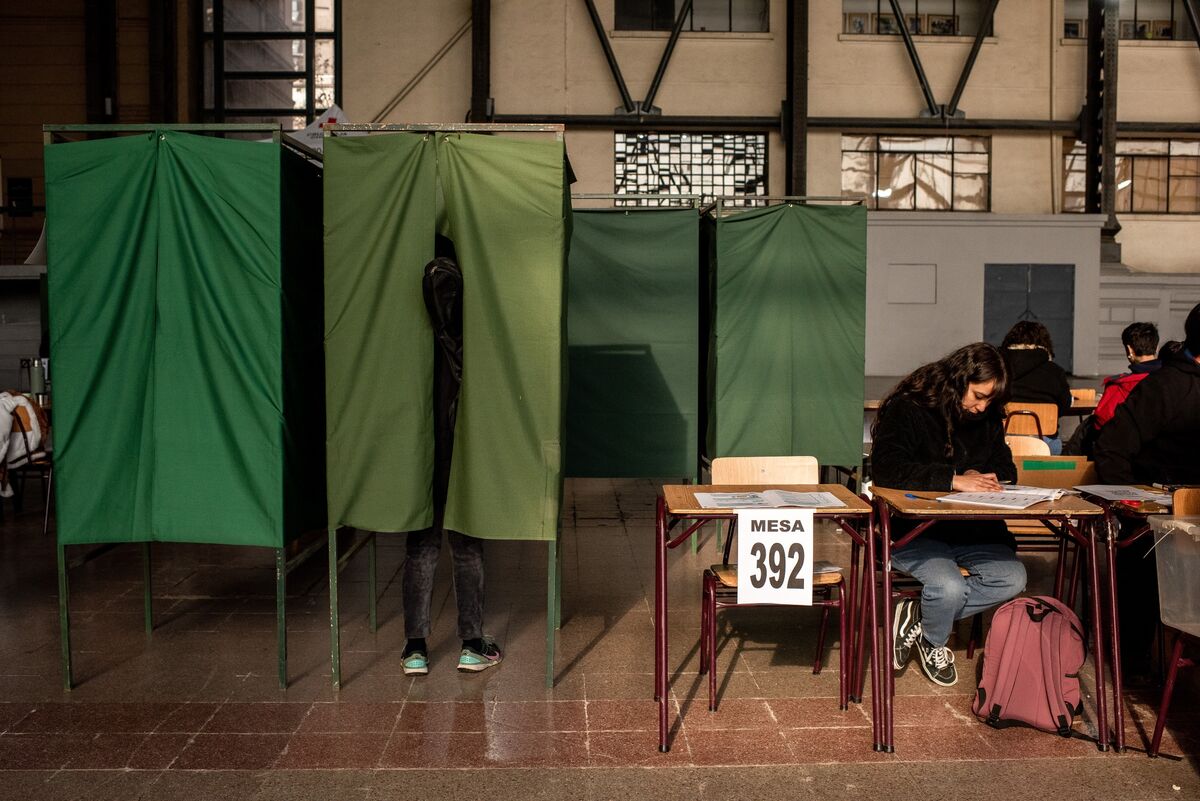
Chile's Congress is advancing plans to mandate voting in the upcoming presidential election, imposing fines up to 103,000 pesos ($136) for non-compliance, a move expected to benefit ultra-conservative candidate Jose Antonio Kast. This historic shift to compulsory voting, facilitated by automated registration, could significantly alter the political landscape and potentially influence future policy direction in the country.
Chile is poised to fundamentally alter its electoral landscape by instituting mandatory voting for the upcoming presidential election, a first in the country's history. Congress is expected to approve legislation imposing a fine of up to 103,000 pesos ($136) on non-voters, which, combined with automated voter registration, effectively compels participation from all eligible citizens and long-term residents. The most significant immediate implication identified is the potential advantage this confers upon ultra-conservative candidate Jose Antonio Kast. This suggests that compulsory turnout is anticipated to mobilize a demographic that favors his platform, introducing a material factor that could shift the election's outcome. For market participants, this development heightens political uncertainty and signals the potential for a significant pivot in Chile's policy direction, which carries direct implications for economic management, regulation, and investor sentiment.
AI-powered research, real-time alerts, and portfolio analytics for institutional investors.
Request DemoOverall Sentiment
neutral
Sentiment Score
0.00
