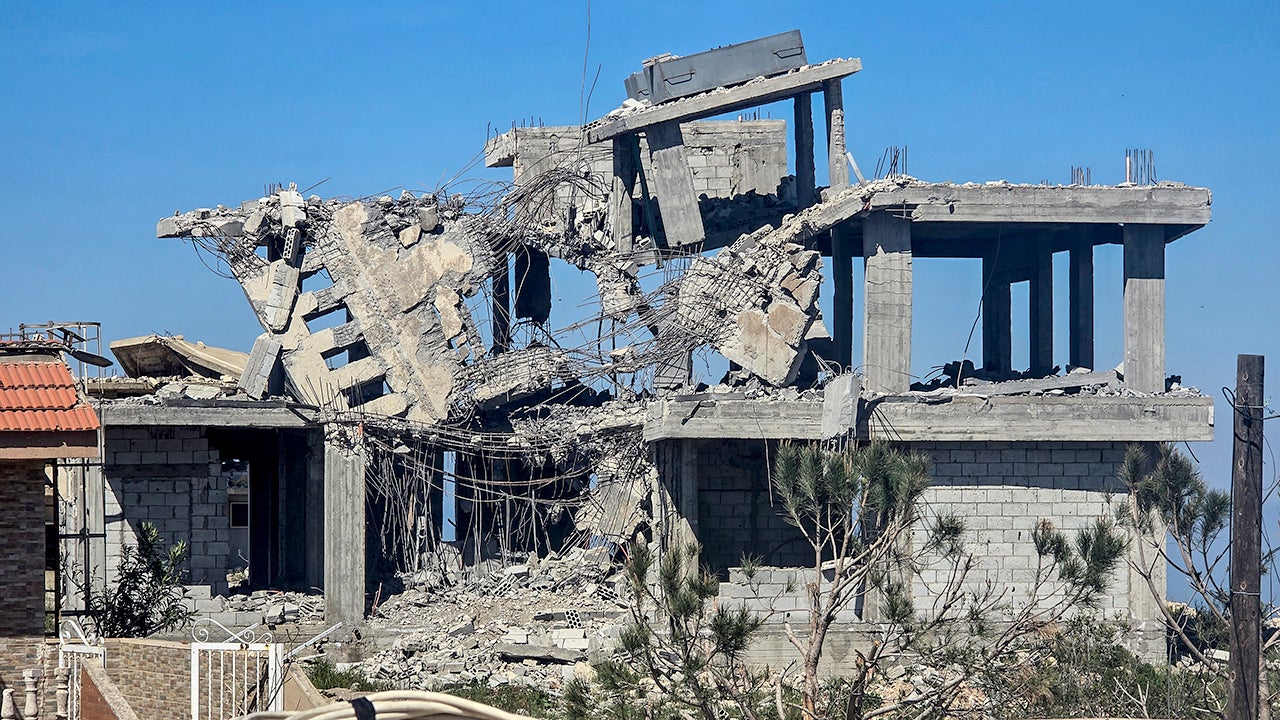
The article describes a major escalation in the Iran conflict, including U.S. naval action in the Strait of Hormuz, Iran’s reported seizure of ships, and continued U.S. blockade enforcement that has already redirected 33 vessels. It also says the U.S. stopped and boarded the sanctioned tanker M/T Majestic X transporting Iranian oil, underscoring ongoing sanctions enforcement and disruption to shipping lanes that carry about 20% of global oil in peacetime. The geopolitical risk is elevated for energy markets, maritime logistics, and broader risk assets.
The market’s first-order read is “higher oil, higher defense, lower risk appetite,” but the more important second-order effect is a forced repricing of maritime optionality. Even if actual barrel losses remain contained, the repeated interdictions, seizures, and mine-clearing posture create a persistent premium in tanker insurance, freight rates, and routing efficiency across the Gulf-to-Asia corridor; that is inflationary for global refined product balances and disinflationary for industrial activity with a lag. In that setup, the winners are less the obvious headline defense primes and more the less visible beneficiaries of route elongation: offshore service providers, marine insurers/reinsurers, and U.S. LNG exporters whose relative arbitrage improves if Asian buyers hedge away from Middle East exposure.
The key risk is not one all-out war headline; it is a long tail of “managed escalation” that keeps energy markets tight without resolving the trade corridor. That is a bad mix for cyclicals because it suppresses freight certainty, delays capex, and can trigger inventory hoarding by refiners and traders within days, while the macro drag on Europe and Asia would show up over 1-3 months. The U.S. munitions burn-rate angle matters too: a prolonged campaign increases the probability of policy restraint later, which can create abrupt de-escalation gaps in defense/energy names after the market has already priced perfection.
Consensus is probably overestimating the durability of maximalist rhetoric and underestimating how quickly commodity flows reroute when one corridor becomes too expensive to insure. If the blockade remains enforced but physical damage stays limited, the trade can become self-limiting: higher prices eventually reduce spot demand, open backhaul arbitrage from non-Gulf suppliers, and compress the very scarcity premium driving the move. That argues for trading the volatility, not the outright geopolitical headline.
The cleanest expression is to own upside convexity in oil/shipping volatility while fading broad beta. For equities, defense likely gets a tactical bid, but the better risk/reward is in companies with direct exposure to freight disruption or energy-security themes rather than pure-play contractors, which often mean-revert once headlines stabilize. The window for the trade is days to a few weeks; beyond that, any credible diplomatic off-ramp or a hard U.S. stance on escalation could unwind the premium quickly.
AI-powered research, real-time alerts, and portfolio analytics for institutional investors.
Request DemoOverall Sentiment
strongly negative
Sentiment Score
-0.78
