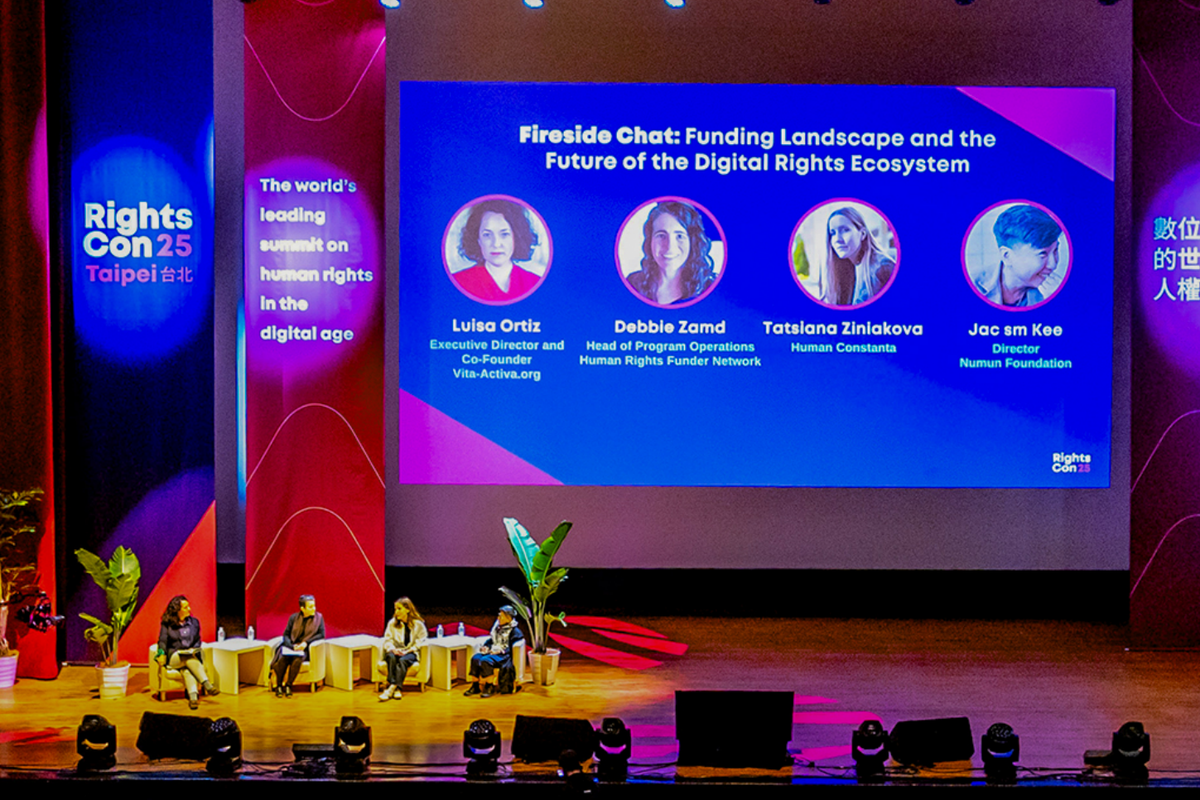
RightsCon was postponed and then canceled, with Access Now saying the conference will not proceed in Zambia or online and advising registered participants not to travel to Lusaka. Zambia’s government said the delay was needed to align with national procedures, diplomatic protocols, and pending administrative and security clearances for some speakers and participants. The news is disruptive for attendees and organizers, but it is unlikely to have meaningful broader market impact.
The immediate economic loss is not the event fee line; it is the destruction of a high-trust convening platform that sits at the intersection of policy, cybersecurity, and NGO fundraising. When a conference like this is pulled at the last minute, the second-order damage falls on the host jurisdiction’s ability to attract future “sensitive” international events, which tends to show up first in higher security-related friction, lower sponsor willingness, and more conservative routing of conferences across the region. That is a reputational tax that compounds over quarters, not days.
The sharper tradeable effect is on the ecosystem around cross-border professional travel rather than the conference industry itself. Airlines, hotels, and local hospitality operators absorb the initial hit, but the bigger medium-term loser is the marginal attendee who now internalizes political clearance risk into future travel decisions; that lowers attendance elasticity for similar events and pushes organizers toward lower-risk geographies. At the same time, this creates a relative winner set: virtual-event platforms, enterprise collaboration software, and vendors selling secure remote participation and digital identity tooling should see a small but persistent tailwind as institutions hedge against venue risk.
The contrarian angle is that the market may overestimate the permanency of the disruption. If the cancellation is quickly reframed as a one-off administrative failure rather than a broader policy shift, the damage to Zambia’s investment brand may fade faster than headline sentiment suggests. The real catalyst to watch over the next 2-6 weeks is whether sponsors, NGOs, and multilateral groups publicly reassign future conferences away from Zambia or instead accept a revised protocol; the former would indicate a durable demand shock, while the latter would make this a transient operational miss.
AI-powered research, real-time alerts, and portfolio analytics for institutional investors.
Request DemoOverall Sentiment
moderately negative
Sentiment Score
-0.35
This is less a tradable macro shock than a micro signal that political optionality now carries a higher premium in global event planning. That argues for leaning into businesses with distributed-work and compliance-resistant models, while fading any assumption that emerging-market conference travel is a mechanically growing niche without political discount rates.
