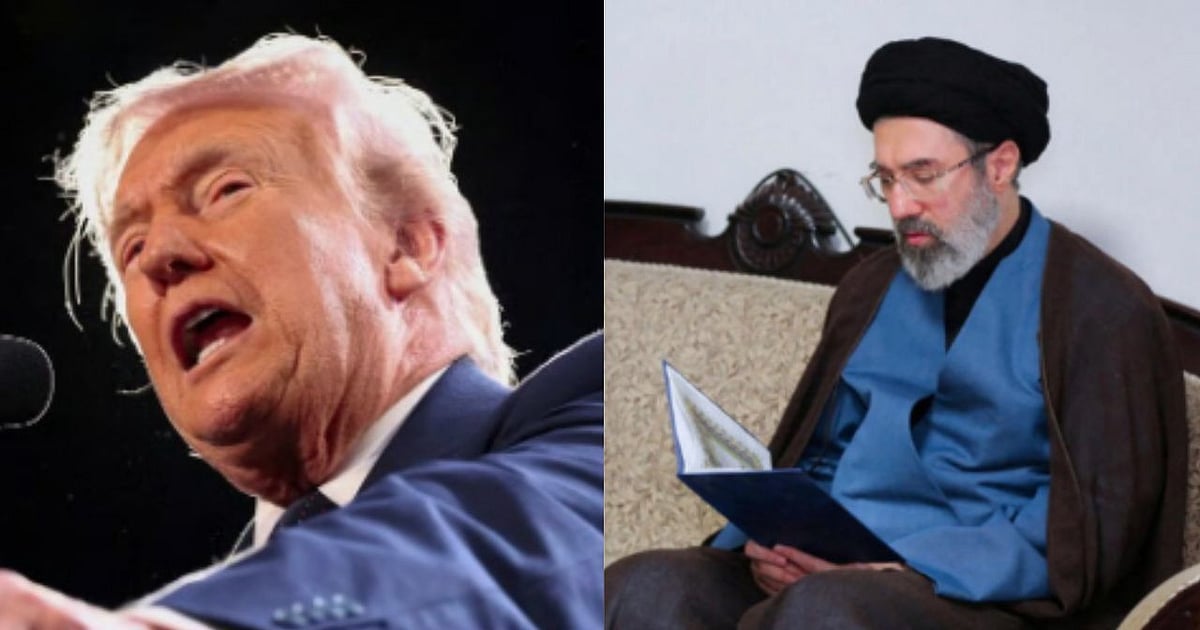
Oil prices briefly rose to their highest levels since 2022 after Iran appointed Mojtaba Khamenei as Supreme Leader, though prices later eased and US stocks rallied. The US-Israel military campaign against Iran has entered about its 10th day, with the IRGC stating 'Iran will determine when the war ends' and President Trump warning Iran against disrupting oil flows through the Strait of Hormuz. A Trump–Putin call and Moscow's proposals for a swift diplomatic resolution were reported, but the situation leaves elevated geopolitical and commodity market risk with potential to move broader markets.
Oil-market sensitivity to Middle East headline risk is asymmetric: even transient disruptions to seaborne flows historically translate into multi-dollar moves in Brent/WTI within days because spare export capacity and available tanker tonnage are both shallow. That dynamic amplifies option-implied volatility, creating a two-way liquidity vacuum where physical tightness begets headline-driven positioning and then a mean-reversion when shipping normalizes.
Second-order price drivers will matter more than headline counts. Rising war-risk premiums in P&I/maritime insurance and higher charter rates mechanically transfer cash to tanker owners and increase delivered crude costs for refiners reliant on seaborne heavy grades; conversely, onshore producers with fast-cycle lift can arbitrage wider spreads but need ~4–12 weeks to materially move export flows. Defense budgets and procurement timetables react on a longer cadence — a short crisis lifts order pipelines for systems integration and munitions within 6–18 months, not days.
From a positioning standpoint, the market is pricing short-duration event risk into energy and defense with crowded directional flows; options markets currently offer cheaper, cleaner ways to express tail exposure than outright carry trades. The key time windows are immediate headline-driven volatility (days–weeks), operational supply rebalancing (weeks–months), and policy/procurement normalization (6–18 months) — trade structure should match these horizons and the asymmetric payoff of geopolitical shocks.
AI-powered research, real-time alerts, and portfolio analytics for institutional investors.
Request DemoOverall Sentiment
neutral
Sentiment Score
0.00
