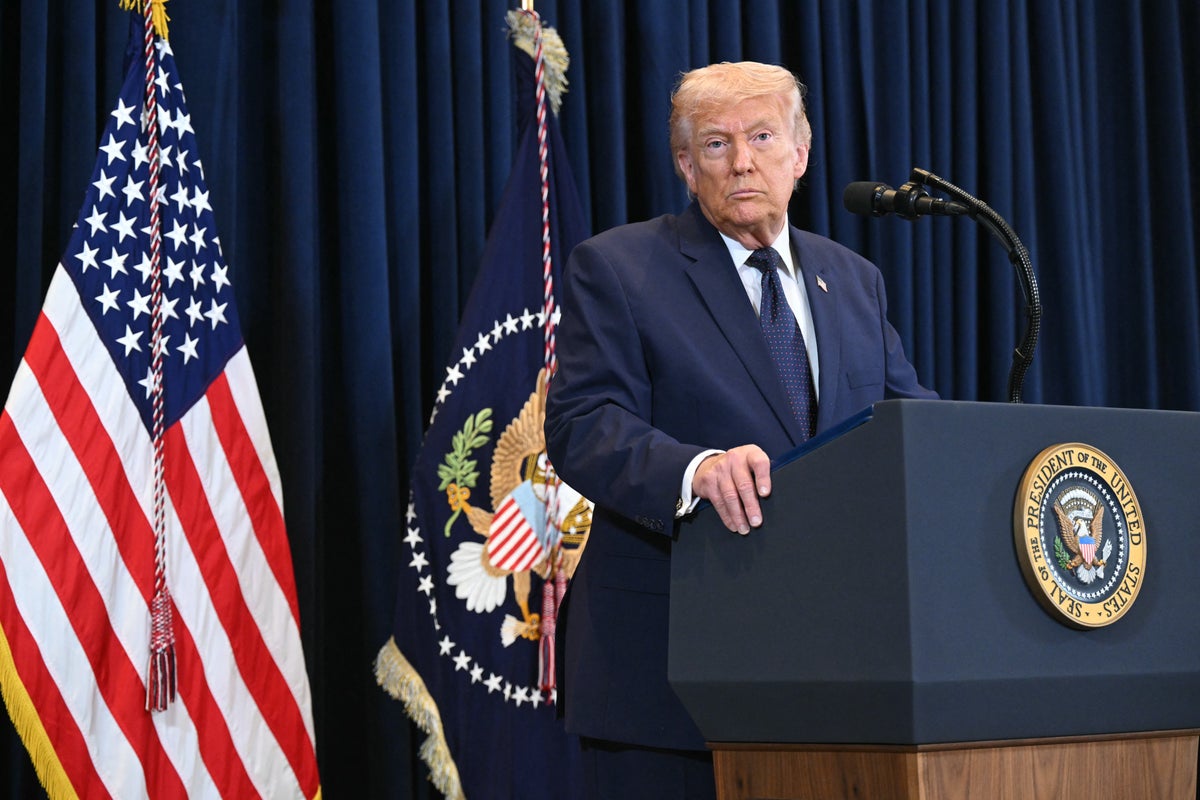
Trump intensified rhetoric on Iran, warning Tehran to "get smart soon" while reports say Washington is preparing for a prolonged blockade rather than immediate escalation or withdrawal. The conflict is estimated to be costing Tehran about $435 million per day, and the World Bank warned energy prices could rise 24% in 2026 if disruptions persist. The article also highlights potential spillovers to the UK economy, where NIESR said the Iran-driven energy shock could wipe £35 billion off GDP even in a best-case scenario.
The market implication is not just higher headline oil; it is a forced repricing of the entire transport and input-cost stack if this evolves into a protracted blockade rather than a short-lived flare-up. The first-order winners are upstream energy, tanker equities, and anything with pricing power over fuel surcharges; the less obvious winners are domestic rail/intermodal operators and select industrials that can pass through logistics inflation faster than truckload and parcel carriers. The losers are the most rate-sensitive, fuel-intensive names and any company with weak working capital discipline, because sustained freight and bunker costs tend to hit margins before consumers fully absorb the shock.
The second-order risk is that this becomes a global liquidity event before it becomes a pure commodity event. A 20%-plus move in energy can flatten consumer discretionary demand, widen credit spreads, and pressure EM FX through higher import bills and weaker current accounts; that would feed back into equities through lower earnings revisions, not just higher inflation prints. The reported effort to sustain pressure instead of escalating militarily is important because it extends the duration of uncertainty, and duration is usually more damaging to cyclicals than the initial price spike.
Consensus is likely underestimating how much of the pain is already embedded in “temporary” assumptions. If the blockade persists for 4-8 weeks, the winners stop being just oil producers and become the balance-sheet survivors in shipping, defense logistics, and midstream, while airlines, parcel, and truckers face a delayed but real earnings reset into the next quarter. The contrarian risk is that the market overprices immediate supply destruction: if diplomacy reopens flows faster than expected, energy beta can unwind violently, so the trade should favor convexity rather than outright chase after the initial gap.
BLBD-specific signal is negligible, but the broader theme argues for watching any exposure to commercial transport capex and fleet replacement decisions, which could get deferred if freight demand softens under sustained fuel inflation. The policy wildcard is the next 1-2 weeks: any credible de-escalation or shipping corridor workaround would likely compress volatility faster than spot crude, making relative-value structures preferable to directional equity longs.
AI-powered research, real-time alerts, and portfolio analytics for institutional investors.
Request DemoOverall Sentiment
strongly negative
Sentiment Score
-0.72
Ticker Sentiment
