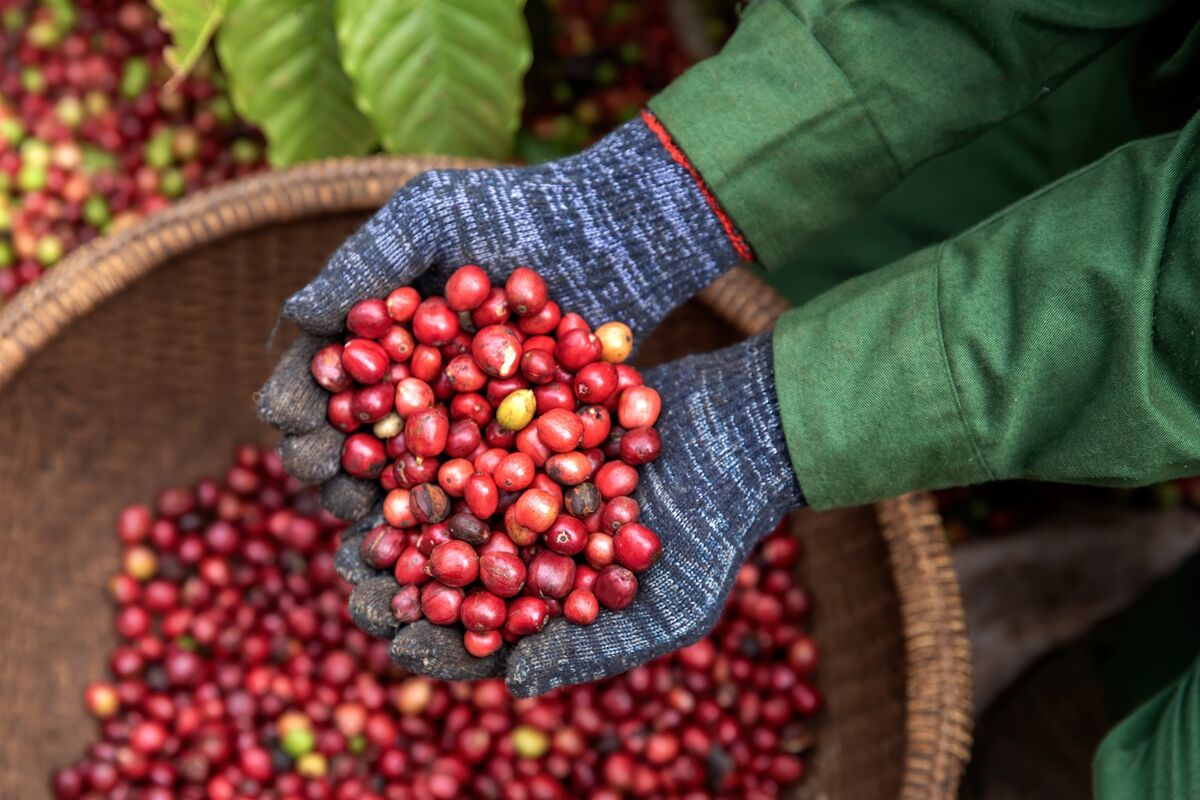
Vietnam's primary coffee-producing province of Dak Lak, a major global supplier, appears to have largely avoided severe damage from Typhoon Kalmaegi, according to initial assessments by the Buon Ma Thuot Coffee Association. This suggests minimal disruption to coffee output, easing concerns about potential supply chain impacts from the storm.
Vietnam's primary coffee-producing province, Dak Lak, appears to have largely avoided severe damage from Typhoon Kalmaegi, according to initial assessments by the Buon Ma Thuot Coffee Association. Chairman Trinh Duc Minh noted that the situation "doesn't appear to be too serious," though full damage reports are still pending. This initial assessment suggests minimal disruption to the region's coffee output.
This positive development is significant given Dak Lak's role as Vietnam's largest coffee-producing region and a major global supplier, particularly of Robusta beans. Minimal disruption here mitigates concerns about potential supply chain impacts on international coffee markets, which often react sharply to weather events in key growing areas.
The "moderately positive" sentiment and "optimistic" tone reflect market relief, suggesting reduced upward pressure on coffee commodity prices due to weather-related supply fears. The market impact score of 0.5 indicates a notable, albeit not extreme, positive shift in outlook for coffee supply stability.
AI-powered research, real-time alerts, and portfolio analytics for institutional investors.
Request DemoOverall Sentiment
moderately positive
Sentiment Score
0.50
