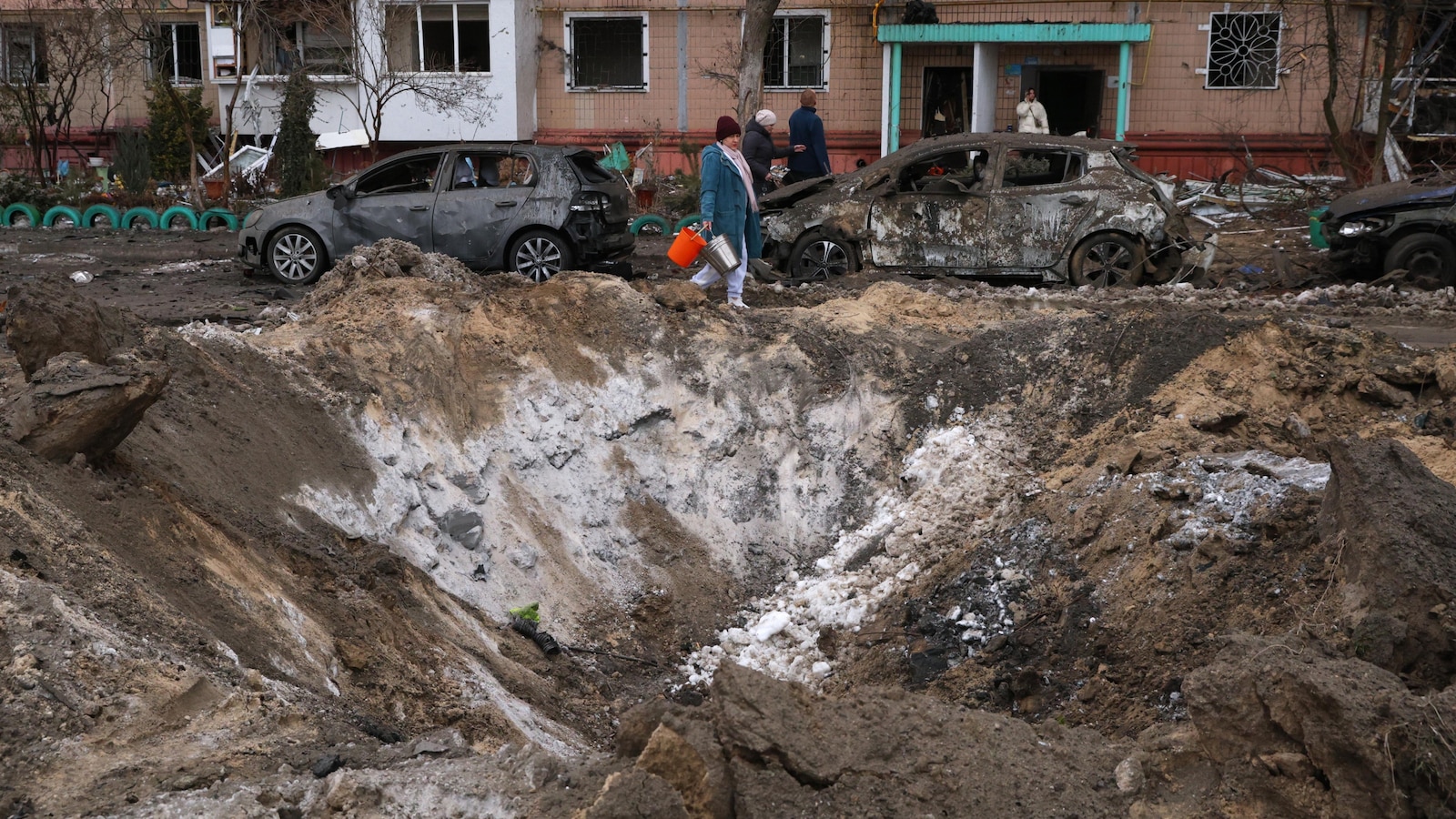
A CSIS report estimates combined Russian and Ukrainian casualties could reach as many as 1.8–2.0 million by spring, with Russia suffering an estimated 1.2 million casualties (including up to 325,000 troop deaths) from Feb 2022 to Dec 2025 and Ukraine 500,000–600,000 casualties (up to 140,000 deaths). The study highlights grinding Russian advances averaging 15–70 meters per day, sustained high operational tempo (Putin claims ~700,000 troops) and renewed strikes and drone exchanges that continue to damage infrastructure, including reported fires at an oil depot — dynamics that sustain regional risk, pressure on defense resources and potential volatility in energy and risk-sensitive markets.
Market structure: A protracted, high-casualty conflict implies sustained Western and allied procurement (incremental defense spending likely to rise low double-digits across EU/NATO in 12–24 months) and persistent premium on energy security. Immediate winners are large defense primes (missiles, air defense, electronic warfare) and LNG/oil exporters; losers include regional travel, Ukrainian credit, Russian non-energy corporates and European industrials with high energy intensity. Cross-asset: expect safe-haven inflows (USTs, gold GLD), wider EM/EU credit spreads, ruble and hryvnia volatility, and higher oil/gas realized volatility for 3–12 months.
Risk assessment: Tail risks include NATO escalation (low single-digit probability but >$20/bbl oil shock if realized), broad energy embargoes, or large-scale sanctions that disrupt semiconductor supply to Western defense firms (could impair production). Time horizons: days—spikes in volatility and localized asset moves; weeks–months—procurement announcements, sanctions cycles and budget reallocations; years—structural reallocation to defense and energy security. Hidden dependencies: drone/microchip supply chains, freight/logistics chokepoints and domestic Russian stability that could suddenly compress or free flows.
Trade implications: Tactical trades should exploit volatility (short-term oil and gold directional optionality) and medium-term re-rating of defense names; prefer 6–12 month call spreads on blue‑chip primes (RTX, LMT) and targeted long positions in high-margin ISR/drone specialists (KTOS, AVAV) while hedging equity beta with puts on travel/airline exposures. Rotate away from European heavy industry and tourism into energy midstream (Cheniere LNG LNG) and defense suppliers; use CDS or credit puts for Ukraine-exposed sovereigns/banks as hedges.
Contrarian angles: Consensus underweights the probability of a negotiated freeze within 6–12 months that would compress defense multiple upside—defense equities are already partially priced for persistent high demand. Conversely, energy prices may be over-hedged by markets; a partial ceasefire or a benign winter could drop WTI >$15 from stress peaks. Historical parallel: sustained attrition (Korean War type stalemate) leads to permanent defense budget increases but volatile returns for cyclical suppliers—favor high-margin, low-foreign-supply-risk names.
AI-powered research, real-time alerts, and portfolio analytics for institutional investors.
Request DemoOverall Sentiment
strongly negative
Sentiment Score
-0.70
