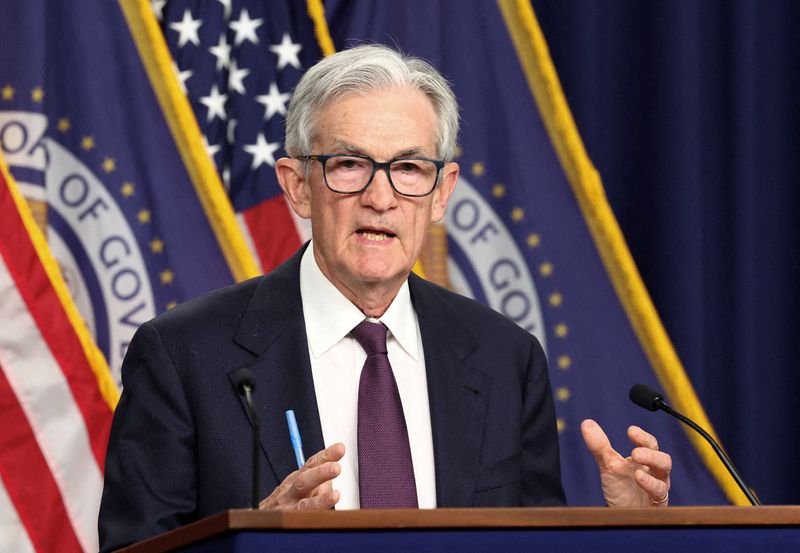
The Fed appointed Jerome Powell as chair pro tempore after his formal term expired, preserving leadership continuity until Kevin Warsh is sworn in. The decision was not unanimous, with governors Stephen Miran and Michelle Bowman dissenting, highlighting internal division over the transition. Powell is also retaining his Fed governor seat through January 2028, adding legal and governance uncertainty around the central bank's policy direction.
The market is not pricing a clean policy transition; it is pricing a governance conflict that can persist for months and leak into the rates term structure. A divided board with a chair-designate waiting in the wings raises the odds of messaging noise, inconsistent reaction functions, and a higher policy-premium embedded in front-end rates and rate-sensitive equities. That is bearish for duration-heavy assets in the near term, but the larger second-order effect is a volatility regime shift: when central-bank credibility becomes a political variable, the market typically demands more compensation for holding long bonds and levered balance sheets.
The immediate beneficiaries are not just banks, but any business with floating-rate assets or repricing power that benefits from a steeper or more chaotic curve. Regional banks, insurers, and value/cyclical sectors should outperform long-duration growth if policy uncertainty keeps real yields elevated and the market leans toward a more growth-friendly successor. Conversely, gold and silver are being forced to reconcile two competing impulses: lower policy confidence is normally supportive, but the violent deleveraging move suggests the metal complex is now trading more like a crowded macro expression than a pure debasement hedge.
The key risk is that this becomes a fast unwind rather than a slow trend. If the new chair is installed cleanly and communicates continuity, the market can re-price the scenario in days, not months, causing a sharp relief rally in duration and a squeeze in defensive shorts. If the internal dissent spills into staffing, regulatory enforcement, or the balance-sheet runoff debate, the repricing can last into Q1 and favor curve-steepeners over outright directional bond shorts.
The contrarian takeaway is that the best trade may be relative, not absolute. The market is likely over-discounting chaos in the first 2-6 weeks while underestimating how quickly a new chair can restore directional clarity, even if the policy mix is somewhat more growth-friendly. That makes this a cleaner expression for pairs and options than for large unhedged macro positions.
AI-powered research, real-time alerts, and portfolio analytics for institutional investors.
Request DemoOverall Sentiment
mildly negative
Sentiment Score
-0.15
