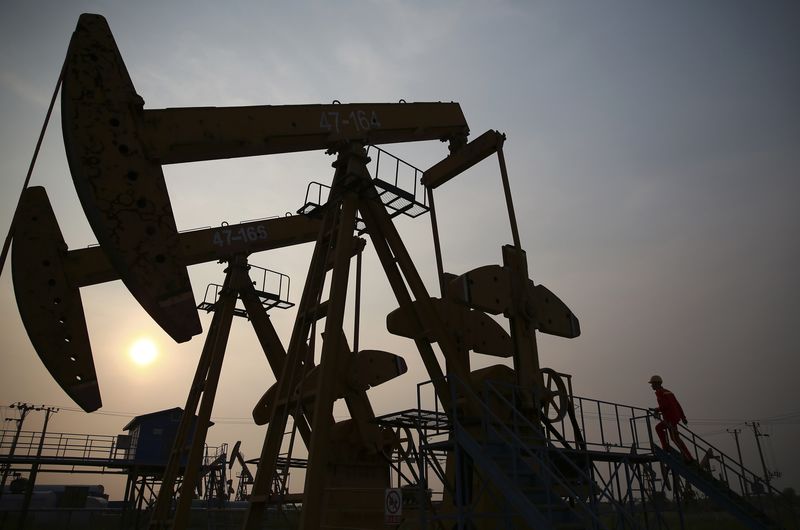
Bank of America says a 10% oil price shock now lifts U.S. inflation by about 25 bps versus 90 bps in the 1970s, while the growth drag has fallen to roughly 5 bps from more than 70 bps. The bank argues the U.S. is far less oil-dependent today thanks to lower energy intensity and the shale boom, which made the country a net energy exporter. Even if Middle East tensions escalate, BofA считает a repeat of 1970s-style stagflation unlikely.
The market is likely underpricing how much an oil shock has shifted from a macro event to a relative-value event. If the U.S. is structurally less energy-sensitive, the first-order hit to headline inflation and growth is smaller, but that does not mean no spillover: the pain concentrates in energy-intensive sectors, transport, chemicals, and small-cap cyclicals while the broader index can absorb it. That argues for dispersion trades rather than a simple “risk-off” beta short. For banks, the cleaner read is not lower loan losses but a delayed rate-cut narrative. A modest energy spike that does not re-ignite core inflation can still push the front end to stay higher for longer, which is mildly positive for NII but negative for credit-sensitive borrowers and duration-heavy equity styles. The more interesting second-order effect is that lower macro sensitivity gives policymakers cover to downplay energy-driven inflation, reducing the odds of a broad policy response unless spreads or growth data deteriorate. The consensus is likely too complacent on the international transmission channel. Even if U.S. CPI barely moves, Europe and Asia are far more exposed to imported energy costs, so the relative-growth gap can widen and feed into FX, freight, and global industrial demand. That makes the trade less about owning U.S. oil beta and more about shorting the downstream losers and non-U.S. cyclicals with weaker balance sheets. The key tail risk is a duration event: if blockade rhetoric morphs into a sustained disruption, the market could move from “manageable inflation bump” to a liquidity shock via higher shipping insurance, wider credit spreads, and EM stress within days to weeks. The reversal catalyst is either a rapid diplomatic de-escalation or credible alternate supply routing; absent that, the biggest mistake would be assuming low U.S. oil intensity fully neutralizes a supply shock.
AI-powered research, real-time alerts, and portfolio analytics for institutional investors.
Overall Sentiment
neutral
Sentiment Score
0.05
Ticker Sentiment
