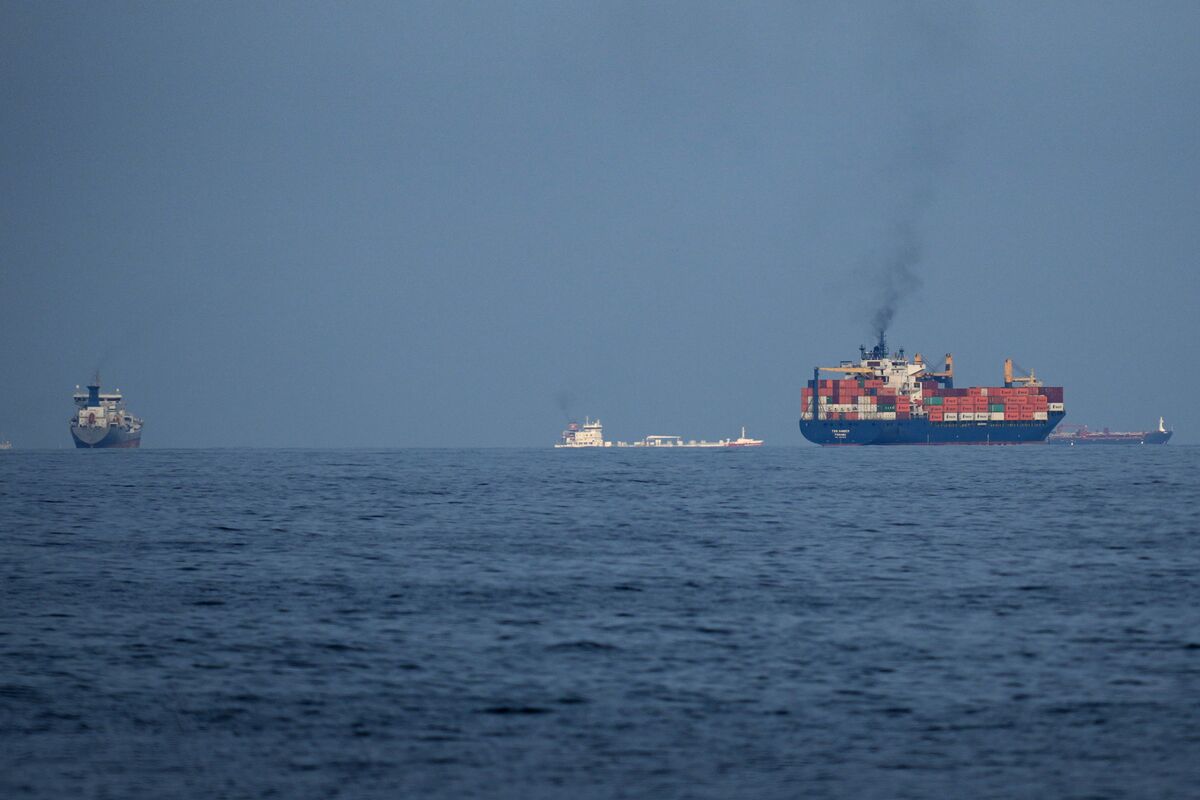
The US and Iran are considering another round of peace talks as a two-week ceasefire nears expiry on April 7, while Washington presses a naval blockade on Iranian ports to curb oil exports. Iran is weighing a short-term pause in shipments through the Strait of Hormuz, a key chokepoint for global crude flows, which could heighten oil-market and shipping volatility. Fighting has largely paused, but continued conflict in Lebanon adds to regional geopolitical risk.
The market’s first-order read is higher geopolitical risk premia, but the more durable effect is on logistics optionality: if maritime pressure persists, the bottleneck shifts from outright supply loss to route distortion, insurance, and working-capital drag. That tends to benefit assets with price-setting power or substitute transport capacity while hurting refiners and industrials that rely on just-in-time feedstock flows. The key second-order effect is that even a short interruption in Hormuz shipping can create a multi-week dislocation in freight, crude differentials, and product spreads that outlasts the headline ceasefire window.
The diplomatic angle matters because a pause in shipments would be a signal of leverage rather than all-out escalation, which caps the upside in energy once the market believes exports can be normalized after talks. In that scenario, front-end crude can spike on headline risk while the curve may stay relatively contained if traders think the disruption is temporary. The real vulnerability is in companies with low inventory buffers and exposure to imported energy or marine logistics costs; they can see margin pressure before the energy tape fully reprices.
The market is likely underpricing the asymmetric downside in tail-risk assets if talks fail: blockade rhetoric plus a maritime incident could quickly broaden into sanctions enforcement, shipping exclusions, and higher defense spending expectations. Conversely, if negotiations restart in Pakistan and produce even a symbolic de-escalation, the risk premium can unwind fast because the current setup is mostly event-risk, not a confirmed supply shock. That makes timing critical: this is a days-to-weeks volatility trade more than a months-long structural bull case for crude.
Contrarian read: consensus may be too focused on oil up / risk off, and not enough on how a negotiated pause could re-rate non-energy equities with large fuel input costs. The best asymmetry is not chasing outright longs in crude after the initial spike, but buying volatility where the market is most complacent about event resolution and shipping disruption duration.
AI-powered research, real-time alerts, and portfolio analytics for institutional investors.
Request TrialOverall Sentiment
moderately negative
Sentiment Score
-0.35
