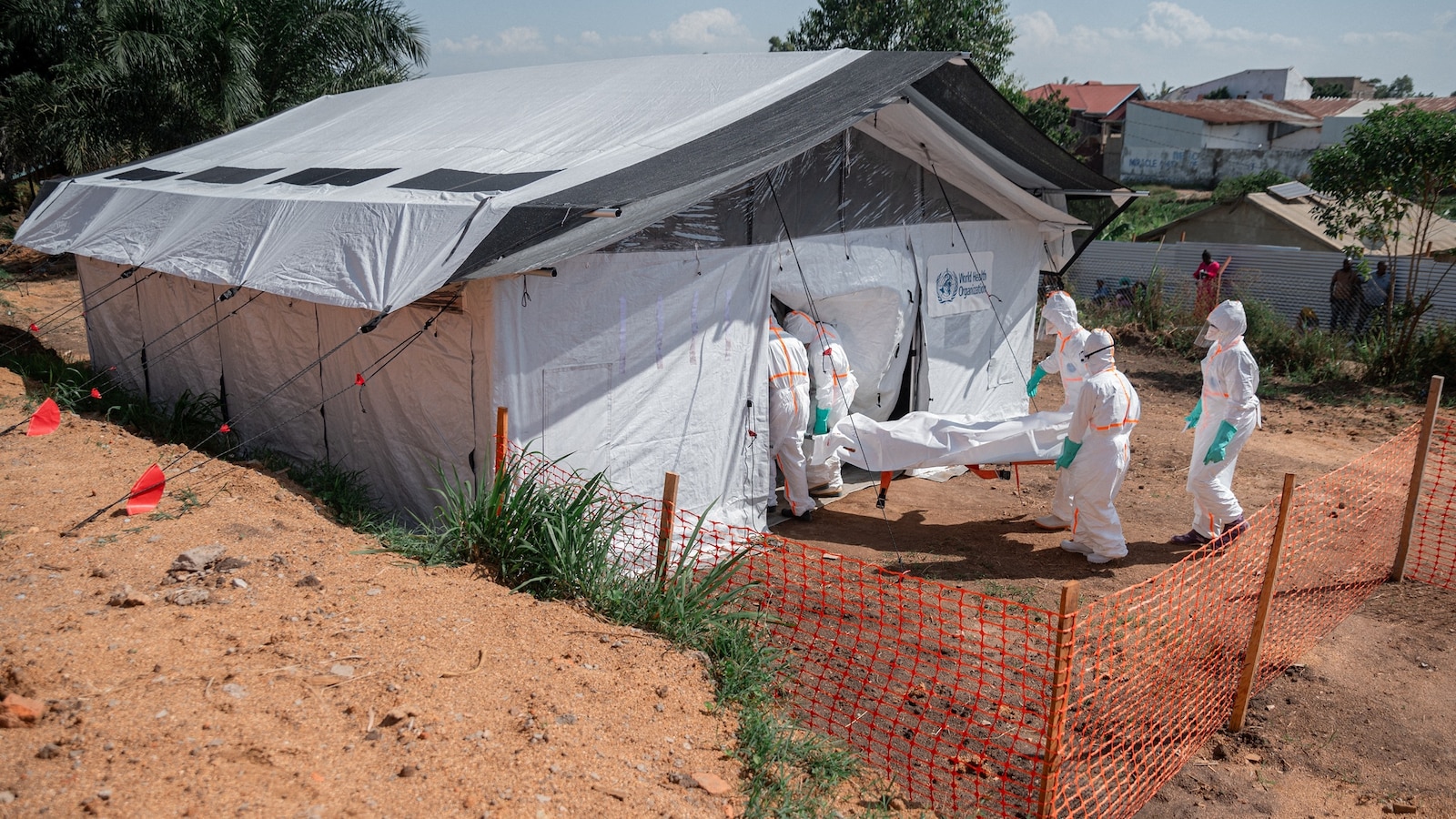
The DRC reported a record 72 new Ebola cases in one day, lifting total infections to 782 and deaths to 181 since the outbreak began one month ago. Spread has widened to 31 health zones, while contact tracing remains weak at 56.5% versus a 90%-95% containment target. The outbreak is also crossing into Uganda, which has 19 confirmed cases and two deaths, adding to regional health and humanitarian risk.
The market read-through is not a broad EM selloff; it is a localized shock that primarily hits logistics, border trade, and near-term sentiment around eastern DRC/Uganda rather than national beta. The bigger second-order effect is operational: once contact tracing falls materially below containment thresholds, outbreak duration tends to extend nonlinearly, which raises the probability of intermittent corridor disruptions, school closures, workforce absences, and checkpoint frictions that can impair mining and transport routes in the east. That matters more for regional physical flow risk than for direct healthcare spend, because supply-chain uncertainty can persist for months even if headline case growth later slows.
The most underappreciated beneficiary is the small cluster of suppliers tied to outbreak response infrastructure: diagnostics, cold chain, PPE, ambulatory logistics, and NGO-funded field operations. The funding signal from the US also matters because outbreak response budgets often arrive in waves and can create a multi-quarter demand tail for vaccine development, biosecurity, and field testing vendors even after media attention fades. Conversely, local hospitals, telecoms, consumer distribution, and insurers with Eastern Africa exposure face a higher odds-of-disruption tail, but the larger public-market effect should show up in names with direct regional revenue concentration rather than global multinationals.
The contrarian view is that the risk may be overstated for developed-market healthcare equities and understated for frontier-market cyclicals. Historically, the equity market overprices immediate epidemic headlines and underprices the lag from surveillance failure to containment, meaning the real trade is not an impulsive risk-off bet but a duration bet on whether response capacity improves within 4-8 weeks. If follow-up rates do not inflect soon, the next catalyst is not more case counts alone but broader cross-border restrictions and donor escalation, which would widen the economic drag across the Great Lakes region.
From a trade construction standpoint, I would favor a tactical long in broad biotech/diagnostics versus a short basket of East Africa-sensitive transport/logistics names if liquid instruments are available, because the asymmetry is in response spending rather than pandemic severity. The optimal entry is on any relief rally after the next headline dip: the containment thesis is fragile, so fades in implied volatility should be sold rather than bought. If outbreak metrics improve sharply, the trade should monetize quickly; if not, the position benefits from a slow-burn repricing of regional disruption risk over the next 1-3 months.
AI-powered research, real-time alerts, and portfolio analytics for institutional investors.
Request DemoOverall Sentiment
strongly negative
Sentiment Score
-0.80
