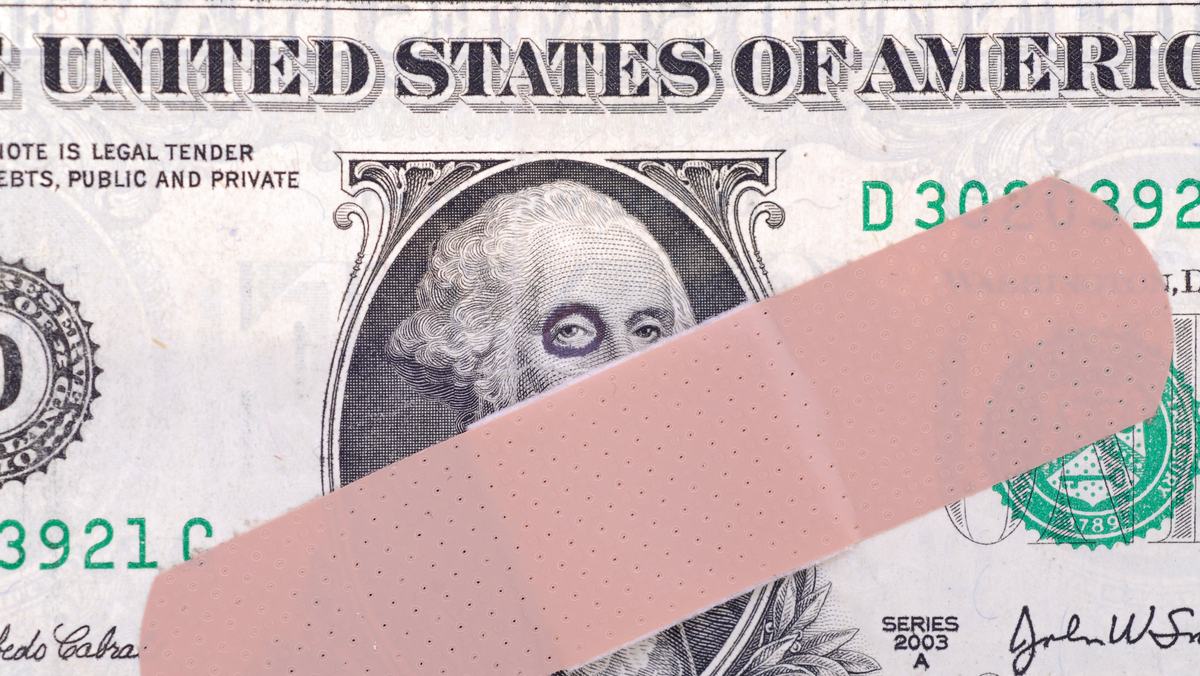
The article highlights several balance transfer credit cards offering 0% intro APRs for 18 to 21 months, with annual fees of $0 and transfer fees generally ranging from 3% to 5%. The strongest offers include BankAmericard, Wells Fargo Reflect, Citi Diamond Preferred, Chase Slate, and Discover it Chrome, with the Discover card also adding 1% to 2% cashback rewards. The piece is mainly consumer-facing guidance rather than market-moving news, but it underscores persistent high borrowing costs near 21% and demand for debt-relief products.
This is a quiet but meaningful demand signal for unsecured consumer credit repricing: issuers are still willing to subsidize balances for roughly 18-21 months, which implies they are prioritizing acquisition and cross-sell over near-term spread capture. The economic winner is not just the card issuer that wins the transfer, but the one that can convert a distressed revolver into a lower-attrition, multi-product household before the promo window rolls off. That favors large-bank ecosystems with deposit, mortgage, and wealth hooks more than pure-play card economics.
The second-order effect is negative for lenders exposed to revolving credit stress. If consumers are using balance transfers aggressively, it suggests the effective all-in cost of carry is still high enough to force behavior changes, but not yet high enough to cause full deleveraging; that usually delays, rather than eliminates, charge-off risk. Over the next 3-9 months, the key variable is whether transfer volume remains contained to creditworthy households or broadens into marginal borrowers, which would be a warning sign for delinquency normalization in the broader consumer tape.
For BAC and WFC, the offers are strategically defensive: they can monetize their balance-sheet strength and underwriting breadth while competitors lose balances to promo arbitrage. JPM is less directly levered, but benefits if card competition stays rational and consumer balance-sheet stress remains orderly. TGT is largely a bystander here, but if households are allocating more cash flow to debt service, discretionary retail baskets remain vulnerable even if nominal sales hold up for another quarter.
The contrarian take: the market may be too focused on the surface-level consumer relief story and underpricing the expiration cliff. These promos create a 12-21 month lagged reset point; when that cohort rolls off, the credit quality of the transferred balance book will matter far more than current utilization trends. If macro rates stay elevated, the real trade is not the promo window itself, but the refi/rollover risk embedded one year out.
AI-powered research, real-time alerts, and portfolio analytics for institutional investors.
Request DemoOverall Sentiment
mildly positive
Sentiment Score
0.15
Ticker Sentiment
