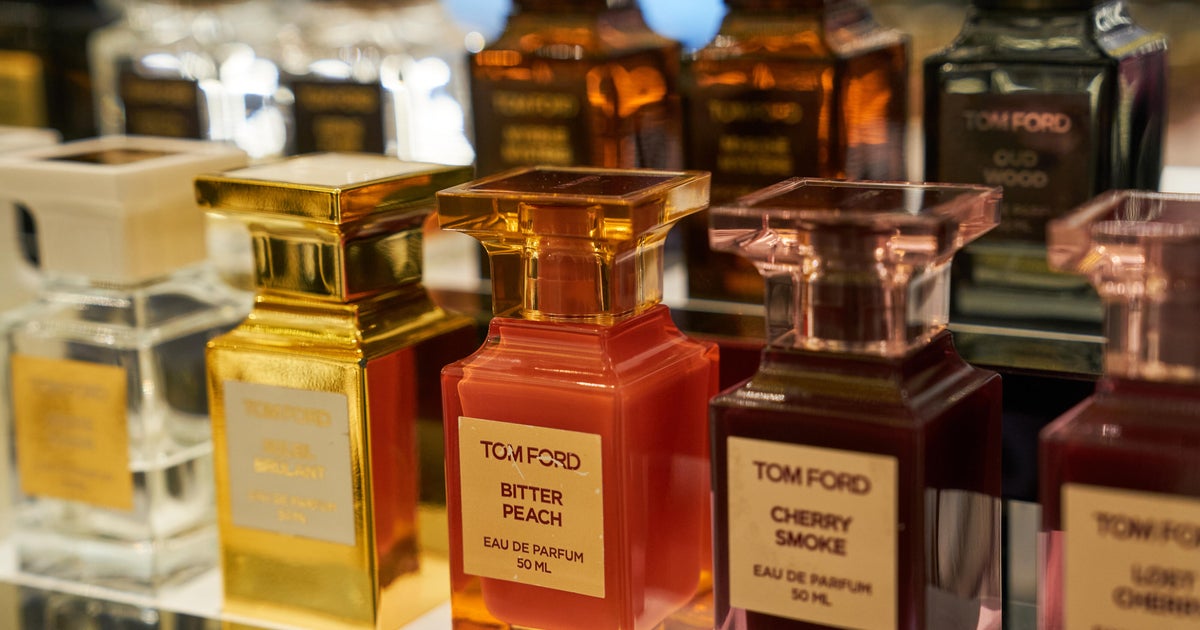
Estée Lauder filed a federal lawsuit alleging Walmart sold counterfeit versions of products from its brands (Aveda, Clinique, La Mer, Le Labo, Tom Ford) on Walmart.com, saying purchased samples tested by Lauder did not originate from the company. The complaint includes side-by-side comparisons (e.g., a Walmart perfume labeled “Intense Peach” vs. Tom Ford’s “Bitter Peach”), accuses Walmart of awareness and insufficient vetting of online sellers, and seeks monetary damages and injunctive relief to stop sales. The case raises reputational and legal risk for Walmart’s marketplace model and could prompt closer investor scrutiny of platform controls and potential liability exposure, though immediate material financial impact appears limited absent disclosure of damages or settlement magnitude.
Market structure: The immediate winners are Estée Lauder (EL) and premium beauty brands (La Mer, Tom Ford) that can tighten control over distribution; losers are Walmart (WMT) and third‑party marketplace sellers whose e‑commerce margins and trust metrics face pressure. Pricing power shifts modestly toward brand owners if courts/agreements force delisting of counterfeit SKUs — expect a near‑term premium of 2–5% on authentic luxury SKUs and a small erosion of WMT online conversion rates if search results lose trust. Supply/demand: this signals weak controls on marketplace inventory rather than genuine product scarcity; genuine producers may reallocate inventory to branded channels. Cross‑asset: expect tiny moves in WMT credit spreads (watch +5–10bps), slight rise in implied volatility on WMT options (up 10–30% intraday on news), and negligible FX/commodity impact.
AI-powered research, real-time alerts, and portfolio analytics for institutional investors.
Overall Sentiment
mildly negative
Sentiment Score
-0.30
Ticker Sentiment
