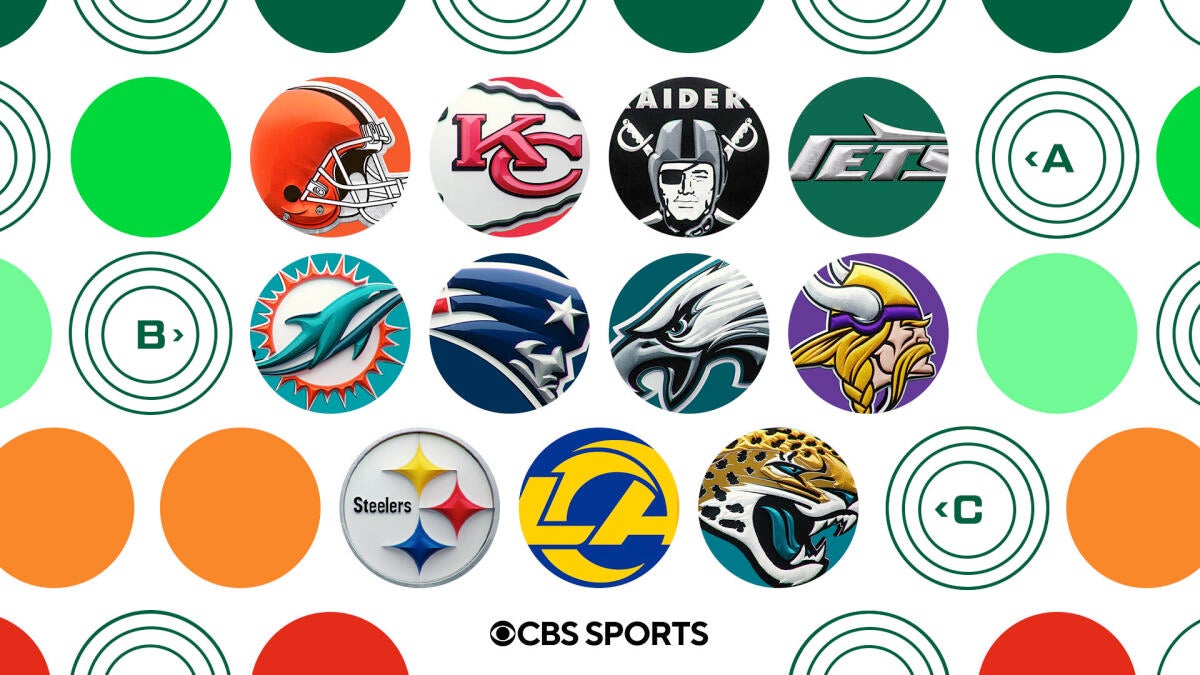
The article is a team-by-team evaluation of the 2026 NFL Draft, with the Browns, Chiefs, Raiders and Jets earning A+ classes and the Rams, Steelers, 49ers and Jaguars drawing more skepticism. It is largely qualitative commentary rather than hard market-moving news, but it highlights which teams added the most value through the draft and where roster-building questions remain. The overall tone is positive toward most classes, with only modest concerns for a few clubs.
The market takeaway is not “who drafted well” in the abstract, but which franchises reduced near-term roster fragility enough to change 2026 win-probability curves. The strongest classes concentrated premium capital in impact positions with immediate snap-share paths: pass rush, secondary, left/right tackle, and early-down offensive efficiency. That matters because these rosters are often one injury away from collapsing on either third-down defense or pass protection, so the marginal value of a plus starter at those spots is disproportionately high in the first 12 months.
A second-order effect is that several teams effectively built future optionality rather than solving one-year problems. Clubs that added multiple defenders with versatility create fungibility across sub-packages, which lowers replacement costs and should reduce veteran dependence by midseason. On offense, the teams that added WR/TE/OL depth are really betting on quarterback stabilization; if the young QB or bridge starter is merely average, these classes become force multipliers, but if the QB play is shaky, the ceiling is still capped.
The biggest underappreciated signal is how many teams drafted for fit over pure measurables. That usually improves hit rates in Year 1, but it also increases the risk of consensus overvaluation if the league is collectively rewarding the same archetypes. In other words, this draft likely improves floor more than ceiling for most clubs — good for regular-season volatility, less certain for true championship separation.
Contrarian angle: the consensus is probably overrating the immediate boost to teams that invested heavily in skill talent without solving quarterback or interior protection. Those classes can look great in August and still disappoint by November if pressure rates and explosive-play conversion do not improve. The best opportunities are to fade teams whose draft grades imply upside but whose roster construction still leaves one failure point intact.
AI-powered research, real-time alerts, and portfolio analytics for institutional investors.
Request DemoOverall Sentiment
mildly positive
Sentiment Score
0.20
