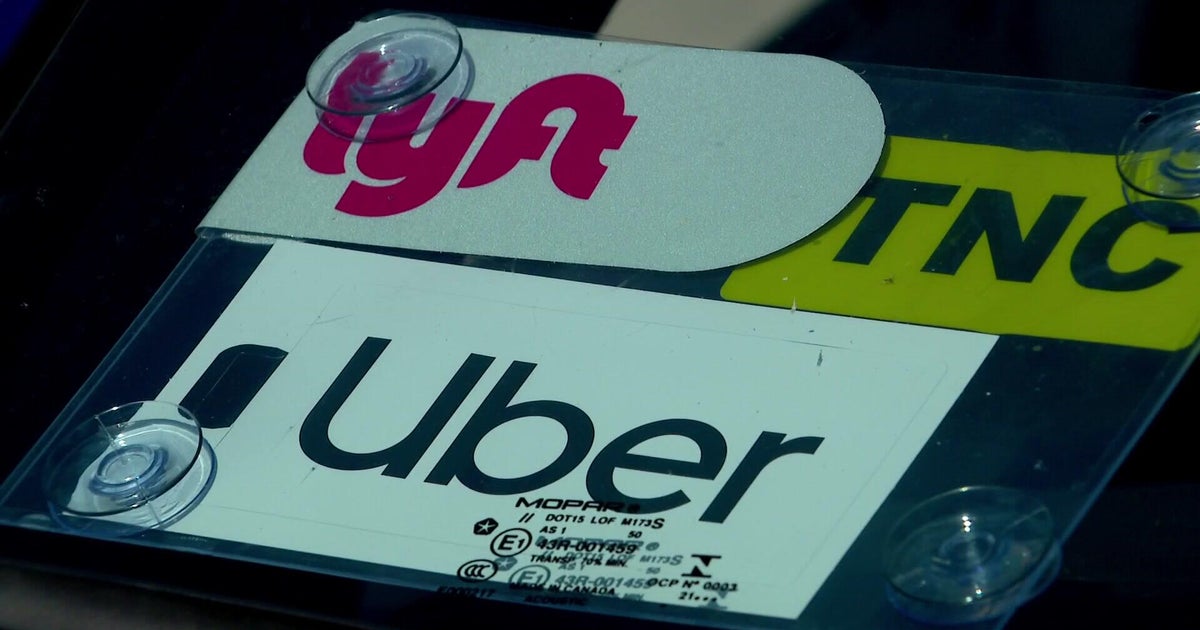
Massachusetts certified the App Drivers Union, making roughly 70,000 rideshare drivers in the state eligible to unionize after voters approved the measure 18 months ago. The move is likely to raise labor costs for Uber and Lyft through higher pay, lower platform margins, or potentially higher fares, though the companies emphasized continued driver flexibility. Organizers now plan to seek negotiations on a first contract.
This is less a near-term earnings event than a structural shift in bargaining power that raises the probability of labor-cost pass-through over the next 2-4 quarters. The key second-order effect is not just higher pay, but reduced operating leverage: even a modest increase in driver compensation forces the platforms to choose between lower take rates, lower incentives, or higher consumer prices, all of which pressure growth quality. In a market where both names still trade partly on the narrative of expanding contribution margins, the unionization precedent weakens the argument that gig labor can remain an infinitely flexible variable cost.
UBER is more exposed than LYFT on absolute dollars because of scale, but LYFT may be more fragile on margin sensitivity because it has less room to absorb incremental cost without sacrificing demand. The more interesting read-through is to adjacent categories: if Boston/California-style labor organization spreads, asset-light delivery and gig logistics models could face the same compensation floor pressure, which would re-rate the broader labor-arbitrage complex. Counterintuitively, the first-order headline may be positive for drivers, but the equity winners may be firms with actual supply control or proprietary logistics density rather than pure marketplace intermediaries.
The main catalyst path is gradual, not overnight: certification creates a process, not a settlement, so the stock impact should come in waves around negotiation milestones, public wage proposals, and any city/state copycat efforts over the next 6-12 months. Tail risk is that management responds by tightening incentives or throttling supply, which can preserve margins but hurts trip availability and utilization, potentially triggering a weaker growth narrative into year-end. The consensus may be underestimating how quickly one successful union can embolden regulators in other states, turning a localized labor issue into a multi-market pricing ceiling.
AI-powered research, real-time alerts, and portfolio analytics for institutional investors.
Request DemoOverall Sentiment
mildly positive
Sentiment Score
0.15
Ticker Sentiment
