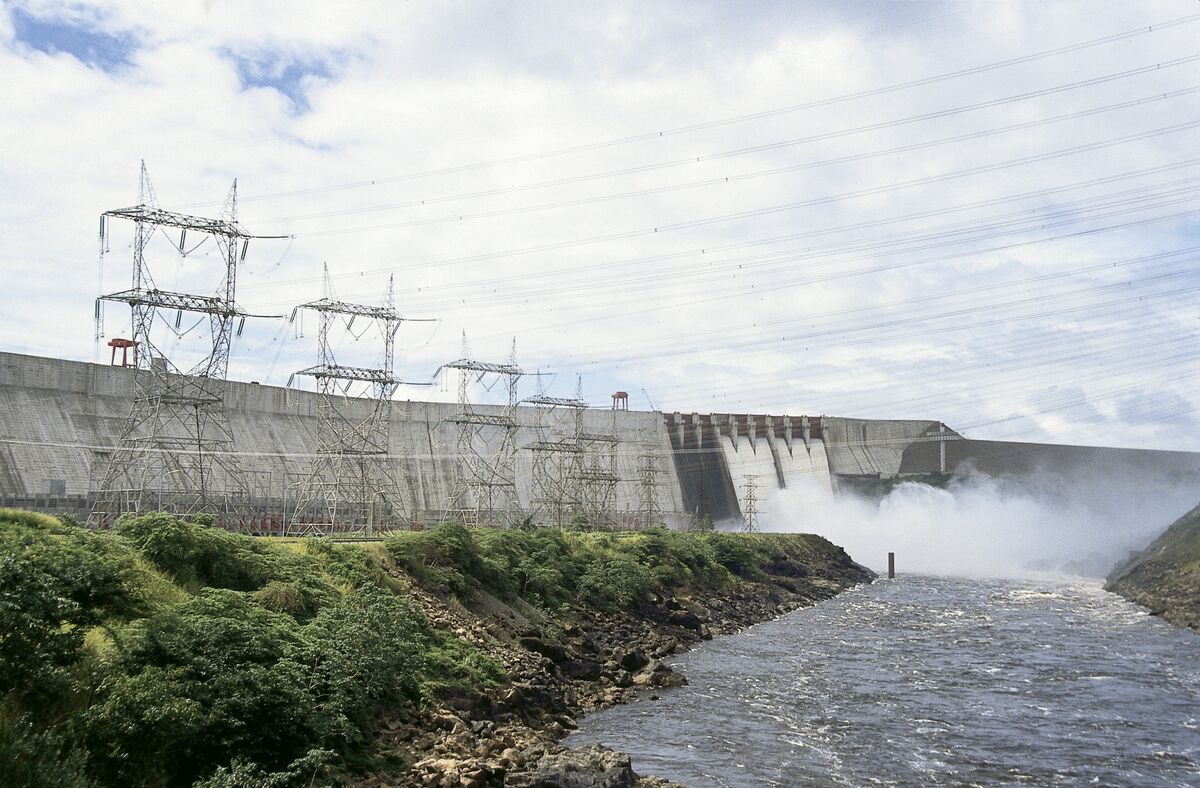
Venezuela signed an agreement with Argentina’s Impsa to help complete the long-stalled Tocoma hydroelectric plant and advance work on the national electric system. The deal is intended to add 2,640 megawatts to the country’s grid, a meaningful boost to Venezuela’s deteriorating power infrastructure. The news is constructive for the project and the broader electricity system, though immediate market impact is likely limited.
This is less an isolated project headline than a marginal signal that Caracas is trying to convert a political opening into tangible utility restoration. The key second-order effect is not the hydro asset itself, but the implied need for imported equipment, engineering services, switchgear, turbines, control systems, and grid stabilization components — areas where regional industrial suppliers and select European/Latin American vendors could see incremental orders long before any megawatt is delivered. If execution improves even modestly, the upside is primarily in reduced outage severity, which matters for industrial utilization, mining uptime, and local inflation rather than for near-term sovereign cash flow.
The market should be skeptical on timing: large dam and grid rehabilitation projects in Venezuela typically have a long lag between announcement and usable capacity, with meaningful risk of funding gaps, sanctions frictions, procurement delays, and leakages in the contractor chain. That means the first tradable impact is more likely in sentiment and vendor headlines over the next few weeks; the real macro effect, if any, is months to years out. In the meantime, the more investable angle is that any credible grid improvement lowers the probability of extreme power disruptions that have historically forced emergency fuel imports and pressured regional energy logistics.
Contrarian take: the consensus may overestimate the near-term impact on power availability and underestimate the signaling value to counterparties. A contract like this can be read as a soft re-entry mechanism for Venezuelan infrastructure spending, which may create optionality for non-U.S.-sanction-constrained industrial suppliers and Latin American project developers. The market should also watch for a follow-on effect in sovereign optics — even small execution wins can be used to attract additional bilateral financing, making this more about unlocking future capex than about adding 2,640 MW in the near term.
AI-powered research, real-time alerts, and portfolio analytics for institutional investors.
Request DemoOverall Sentiment
mildly positive
Sentiment Score
0.25
