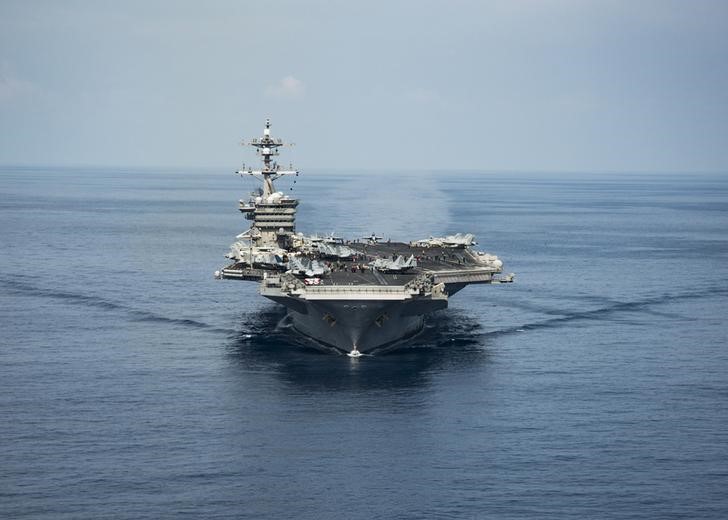
Trump said the U.S. Navy is acting "like pirates" while seizing Iranian ships and cargo under a naval blockade, escalating tensions in the U.S.-Israeli conflict with Iran. The dual blockades of Iranian ports and the Strait of Hormuz are disrupting maritime trade and helping push global oil prices higher, with the Strait handling about 20% of global oil and LNG shipments. The situation increases geopolitical risk for energy, shipping, and broader risk assets.
This is a broad negative shock to physical trade, but the bigger market implication is not just higher energy—it is a forced repricing of shipping reliability and sanctions enforcement risk. When state action starts monetizing interdictions, counterparties respond by demanding a much higher war-risk premium across tanker, LNG, and container routes, which can tighten effective transport supply even if headline vessel counts do not fall immediately. That creates a lagged inflation impulse over 1-3 months: first freight and insurance, then delivered goods, then working-capital stress for importers with thin inventory buffers.
The second-order winners are the infrastructure of enforcement and substitution. Defense logistics, satellite surveillance, maritime ISR, and electronic monitoring vendors benefit from a multi-quarter procurement tail, while non-U.S. carriers and port operators tied to Gulf and Red Sea routing face margin compression from rerouting, delays, and higher bunker costs. Energy is a more nuanced call: upstream names with low lifting costs gain from price spikes, but refiners and airlines are the more asymmetric losers because crack spreads and jet fuel expenses can deteriorate faster than crude-linked hedges reset.
The key risk is that the market overestimates duration. If the blockade narrative softens, there is a violent mean reversion in freight and insurance, and the most levered long trade in shipping can unwind within days. The more durable thesis is on supply-chain redundancy: companies with domestic sourcing, inventory slack, or freight pass-through clauses should outperform over 1-2 quarters, while firms dependent on Asian Gulf transshipment may see earnings revisions before revenue headlines change.
Contrarianly, the consensus may be too focused on oil beta and not enough on margin dispersion. In past geopolitical spikes, the biggest equity alpha often came from identifying who can reprice faster versus who is stuck with fixed-price contracts and just-in-time logistics. That argues for relative-value trades rather than blunt index exposure, because the macro shock is real but the winners will be concentrated in enablers of security, logistics control, and domestic substitution.
AI-powered research, real-time alerts, and portfolio analytics for institutional investors.
Request DemoOverall Sentiment
strongly negative
Sentiment Score
-0.55
Ticker Sentiment
