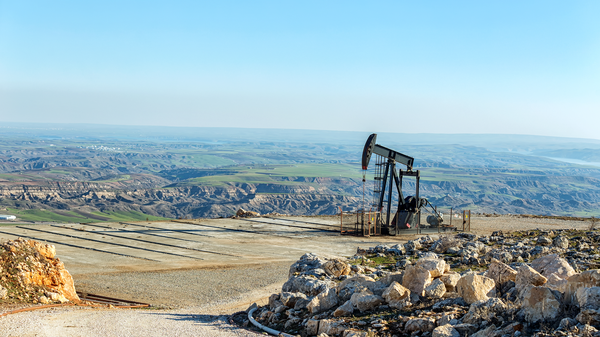
The article warns that the Iran-related disruption and Strait of Hormuz closure have lifted global gasoline, jet fuel, LNG, fertilizer, and helium prices, with some regions already rationing. It argues that the shock raises inflation and slowdown risks and could leave future energy security premiums higher, even after transit normalizes. Longer-term responses emphasized include diversification, strategic reserves, EVs, renewables, and reduced dependence on vulnerable petroleum and LNG supply chains.
The market is still pricing this as a commodity shock, but the more durable second-order effect is a repricing of policy and corporate discount rates for energy reliability. That matters because the disruption is broadening from a spot-price event into a balance-sheet and margin event: higher input costs, working-capital drag, and inventory losses will cascade through transport, chemicals, fertilizer, industrial gases, and power-intensive manufacturing over the next 1-3 quarters. The biggest earnings risk is not just higher fuel expense; it is demand destruction from pass-through lags in regions where consumers cannot absorb the shock.
The more interesting opportunity is in relative value across energy-transition beneficiaries. Higher gasoline and LNG volatility increases the economic case for EV adoption, battery storage, efficiency, and decentralized power, but the winners should be firms with domestic supply chains and short payback periods. By contrast, anything dependent on imported capital equipment from geopolitically exposed supply chains may not deserve a full rerating because its “security premium” is now embedded in capex, not opex; that should compress project IRRs and slow deployment even if policy support remains intact.
Consensus is likely underestimating how quickly governments can shift from rhetoric to intervention. If prices stay elevated for several weeks, expect emergency SPR, subsidy, or demand-rationing measures in large importers, which would cap the upside in upstream commodities but worsen margins for downstream refiners, airlines, and chemicals. The more durable risk is that a new, higher perceived probability of future supply shocks keeps term premia elevated for months, supporting energy equities while simultaneously raising the hurdle rate for all long-duration growth assets tied to cheap power and transport.
AI-powered research, real-time alerts, and portfolio analytics for institutional investors.
Request TrialOverall Sentiment
strongly negative
Sentiment Score
-0.55
