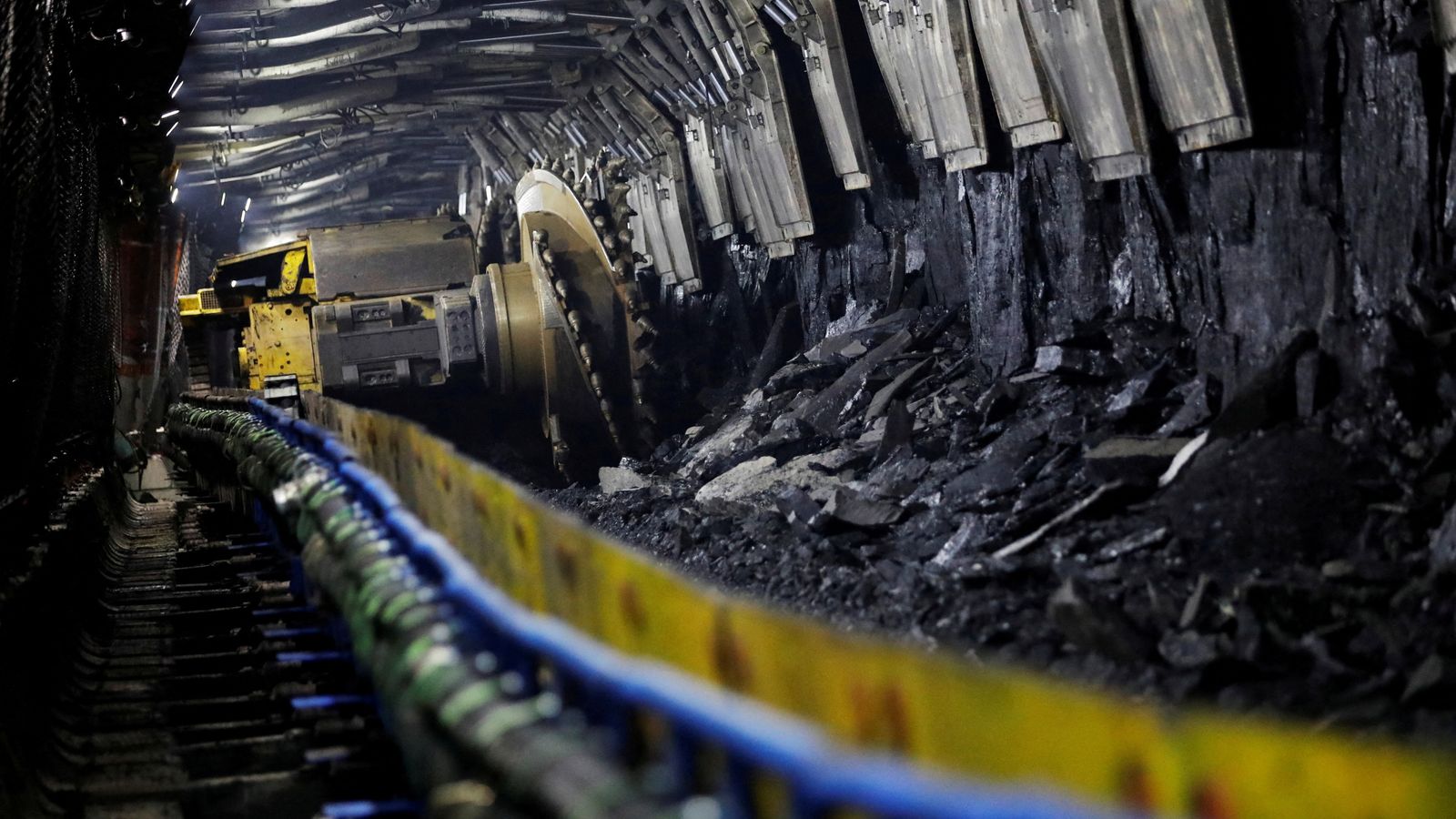
At least four people were killed and 90 remain trapped after a coal mine accident in Changzhi City, northern China, with 247 workers reportedly underground at the time. Carbon monoxide levels exceeded safe limits and 16 trapped workers are said to be in critical condition as rescue efforts continue. The incident is a severe human and operational shock for the mine, though its direct market impact is likely limited unless broader safety or production disruptions emerge.
This is a near-term supply shock to China’s thermal coal complex, but the first-order market reaction should be less about the mine itself and more about the policy response it triggers. In these incidents, the bigger second-order effect is usually a temporary tightening of inspections, ventilation rules, and provincial production quotas across nearby mines, which can reduce output for days to weeks even if the physical damage is localized. That matters because China’s domestic coal market is still the swing factor for Asian seaborne pricing when inventories are not exceptionally high.
The immediate beneficiaries are higher-quality seaborne exporters and logistics players with clean compliance records, because any Chinese domestic output interruption pushes marginal demand outward into imported thermal coal. The losers are steel and power generators with poor fuel flexibility: if China’s domestic supply is disrupted and authorities lean into safety enforcement, utilities may be forced into short-term procurement at higher spot prices, while lower-tier miners face a reputational and regulatory overhang. ESG-sensitive capital will also likely reprice Chinese coal names on the margin, not from this one event alone but from the probability that it accelerates already-tightening scrutiny.
The key risk is that the market underestimates how quickly a tragedy can become a policy event in China. Over days, the impact is mainly sentiment-driven; over weeks, it can translate into materially lower mined output if inspections broaden; over months, it can support a higher floor for thermal coal and reinforce capital discipline in non-China miners. The contrarian angle is that the absolute supply loss from one accident is likely too small to justify chasing commodity beta immediately unless official commentary points to a broader crackdown or additional incidents in the same basin.
For a cleaner expression, the best trade is relative value rather than outright commodity longs: import-sensitive utilities and cement/industrial power users versus global coal exporters, with the thesis that local Chinese supply friction lifts seaborne pricing without requiring a macro growth rebound. If rescue efforts worsen or inspections widen, the trade can work for 2-6 weeks; if authorities quickly contain the event and normalize output, the move should fade fast.
AI-powered research, real-time alerts, and portfolio analytics for institutional investors.
Request DemoOverall Sentiment
extremely negative
Sentiment Score
-0.85
