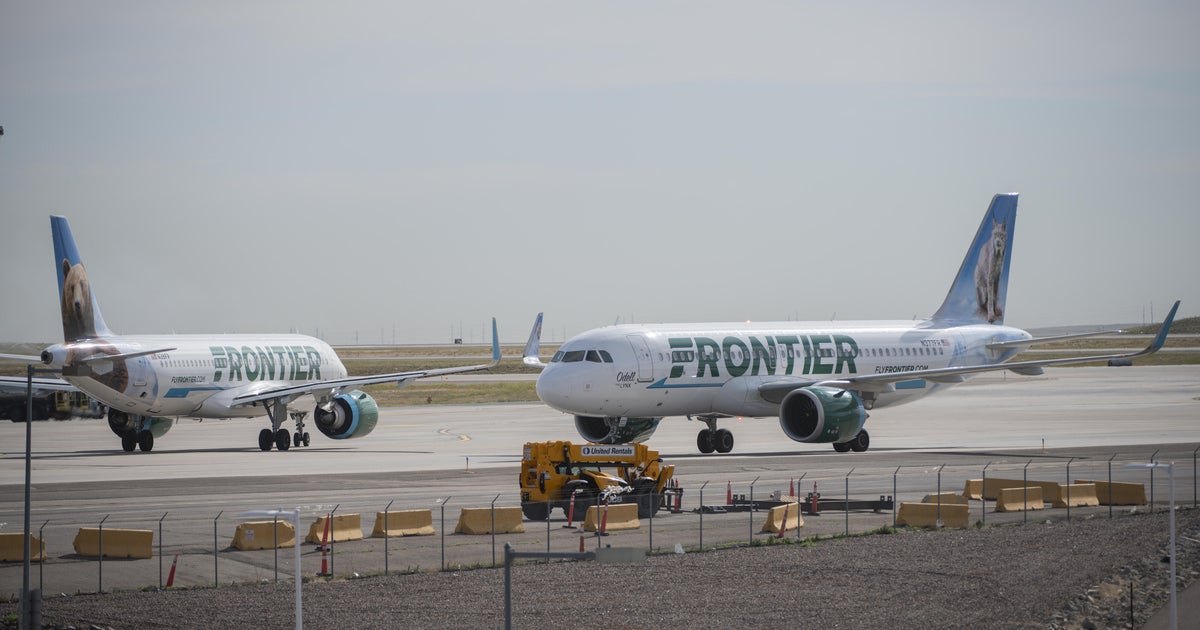
A Frontier Airlines Airbus A321 carrying 224 passengers and 7 crew struck a pedestrian on the runway in Denver during takeoff preparations for Los Angeles, forcing an aborted departure and emergency evacuation. Denver Fire Department responded to a brief engine fire, no injuries were reported among passengers or crew, and the incident remains under investigation by Frontier and the NTSB. The runway was closed pending the investigation, and the flight was rescheduled for later Saturday morning.
This is an acute idiosyncratic shock to ULCC, but the market should think beyond the headline: the first-order cost is not the incident itself, it is the operational drag from an aircraft-out-of-service event layered on top of a high-scrutiny carrier model. Low-cost airlines are structurally more exposed to even short-lived disruptions because they have less schedule slack, thinner customer goodwill, and a larger share of price-sensitive demand that is easiest to defect when confidence wobbles. The near-term earnings hit is likely modest in dollar terms, but the reputational penalty can widen unit revenue dispersion versus peers for several weeks if the carrier has to lean on discounts to refill loads.
The bigger second-order risk is regulatory and legal optionality: any investigation that broadens from an isolated runway/security failure into procedural lapses can create a multi-month overhang via fines, litigation, insurance friction, and tighter operating protocols. For a low-fare model, even small increases in turnaround time or maintenance buffers can impair utilization and cascade into lower ASM efficiency. Competitively, this is a relative gift to larger network and premium leisure carriers that can capture displaced demand without having to cut as aggressively; the benefit should show up first in the domestic leisure bucket rather than in headline market share.
Consensus will likely overestimate the probability of permanent damage to the franchise but underestimate how long this kind of event suppresses booking intent in the next 2-6 weeks. The stock reaction should be driven more by incremental evidence of booking softness, schedule disruption, and any comment from regulators than by the incident itself. If management contains the narrative and there is no finding of systemic fault, the selloff can mean-revert quickly; if not, this becomes a classic slow-burn litigation overhang rather than a one-day headline trade.
AI-powered research, real-time alerts, and portfolio analytics for institutional investors.
Request DemoOverall Sentiment
moderately negative
Sentiment Score
-0.35
Ticker Sentiment
